
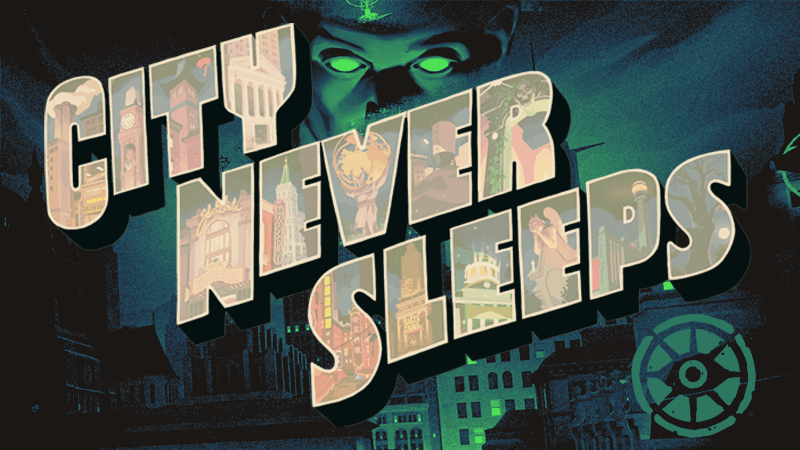
Valve's Deadlock City Never Sleeps update brings six new heroes, a major Cursed Apple map overhaul, The Broker, HUD and shop changes, and a wider live test for returning players.
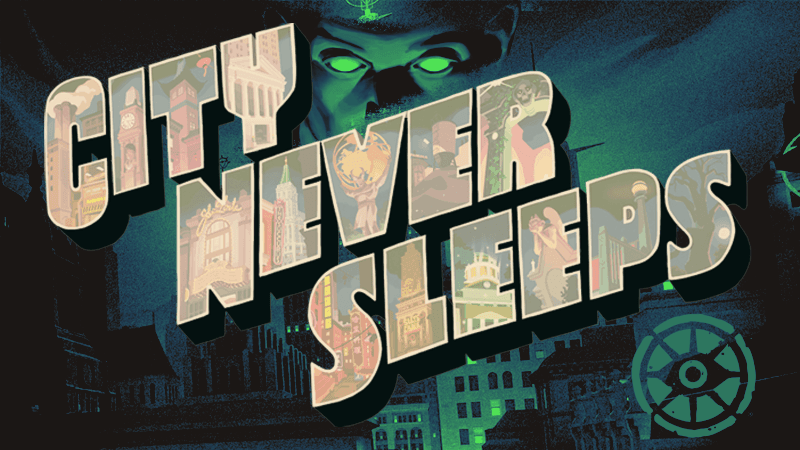
Image: resetera.com
Deadlock’s biggest live test is now about the whole match
Valve has pushed Deadlock’s City Never Sleeps update into the public playtest, and the headline change is big enough to reset a lot of returning players’ muscle memory: six new heroes are entering the pipeline, while The Cursed Apple map has been rebuilt with new districts, updated neutrals, presentation changes, HUD work, shop improvements, accessibility additions, and broader technical fixes.
HappyGamer reports that Valve announced the Deadlock City Never Sleeps update in a Steam post on Tuesday, September 29. G2A, citing Valve’s official City Never Sleeps page, says the update went live on September 29, 2026. Shane the Gamer lists it as live on September 30, likely reflecting local timing or publication timing rather than a different patch. The confirmed throughline is clear across the sources: this is not a small balance pass. It is a game-wide stress test of map flow, hero rollout, item decisions, readability, and player feedback while Deadlock remains unfinished.
That unfinished status matters. HappyGamer quotes Valve’s Steam note saying Deadlock is still unfinished and that building a multiplayer game is “very hard and risky.” Valve’s stated answer is to keep the game in players’ hands early so feedback can shape what is fun and what needs work. For a shooter-MOBA hybrid, that means the City Never Sleeps update is testing the parts players feel every fight: rotations, sightlines, neutral control, shop timing, HUD clarity, and whether new heroes distort the pace of a match.
Six new heroes are coming, but the rollout is controlled by players
The Deadlock six heroes addition is the most obvious draw, but the sources agree on an important detail: all six are not simply dropping into live play at once. DualShockers reports that Valve has added the new heroes to the next Hero Vote, with players deciding the release order. According to DualShockers, each game played earns one vote through the Hideout, while wins reward two votes.
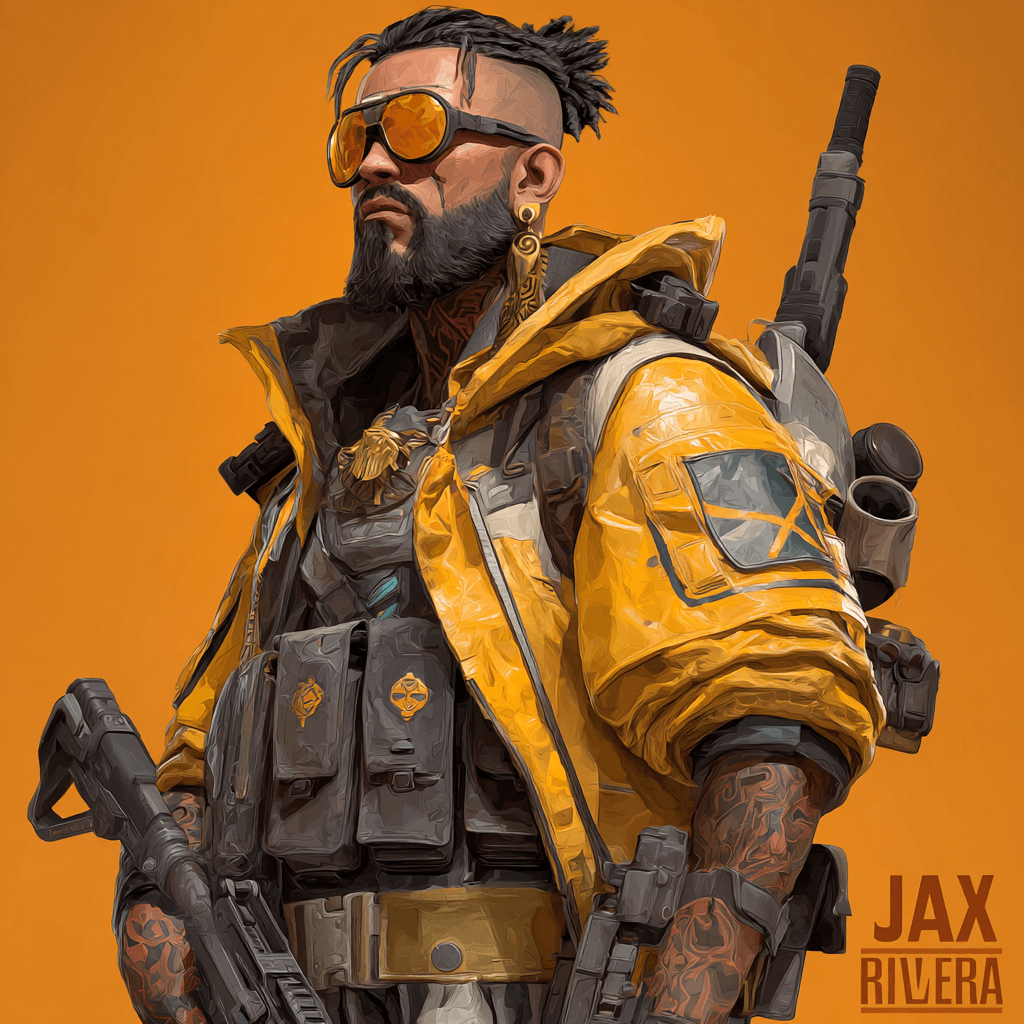
Shane the Gamer adds the clearest rollout detail from the provided material, reporting that the heroes arrive two per week starting October 2 and that community favorite Rat King is among them. The excerpts provided do not name all six heroes, so the confirmed reporting here should stop at the number, the voting structure, the start date cited by Shane the Gamer, and Rat King’s inclusion. Anything beyond that would need Valve’s full City Never Sleeps hero page or in-game listings.
For returning players, the voting system is the key competitive wrinkle. A full six-hero dump would create chaos in every lane and teamfight immediately. Valve’s staged approach still shakes up the meta, but it gives the community time to focus its testing. If one hero becomes the obvious vote winner, that character becomes the next live balance problem. If votes split, Valve gets a read on which kits players are most curious about before those heroes hit standard queues at scale.
DualShockers also reports a Ranked gate: players need 15 wins in Standard games with a hero before using that hero in Ranked matches. That is a practical safeguard for a patch this large. It does not guarantee clean ranked games, but it should slow the immediate flood of first-time hero picks in higher-stakes matches.
The Cursed Apple has been rebuilt for readability, rotations, and pressure
The Deadlock map overhaul may be the bigger change for serious players. The Game Haus describes City Never Sleeps as a massive overhaul to New York City, with changes to the map, neutral enemies, and overall match feel. DualShockers reports that the reworked map now has four distinct districts and a complete visual overhaul, with district changes affecting buff design, neutral monster camps, and the look of each draw. G2A similarly reports four expanded districts, new neutral enemies, new map activities, and a major visual and gameplay overhaul of The Cursed Apple.
Valve’s own Steam phrasing, quoted by HappyGamer, sets the tone: “The Cursed Apple is ever changing, and these streets are nothing like you remember.” That is marketing copy, but the reported changes behind it are concrete. Returning players should expect altered pathing reads, different neutral timing habits, and more visual information to relearn.
In a game like Deadlock, map changes hit harder than stat tuning because the shooter layer depends on space. A small lane adjustment can change peek timing. A neutral camp redesign can change when a solo player risks farming off-lane. A district with clearer landmarks can improve callouts, while a busier visual pass can make target tracking harder if readability is not tuned well. None of the provided sources give frame-level performance data or competitive heatmaps, so the safe judgment is this: the map refresh is a live test of pacing and clarity, not merely an art refresh.
The Broker and Corrupted Items add a temporary economy spike
City Never Sleeps also introduces The Broker and Corrupted Items, according to The Game Haus and G2A. Shane the Gamer reports that The Broker is a limited-time merchant trading in corrupted items until the first new hero arrives. G2A says The Broker is deliberately temporary and will disappear as the new hero rollout begins.
That temporary status is important because it separates a short-term experiment from a permanent economy rework. Corrupted Items can create high-variance decision points if they change risk, reward, or build timing, but the provided excerpts do not list the item effects. What can be confirmed is that Valve is using the update window to test a merchant and item layer alongside the map and hero pipeline.
For returning players, the practical advice is simple: do not treat early City Never Sleeps builds as solved. If The Broker is temporary, early item routes may be patch-window tech rather than the new baseline. The better use of the first few days is to learn where the merchant fits into rotations, how often players divert for corrupted purchases, and whether those detours expose teams to pressure around neutrals or lanes.
HUD, shop, communication, and accessibility changes target the friction around fights
The update reaches into the interface too. HappyGamer reports that Valve’s Steam post mentions HUD updates, quality-of-life additions, and accessibility options. G2A’s breakdown goes further, listing redesigned health bars and HUD, a rebuilt shop, expanded communication tools, thousands of new voice lines, new settings and keybind work, spectator tools, and accessibility additions. The Game Haus also points to major HUD and shop improvements, accessibility additions, expanded Sandbox tools, and more.
For a returning player, this is the part of the Valve Deadlock update that may feel subtle for five minutes and then decisive in a close fight. Health bar readability affects target priority. Shop speed affects how cleanly players convert souls into power between waves and objectives. Communication tools affect solo queue coordination, especially when a map overhaul has everyone relearning district names, camp routes, and pressure points.
The sources do not provide a full accessibility list in the excerpts. HappyGamer specifically notes that Valve did not spell out those options in the Steam announcement it covered. That leaves an unanswered question for players who need particular settings. The confirmed takeaway is that accessibility is part of the patch scope, but the exact options should be checked in-game or on Valve’s full City Never Sleeps page before assuming a specific feature is present.
Deadlock is still PC-only, invite-limited, and officially unreleased
The update’s scale can make Deadlock look like a launched live-service game, but the public status has not changed in the provided reporting. HappyGamer says the Steam page lists the release date as “To be announced” and Windows as the only platform. Shane the Gamer reports that Deadlock is still in early development on PC through Steam, with access limited to invites from existing playtesters.
That creates the central tension around City Never Sleeps. Valve is running a patch with the weight of a seasonal relaunch while the game is still officially unreleased. The upside is fast feedback on core systems before launch commitments harden. The risk is that players returning after months away may judge an unfinished build by live-service standards, especially if the six new heroes, map refresh, and item experiments produce balance spikes.
The Game Haus frames the patch as ending a 250-day drought for major Deadlock content. Whether that exact gap matters to every player or not, it helps explain the size of the swing. Valve appears to be bundling several parallel tracks into one major test: roster expansion, map identity, neutral gameplay, item experimentation, interface clarity, accessibility, Sandbox improvements, and technical work. G2A also reports broad Source 2, performance, anti-cheat, and networking improvements, although the excerpt does not provide specific metrics.
Returning players should relearn the map before chasing the meta
If you are coming back for the Deadlock new heroes, expect the roster to be the loudest part of the conversation. The smarter first step is to treat City Never Sleeps like a fresh map test. Spend time learning the four districts, updated neutral camps, shop flow, and HUD changes before assuming old routes and fight timings still apply.
The hero vote also means the meta will move in stages. One new character release can warp drafts and lane assignments. Two per week, as Shane the Gamer reports, keeps that pressure coming. The 15-win Ranked requirement reported by DualShockers should slow first-pick chaos in Ranked, but Standard games will be the testing ground, and that is where players should expect the roughest experiments.
The Deadlock City Never Sleeps update looks like Valve’s biggest live test yet because it changes match structure rather than a single balance layer. Six heroes create new matchup questions. The map overhaul changes how players reach those matchups. The Broker and Corrupted Items test temporary economy pressure. HUD, shop, communication, accessibility, Sandbox, and technical changes all affect how readable and stable the game feels while those experiments collide. For a shooter lead’s read: this patch is about pacing and information as much as content. The winners in the first week will be the players who learn the streets again before trying to solve the scoreboard.