
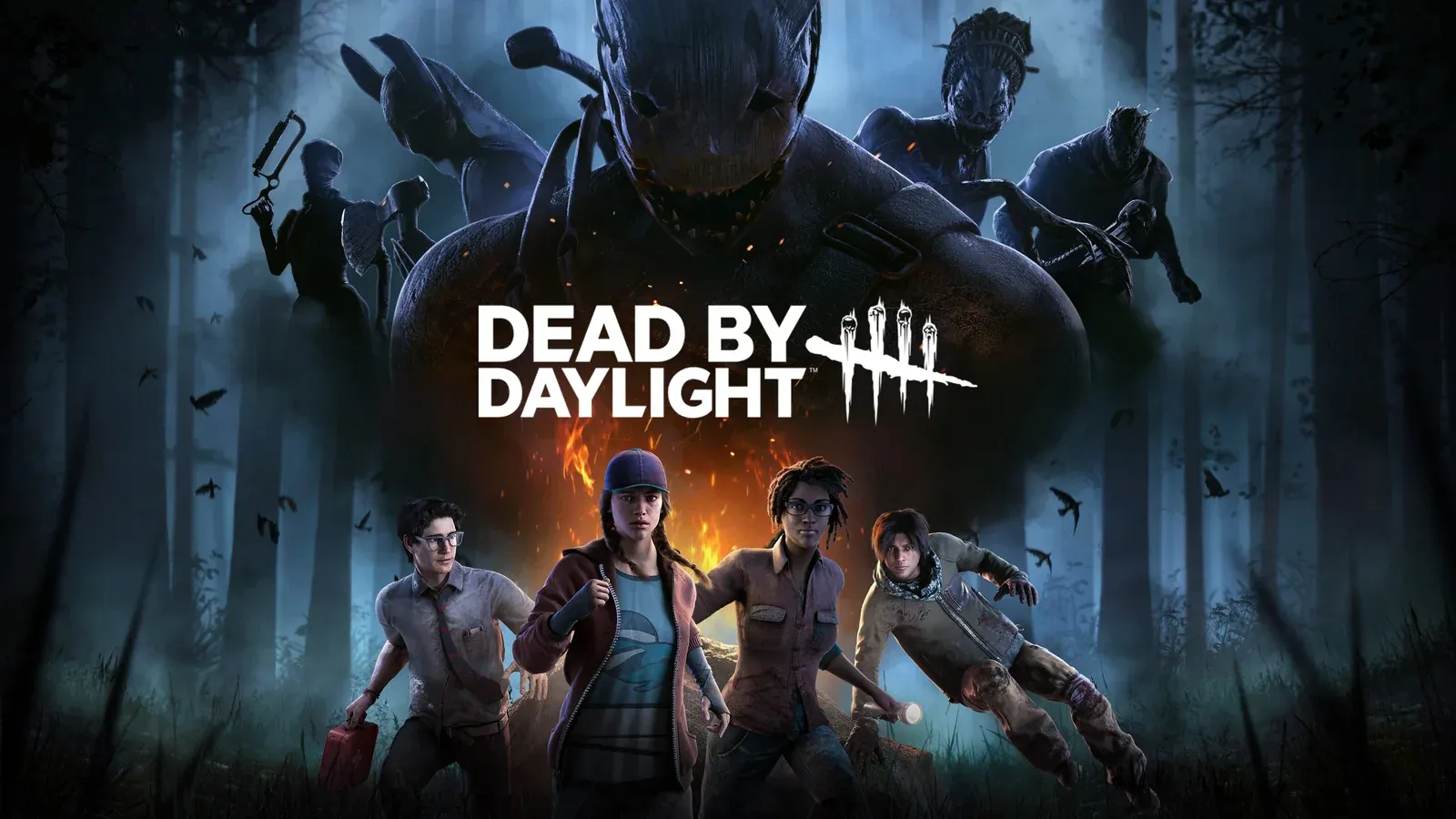
Behaviour Interactive apologized after a Dead by Daylight team member gifted TheBurntPeanut in-game content and currency during a Halloween stream, sparking community backlash over creator support, values, and live-service trust.
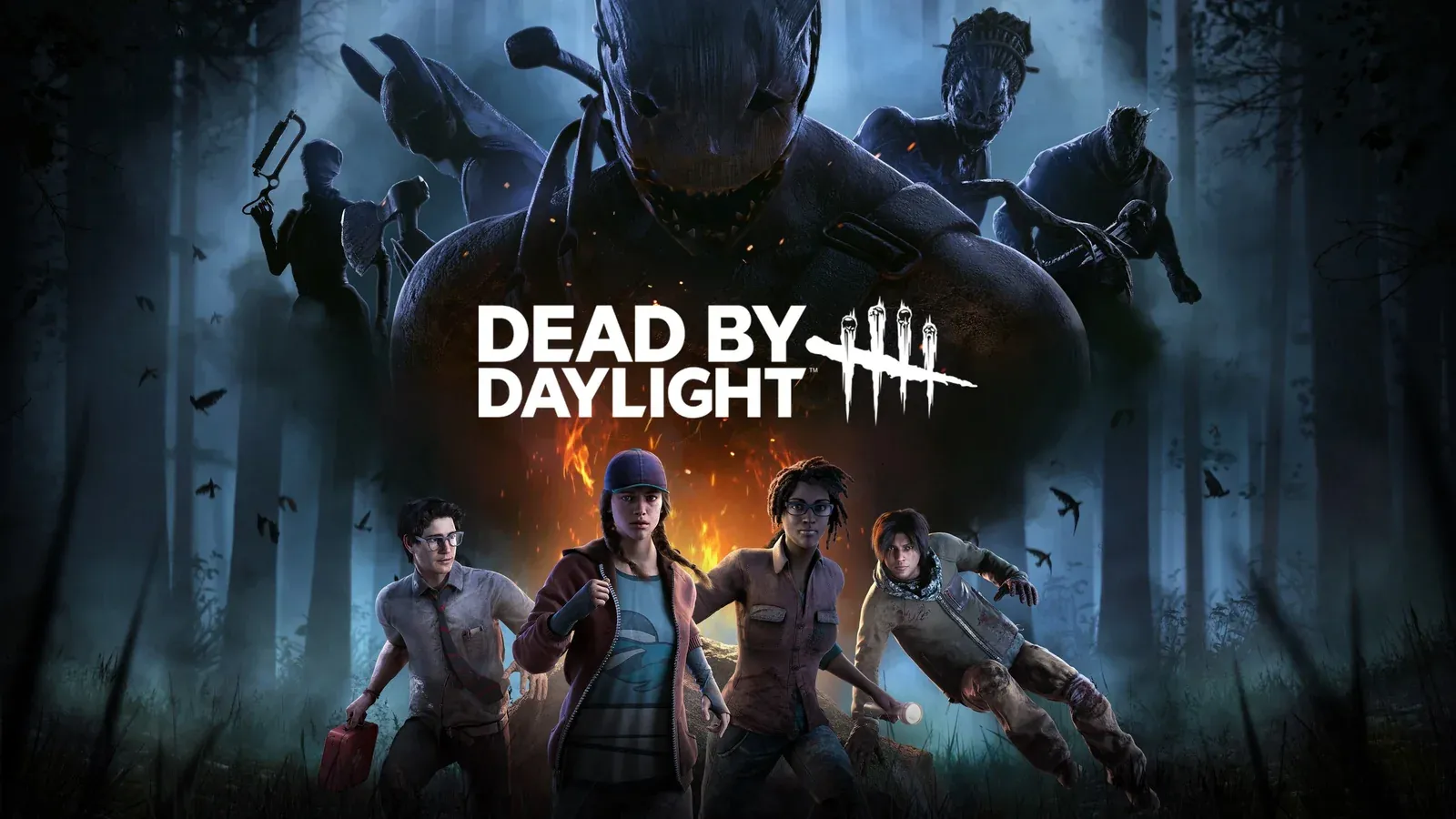
Image: techtroduce.com
Behaviour apologized after a Halloween stream became a flashpoint
Behaviour Interactive has apologized to Dead by Daylight players after a team member awarded in-game content and currency to streamer TheBurntPeanut during a Halloween livestream, a decision the studio later said was made without the appropriate approvals. That is the confirmed center of the Dead by Daylight TheBurntPeanut controversy: a live-service studio handed a creator valuable access in public, viewers objected in real time, and the studio’s own response during the stream intensified the backlash instead of containing it.
In its statement, posted through the DbD Pulse account and quoted by Vice, Kotaku, TheGamer, NDTV, and other outlets, Behaviour said it is “not unusual” for the team to unlock content so creators discovering Dead by Daylight can preview what the game offers. The studio drew the line at this particular case, saying the decision lacked proper approval and that the team member’s later comments and conduct did not align with Dead by Daylight’s core values.
The apology followed a fast-moving weekend reaction. Polygon reported that some players said they were uninstalling the game and seeking refunds. IGN described the incident as escalating from a contained negative reaction into a larger breaking point for parts of the community. TheGamer reported that some players were also frustrated that the apology appeared on DbD Pulse, a smaller account than the main Dead by Daylight account, which limited its reach compared with the game’s primary social presence.
What TheBurntPeanut received, and where the reports differ
The details of the gift matter because Dead by Daylight is built around unlocks. Behaviour’s own statement, as reproduced by multiple outlets, describes the reward as “in-game content and currency.” That is the firmest wording available from the developer. Other reports describe the visible effect more broadly. Polygon reported that TheBurntPeanut received all available DLC or all paid expansions. IGN wrote that the streamer appeared to receive access to the game’s full roster of Survivors and Killers. NDTV reported that characters and skins were unlocked, along with currency. TheGamer described it as all of the game’s paid content.
Those descriptions point in the same direction, but they are not identical. A full DLC grant, a full character unlock, a currency grant, and skins all carry different implications for players who have spent years earning or buying content. Without a complete itemized account from Behaviour, the safest conclusion is the one the studio confirmed: a team member granted a creator in-game content and currency during a stream, and the grant was outside the proper approval process.
IGN’s reporting gives the business context behind the irritation. Dead by Daylight begins with a limited selection of playable characters, while additional Survivors and Killers can require in-game currency or premium Auric Cells. IGN noted that licensed characters, such as The Walking Dead’s Rick Grimes or Alien’s Xenomorph, can cost around $5 in premium currency, with cosmetics adding further expense. In a game where roster breadth affects variety, learning curve, and identity, seeing a streamer receive a large unlock package in seconds turned a promotional gesture into a resource-pressure story for regular players.
The chat message that turned a bad read into a community alarm
According to screenshots and reporting cited by Polygon, Kotaku, TheGamer, and NDTV, TheBurntPeanut reacted to the unlocks during the broadcast, with IGN quoting him as saying, “Guys! I just got all the guys!” When viewers objected, TheBurntPeanut reportedly offered to return the items. Polygon and TheGamer both reported that the employee or official account response in chat was, “WE CAN TAKE THE HEAT! THEY ARE YOURS TO KEEP.”
That line became a symbol of the Dead by Daylight controversy because it read to many players as dismissal. The gift alone raised questions about creator access, but the chat response suggested that community concerns had been anticipated and shrugged off in public. Behaviour’s apology directly addressed that failure. As quoted by Vice, the studio said that when concerns became apparent during the stream, it should have looked into them rather than dismissing them.
For a horror live-service game, tension is usually the product. Dead by Daylight thrives when survivors feel hunted, resources feel scarce, and every decision under pressure has a cost. Community management works differently, but the survival math is similar. Once players believe the studio is spending trust carelessly, every follow-up message gets read like a noise notification in the dark: maybe harmless, maybe the start of a chase. Behaviour’s apology tried to separate the studio’s values from one team member’s actions, but the public nature of the exchange made that separation harder for some players to accept.
Why this creator gift hit a nerve beyond one streamer
The backlash was not only about whether a streamer received free items. Several outlets reported that players objected because of TheBurntPeanut’s reputation and because they saw the gift as official support for him. Kotaku reported that the streamer’s reputation has been shaped by viral clips in which he appeared to use, or joke about using, bleeped-out slurs, and by supporters online who use offensive insults and anti-woke dog whistles. NDTV reported that players questioned why a creator accused by critics of racist and transphobic behavior was rewarded. TheBurntPeanut has denied accusations against him, according to Polygon and NDTV.
That distinction matters. The allegations and reputation concerns are part of the reported community reaction, not findings made by Behaviour in its apology. Behaviour did not publicly adjudicate each accusation in the cited statement. It apologized for the unapproved reward, for the team member’s comments and conduct, and for dismissing concerns during the stream. It also said it appreciates and stands with community members raising concerns about whether Dead by Daylight’s values are being upheld, as reported by Vice and Kotaku.
The creator-program angle sharpened the resentment. Polygon reported that some Dead by Daylight content creators have been waiting a long time for approval in the Creator Program while controversial streamers continue to get accepted and receive support from developers. When a live-service team has an official creator pipeline, informal or opaque perks can look like a second door in the wall. Players and smaller creators may not know who is approved, who is being courted, and who is being granted temporary access, but they can see when someone receives visible benefits on stream.
Behaviour’s apology answered process questions, but left others open
Behaviour’s statement gave players three concrete acknowledgments: the content and currency grant did not receive appropriate approvals, the subsequent comments and conduct did not align with Dead by Daylight’s core values, and the team should have investigated concerns during the stream instead of dismissing them. NDTV and Vice also reported that Behaviour has started reviewing internal processes to prevent a repeat.
That is a process apology rather than a full transparency report. It does not say who authorized what, whether the content has been revoked, whether TheBurntPeanut remains in any creator relationship with Behaviour, or whether creator vetting standards will change. The sources provided do not confirm disciplinary action, a new creator-policy document, or a revised approval chain. Readers should treat any claims beyond the statement as unannounced unless Behaviour provides more detail.
The apology also arrived amid a second pressure point: harassment. NDTV and TheGamer reported that Behaviour condemned threats aimed at employees. That matters because legitimate criticism of a studio decision can curdle into personal targeting quickly during live-service controversies. Players can object to a creator partnership, ask for policy clarity, uninstall, or withhold spending without directing threats at individual workers. Behaviour’s message attempted to hold both positions at once: acknowledging the community’s concerns while rejecting abusive behavior toward staff.
The live-service lesson is about visibility, approval, and earned trust
The practical lesson for live-service teams is not that creators should never receive access. Behaviour itself said preview unlocks for creators discovering Dead by Daylight are not unusual. The lesson is that creator support becomes part of the game’s economy and values the moment it happens in public. If a studio grants content that normal players buy or grind for, viewers will weigh that gift against their own spending, their own application history, and the studio’s stated community standards.
Dead by Daylight is especially sensitive to that calculation because it is a long-running multiplayer horror game with a decade of community investment behind it. Polygon and IGN both frame the controversy against a player base that has stayed with the game through years of updates, licensed crossovers, original characters, and seasonal events. Halloween should be one of the safest moments on the calendar for a horror game. Instead, the stream exposed a weak point in the fog: inconsistent-looking creator treatment.
For players wondering what to do now, the confirmed facts support a wait-and-watch approach if the apology itself is not enough. Behaviour has said it will review internal processes, but the sources do not yet show the outcome of that review. If creator vetting, approval rules, or gift disclosures change, those changes will be the real test. If nothing visible changes, the DBD community backlash may linger as another example of live-service trust being easier to spend than restore.
For creators, the guidance is equally direct. A studio gifting content can become a liability if the audience reads it as endorsement without context. For developers, the safer path is clear approval, clear disclosure, and a prepared response when viewers raise concerns. In Dead by Daylight, every sound cue can betray a position. In community management, every casual chat message can do the same.