
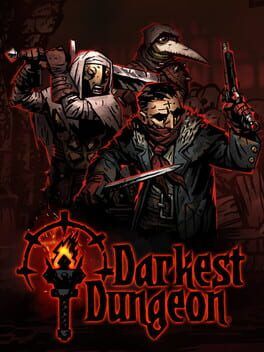

Mythic Games’ liquidation killed the Darkest Dungeon board game Kickstarter, but Red Hook’s decision to unlock the game files for backers may reshape how video game studios think about tabletop licensing deals.
The Darkest Dungeon board game was supposed to be one of the crown jewels of video game-to-tabletop adaptations. Launched on Kickstarter in October 2021, the campaign pulled in over $5.6 million from nearly 29,000 backers, promising a lavish dungeon-crawling experience that translated Red Hook’s grim tactical RPG into plastic and cardboard.
Instead, it ended in something much closer to the video game’s own flavor text: ruin has come to our house.
Mythic Games, the board game publisher responsible for manufacturing and fulfillment, entered compulsory liquidation. Production stopped, Wave 2 shipments never materialized and thousands of backers were left with nothing to show for their pledges. Red Hook Studios, which licensed the Darkest Dungeon IP but was not running the campaign itself, stepped in with a move that is rare in this space. The studio authorized the release of the full project files to all backers for non-commercial use, effectively letting fans salvage a dead campaign through home printing and 3D printing.
Seen from the video game side of the industry, that decision is important. It shows both how fragile cross-media licensing can be and how a rights holder can still try to protect its community when a partner collapses.
How the Darkest Dungeon board game fell apart
On paper, this was exactly the kind of crossover deal video game studios dream about. Red Hook contributed a world, aesthetic and fanbase. Mythic Games brought board game expertise, Kickstarter experience and a manufacturing pipeline. The campaign blew past its target, loading stretch goals and a second wave of content onto the production schedule.
Then Mythic’s long-simmering financial problems boiled over. Across multiple projects, the publisher started asking backers for additional “shipping contributions” and restructuring timelines. Complaints piled up from fans of other Mythic titles and by late 2025 the company was in compulsory liquidation.
For Darkest Dungeon backers, that meant the pipeline simply stopped. Some early backers received Wave 1 content. Many more, especially those waiting on Wave 2, were left with nothing pending and no realistic prospect of seeing finished product. Mythic, not Red Hook, held the contracts for manufacturing and fulfillment, so once Mythic folded there was no entity in place to print, store or ship the remaining games.
Crucially, Red Hook also did not control the board game’s production files. A separate company had translated the video game into tabletop systems, created miniatures and laid out rulebooks. Those files were part of the board game project, not assets Red Hook could simply repurpose or sell.
That is the hole many video game IP holders find themselves in once a tabletop partner collapses. You own the world and the characters, but not the actual board game that fans paid for.
Red Hook’s unusual response: open the project files for fans
The turning point came when a former Mythic employee contacted Red Hook asking for permission to share the board game project files with Kickstarter backers. Legally, this was complicated. The ex-employee could provide the data, but any Darkest Dungeon art, lore or iconography inside those files still belonged to Red Hook.
Red Hook’s answer was to grant explicit permission for that material to be shared with backers on a strictly non-commercial basis. That blessing unlocked the entire package: rulebooks, graphic assets, 3D models and other components needed to reconstruct the game at home. Backers were contacted via a dedicated email address with download links and an explanation of the situation.
From a fan’s perspective, the value of those files will vary. For some, access to 3D-printable miniatures and full rules is a meaningful consolation prize. For others, especially those without access to quality printers, it is a poor substitute for the professionally produced game they expected. Red Hook acknowledges that reality in its own messaging, framing the release as a small silver lining rather than a fix.
What matters from the video game IP angle is the precedent. Red Hook could have refused and left the files in legal limbo, arguing that unauthorized distribution of its characters and world would violate its rights. Instead, it prioritized salvaging what it could for the community and accepted a level of informal, fan-driven production.
That willingness to relax control of the IP in a targeted way is rare and may be what players remember most about this fiasco.
Why video game IP and tabletop licensing so often clash
Darkest Dungeon is not the first high-profile video game adaptation to stumble in the board game space, and the root problems are remarkably similar across projects.
Video game studios tend to think in terms of digital production. Once a game is ready, you can ship an update or release on new platforms with relatively predictable costs. Physical board games are far more vulnerable to cost shocks and logistics failures. Rising plastic prices, factory delays, shipping crises and warehousing fees can turn a profitable Kickstarter into a financial trap.
When a video game IP is licensed out, the developer often stands at arm’s length from those risks. Their brand and audience are vital, but the actual business of molds, freight and fulfillment lives with the tabletop partner. As long as boxes keep arriving on doorsteps, that arrangement works. When a publisher’s cash flow collapses, the IP owner is left in a difficult position: fans are angry at a product bearing their logo, but the studio has limited levers to pull.
Darkest Dungeon’s situation is a textbook example of how that disconnect plays out. Mythic’s funding woes extended across multiple projects, not just this one. By the time the board game adaptation was in deep trouble, Red Hook would have had to pour substantial money into an unfamiliar industry just to try to pick up the pieces. In public statements, the studio was frank that stepping in as a manufacturer would have been financially reckless.
The result is a triangled responsibility problem. Backers feel their trust was anchored in the Darkest Dungeon name. The tabletop publisher holds the contracts and runs the numbers. The video game developer technically only licensed its universe but shoulders much of the reputational damage when things go wrong.
Lessons for other video game studios eyeing tabletop deals
For other developers considering a board game adaptation, the Darkest Dungeon collapse is a clear warning sign. It does not mean video game-to-board-game crossovers are doomed, but it underlines how much structure and contingency planning these partnerships need.
Studios should treat tabletop licensing less like a simple merchandise deal and more like a co-production that can materially affect their brand. That starts with due diligence. A partner with a long list of ambitious Kickstarters and thin margins might be a bigger risk than a smaller publisher with a slower, steadier catalogue.
Beyond reputation checks, contracts can do more work. Clauses that give the video game IP holder access to production files in a default or insolvency scenario would make it easier to rescue a project, whether by handing it to another publisher or granting backers the ability to print components themselves. Clear language around who owns which layers of the game, from graphic design to STL models, can turn a total collapse into a salvageable setback.
Communication strategies also matter. In this case, much of the information flow to backers was filtered through the collapsing publisher. When trouble starts, video game studios should be prepared to speak directly to their community, even if they are not the campaign owner. That might include regular status check-ins, frank explanations of what the studio can and cannot do financially and, where possible, concrete alternatives like partial refunds, digital versions or file releases.
Red Hook’s file release hints at an emerging best practice. When all else fails and a rescue print run is impossible, limited, non-commercial access to project assets can preserve some of the trust between a studio and its audience. It acknowledges the reality of sunk costs while giving dedicated fans tools to create their own version of what they backed.
What this means for fans of Darkest Dungeon and other video game IPs
For Darkest Dungeon fans, the board game saga lands as a cautionary tale wrapped around a small act of goodwill. The campaign will never deliver as planned. No amount of STL files will replace the excitement of opening a fully produced box funded years earlier.
Yet Red Hook’s handling of the aftermath reinforces a few important signals. The studio did not walk away from the mess with a generic statement about licensing. It explored the narrow legal path that allowed backers to get meaningful material in their hands without jeopardizing the company itself. It also made public something that many fans do not realize until a project fails: when a video game logo appears on a box, the people who made that logo are not always in charge of the box.
Looking forward, this collapse will likely influence how other developers structure their own crossover projects. Larger publishers may insist on stronger audit rights and asset access when dealing with crowdfunded board games. Smaller studios might prefer modest print runs with experienced partners over massive, stretch goal-laden campaigns that stretch production capacity to a breaking point.
For players, the lesson is not to avoid licensed board games outright, but to understand the layers involved. A trusted video game IP can guarantee thematic authenticity and attractive art, but it does not guarantee a healthy production pipeline or stable budgeting from the tabletop side.
The Darkest Dungeon board game will probably become a piece of hobby folklore, a story about one of the biggest crowdfunded adaptations that never properly arrived. What lingers for video game fans is that, at the bleakest point of the campaign, the studio behind the IP made a decision that favored access over control. In a cross-media landscape where rights holders often lock things down tightly, that is a notable move and one other developers may look to when the next ambitious adaptation runs into trouble.