

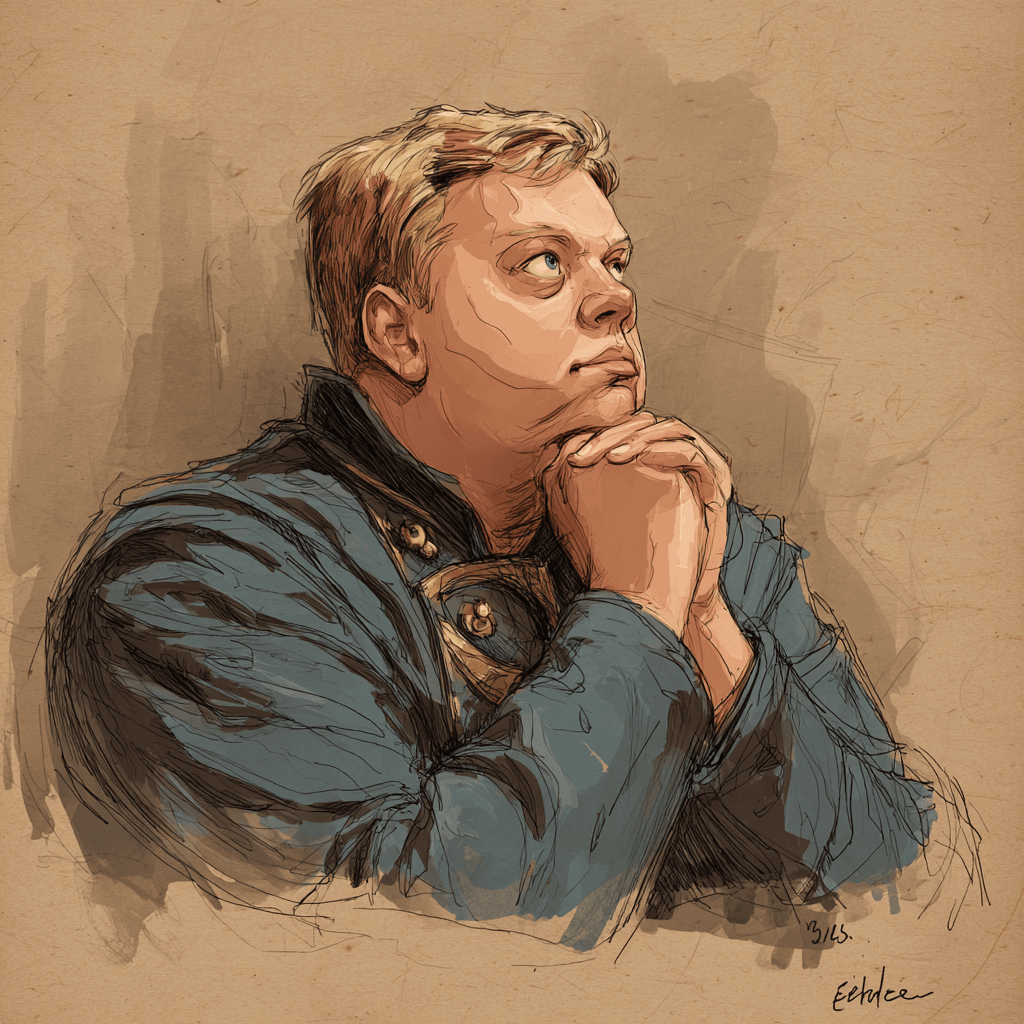
Hasbro has named former Halo leader Dan Ayoub president of Wizards of the Coast and Hasbro Digital Games, putting Dungeons & Dragons, Magic: The Gathering, Duel Masters, and Hasbro’s digital strategy under a games-industry veteran.

Image: 4scarrsgaming.com
Hasbro puts a former Halo leader over Wizards and digital games
Hasbro has named Dan Ayoub president of Wizards of the Coast and Hasbro Digital Games, effective November 2, according to the company’s October 27 announcement. The appointment puts Ayoub in charge of Magic: The Gathering, Dungeons & Dragons, Duel Masters, and Hasbro Digital Games at the same moment Wizards’ biggest brands are being treated less like isolated tabletop lines and more like franchise platforms.
That is the concrete development. The tension is what comes next. Ayoub is not arriving as an outside turnaround executive with a toy-sector resume. Hasbro describes him as a lifelong fan and 25-year games industry veteran, while PC Gamer frames the move around his earlier role as a former Halo boss. TechRaptor also notes that Ayoub previously served as Studio Head of 343 Industries and, more recently, as senior vice president of franchise for Dungeons & Dragons.
For players, collectors, Dungeon Masters, and anyone watching Hasbro digital games, the appointment matters because it concentrates several strategic questions in one office. How aggressively should Dungeons & Dragons move into seasonal and licensed franchise content? How should Magic: The Gathering balance its physical card-game identity with game initiatives? How much risk should Hasbro take on large digital productions tied to its best-known brands? Hasbro has confirmed the leadership change. It has not announced a new release slate, platform plan, pricing model, or product restructure alongside it.
Ayoub inherits brands that already behave like live ecosystems
Hasbro’s own announcement says Ayoub will lead Magic: The Gathering, Dungeons & Dragons, Duel Masters, and Hasbro Digital Games. That language is important because it does not separate tabletop publishing from digital development as cleanly as older corporate structures often did. It places Wizards’ collectible card, role-playing, and digital ambitions within the same executive remit.
TechRaptor reports that Ayoub, in his previous role as senior vice president of franchise for Dungeons & Dragons, pushed the game toward a “full franchise model.” The outlet connects that approach to D&D’s seasonal content, crossover material with World of Warcraft and Star Wars, and the officially licensed actual play Dungeon Masters. Those examples are TechRaptor’s framing rather than a new Hasbro roadmap, but they help explain why this promotion is more than a nameplate change.
From a strategy perspective, the phrase “full franchise model” suggests a planning rhythm closer to modern games than to old-style book publishing. A tabletop release can set up an actual-play push. A crossover can bring in fans from another license. A digital project can become an acquisition funnel for the tabletop game, provided it lands well. That model can create momentum, but it also creates pressure. The more Dungeons & Dragons and Magic are run as ecosystems, the more players judge the whole machine, not a single sourcebook or set in isolation.
Dungeons & Dragons now has a franchise operator at the top
Dungeons & Dragons is the clearest test case for Ayoub because his recent Hasbro role was already tied directly to the brand. TechRaptor identifies him as the former senior vice president of franchise for Dungeons & Dragons, and Hasbro’s announcement elevates him into a broader role over Wizards of the Coast and Hasbro Digital Games.
The practical consequence is that D&D’s next chapter is likely to be evaluated through continuity rather than rupture. Ayoub has already been associated, through TechRaptor’s reporting, with a franchise-model push that includes seasonal content and licensed crossovers. Hasbro has not said his promotion will accelerate those efforts, but it would be strange to read the move as a rejection of that direction. Companies usually promote executives to scale what leadership believes is working.
For tabletop players, the key question is pacing. Seasonal content can keep a role-playing game visible between major rulebook moments. Crossovers can bring new tables into the hobby. Licensed actual play can turn campaigns into audience-facing entertainment. The risk is fatigue or brand blur, especially if releases arrive faster than groups can use them at the table. Ayoub’s challenge will be to make D&D feel active without making it feel like a content treadmill.
Magic: The Gathering sits inside the same digital equation
Hasbro’s release names Magic: The Gathering alongside Dungeons & Dragons and Duel Masters in Ayoub’s new portfolio. The company’s wording does not provide a new Magic product announcement, and the source material does not detail any specific Magic The Gathering games. What it does confirm is that Magic now reports into a president whose background includes both franchise leadership and major video game studio experience.
That matters because Magic already operates on a cadence that resembles a competitive live ecosystem. Sets, formats, organized play, digital implementations, licensing, and collector products all interact with each other. Even when Hasbro’s announcement does not mention balance, formats, platforms, or monetization, the leadership profile still sends a signal: Wizards is being led by someone whose public resume fits multi-channel game management.
The opportunity is alignment. A Magic release can be planned with physical play, digital engagement, and franchise partnerships in mind from the beginning. The risk is that digital goals can reshape incentives around cadence, retention, and spending in ways that longtime tabletop players may watch warily. Hasbro has not announced changes to Magic’s release model here, so any prediction beyond that is interpretation. The confirmed point is narrower and still significant: Magic is now part of a Wizards structure led by a former Halo and D&D franchise executive.
Hasbro Digital Games gets a leader with AAA production history
The strongest video game angle is Ayoub’s background. TechRaptor reports that he served as Studio Head of 343 Industries, and PC Gamer’s coverage highlights him as a former Halo boss now in charge of Wizards of the Coast and Hasbro Digital Games. Hasbro’s announcement calls him a 25-year games industry veteran.
That history does not guarantee success for Hasbro’s digital slate, but it changes the lens for evaluating it. Large-scale game development is an execution problem before it is a brand problem. Schedules slip, teams scale unevenly, budgets grow, and recognizable IP does not automatically solve design, technology, production, or player-retention challenges. A leader with AAA studio experience should understand those failure points better than an executive whose background is limited to licensing approvals.
TechRaptor says Ayoub’s new responsibilities include digital game productions such as Dungeons & Dragons: Warlock and Exodus. That outlet also describes Exodus as a Mass Effect-esque sci-fi action game. Hasbro’s supplied announcement excerpt confirms the broader Hasbro Digital Games role but does not, in the provided text, lay out release timing, platforms, prices, or technical targets for those projects. Readers looking for whether a specific game is coming to PC, console, subscription services, or early access still have to wait for official product-level announcements.
The unanswered questions are now product questions, not résumé questions
The announcement answers who is leading Wizards of the Coast and Hasbro Digital Games. It does not answer how Ayoub will allocate attention among tabletop publishing, card-game operations, licensed entertainment, internal game development, and partnerships.
That distinction matters. A president can set priorities, but players experience strategy through products. D&D players will judge the leadership change by release quality, table usability, licensing choices, and whether the franchise model strengthens campaigns rather than distracting from them. Magic players will judge it by set quality, format health, digital support, and whether franchise expansion creates excitement without overwhelming the core game. Video game players will judge Hasbro Digital Games by shipping games that work, feel complete, and justify the use of beloved worlds.
Chris Cocks, Hasbro’s CEO, said in the company announcement that Ayoub has “the passion and leadership caliber” to take Wizards of the Coast and Hasbro Digital Games into its next chapter, adding that Ayoub understands what the company’s games mean to players and what it takes to build teams and experiences. That is the corporate case for the promotion. The player-facing test will be less sentimental: do the next D&D, Magic, Duel Masters, and digital-game decisions feel coordinated, sustainable, and worth the time and money being asked of their communities?