
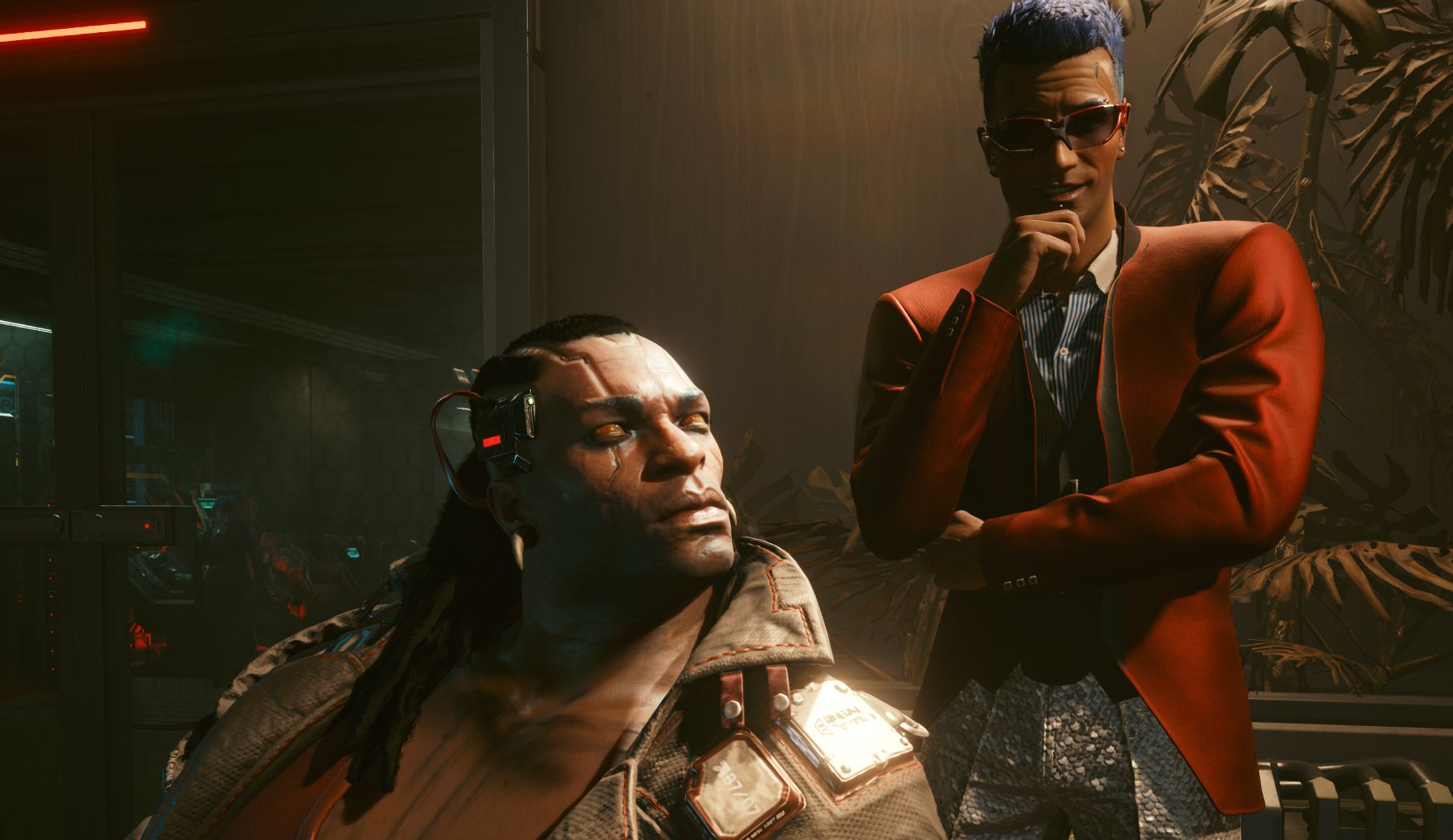
CD Projekt joint CEO Michał Nowakowski says the Cyberpunk 2077 launch decision was wrong, while pushing back on investor-pressure theories as the RPG keeps selling on Switch 2.
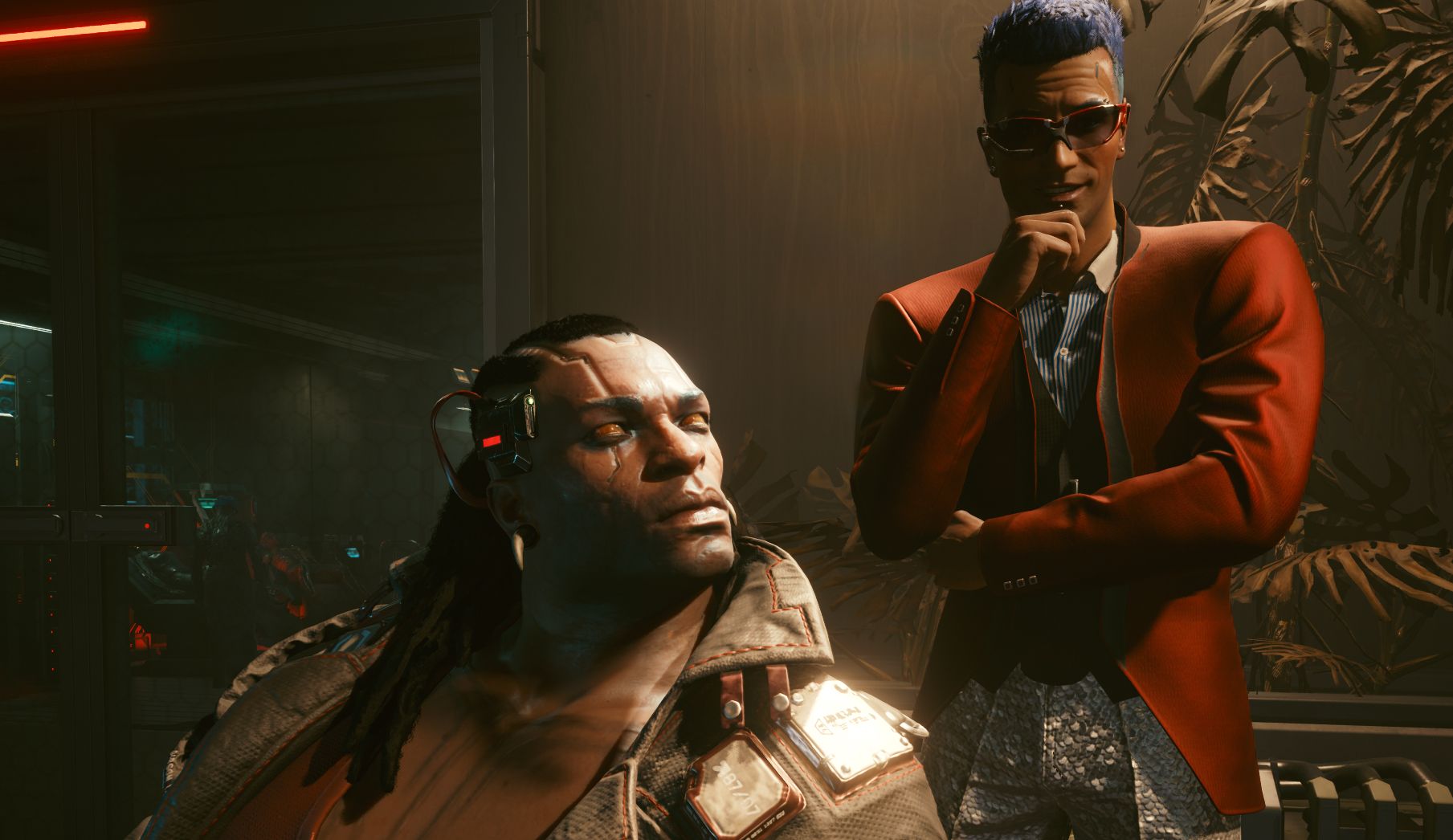
Image: pcgamer.com
CD Projekt’s clearest new admission comes with an important caveat
CD Projekt joint CEO Michał Nowakowski has said that launching Cyberpunk 2077 in December 2020 was “for sure wrong,” a blunt new admission about one of the most scrutinized RPG releases of the last decade. Speaking to The Game Business, in comments reported by Rock Paper Shotgun, GameSpot, Nintendo Life, and VGTimes, Nowakowski also rejected a simpler explanation that has followed the game for years: that investors forced CD Projekt Red to ship the game before it was ready.
“The decision to launch was for sure wrong, period. There’s no denying it,” Nowakowski said, according to the interview excerpts published by multiple outlets. “But there were no magical investors telling us, ‘you have to get this out’. It was much more complicated and psychological.”
That distinction is the tension at the center of the latest CD Projekt Cyberpunk 2077 admission. The executive is not disputing that the Cyberpunk 2077 launch was a mistake. He is disputing one popular theory about who, or what, drove that mistake. According to Nowakowski, the late-2020 release happened under a mix of COVID-era strain, outside expectation, fan pressure, and internal exhaustion rather than a direct investor order.
For players who bought the RPG on PlayStation 4 or Xbox One at launch, that explanation will not rewrite the experience. GameSpot notes that Cyberpunk 2077 launched in such a poor technical state that Sony removed it from the PlayStation Store, and that thousands of players refunded the game. Rock Paper Shotgun’s coverage recalls the launch period as one marked by bugs, uneven performance, and even save corruption concerns. The new quote matters because it is a senior CD Projekt leader placing an explicit verdict on the release decision while trying to define the cause more narrowly.
The quote is resurfacing because CD Projekt is selling a recovered game while planning its next one
Nowakowski’s comments did not arrive in a vacuum. They surfaced during a broader The Game Business interview that also discussed CD Projekt’s ongoing sales strength, including Cyberpunk 2077: Ultimate Edition on Nintendo Switch 2, and the pressure around future release timing for projects such as The Witcher 4.
Rock Paper Shotgun reports that Nowakowski was asked whether Cyberpunk 2077 and The Witcher 3 continuing to sell extraordinarily well had relieved pressure on setting dates for upcoming games. His answer turned back to 2020. “That situation was different,” he said, describing CD Projekt as being in “a very peculiar moment in the middle of COVID.” He added that COVID was “a factor,” while also saying he did not want to put the whole decision on the pandemic.
That framing is why the CDPR CEO Cyberpunk 2077 quote is circulating again now. CD Projekt is in a period where its past mistake and present momentum are linked in public discussion. Cyberpunk 2077 is no longer only a case study in release controversy. It is also a game that has sold more than 40 million copies, according to GameSpot, after years of updates and the Phantom Liberty era. At the same time, CD Projekt is trying to convince players and observers that its next major RPG cycle will not repeat the old production and platform mistakes.
The timing also gives the quote a sharper edge. If Cyberpunk 2077’s long tail gives CD Projekt financial breathing room, the obvious reader question is whether that breathing room changes how the studio treats launch readiness. Nowakowski’s answer implies the problem was not a single boardroom command but a production culture under severe pressure, where exhaustion itself became part of the release logic.
Nowakowski says the push was internal and external, but prior crunch reports complicate that account
According to the quoted interview excerpts, Nowakowski said there were “people outside” telling CD Projekt it should launch Cyberpunk 2077, and that fans were asking for it as well. He also said “the team itself also wanted to push it out the door because it was really tiring at that moment in time.”
That is the most sensitive part of the new account. Rock Paper Shotgun pushes back on the idea by pointing to its earlier reporting that mandatory crunch was put in place in the months before Cyberpunk 2077’s release, a reversal of the studio’s previous stance against mandatory crunch. VGTimes also notes that the game had already drawn criticism over mandatory crunch before launch, which makes the release decision look more fraught in hindsight.
The confirmed part is Nowakowski’s current explanation: he says the decision was wrong, COVID affected the pressure inside the studio, fans and outside voices wanted the game released, and there was no direct investor command. The reported context is that developers were under mandatory crunch in the months before release, according to Rock Paper Shotgun’s earlier coverage. The interpretation, and the unresolved issue, is how much “the team wanted it out” can explain when workers may also have been required to keep pushing toward that date.
For an RPG of Cyberpunk 2077’s scale, launch readiness is not a single switch. It sits across quest logic, save stability, console memory limits, open-world streaming, combat balance, AI behavior, UI flow, and thousands of small interactions between builds, perks, cyberware, vehicles, and scripted scenes. When those systems are strained, the difference between a shippable PC build and a stable multi-platform release becomes enormous. Nowakowski’s comments acknowledge the launch call was wrong, but they do not settle how internal exhaustion, mandatory overtime reports, and management responsibility fit together.
The original controversy still defines how players read every CD Projekt promise
The Cyberpunk 2077 release controversy was not only about bugs in the abstract. It was about expectation versus delivered reality. CD Projekt Red was coming off The Witcher 3’s reputation, Cyberpunk 2077 had been marketed as a vast player-choice RPG, and the final 2020 release asked players on multiple platforms to accept technical problems that many considered beyond normal launch roughness.
GameSpot reports that Cyberpunk 2077 sold 13.7 million copies in its first 21 days, even as about 30,000 people received refunds in that early period according to its linked coverage. The same outlet also notes that CD Projekt executives received multimillion-dollar bonus payouts tied to the game’s commercial success, while developers also received large bonus payouts. That combination, huge sales and a damaged launch reputation, is part of why the investor-pressure theory stayed alive. The game arrived on December 10, 2020, near the end of CD Projekt’s calendar fiscal year, and GameSpot notes that timing led people to wonder whether the studio shipped before delaying into 2021 to meet a financial deadline.
Nowakowski’s new comment directly addresses that suspicion by saying there were no “magical investors” ordering release. It does not erase the business context. Cyberpunk 2077 was a massive commercial success at launch despite its technical state, and CD Projekt then spent years repairing the product and its reputation.
That repair effort culminated publicly around the 2.0 update and Phantom Liberty expansion in 2023, which GameSpot describes as a game-changing update alongside the expansion. For players who build V around netrunning, blades, reflex-heavy gunplay, or cyberware synergies, the current version of Cyberpunk 2077 plays through a very different progression lens than the 2020 launch build. But the current RPG’s stronger form is also why the original launch remains under scrutiny: the game’s eventual quality makes the release timing look even harder to defend.
Switch 2 sales show the recovered Cyberpunk is now a platform success story
The cleanest separation to make is between the 2020 launch decision and Cyberpunk 2077’s current sales momentum. The former is what Nowakowski now calls wrong. The latter is a measurable sign that CD Projekt’s long repair campaign has changed the game’s commercial standing.
Nintendo Life, citing Nowakowski’s The Game Business interview, reports that CD Projekt was “very happy” with Cyberpunk 2077: Ultimate Edition’s sales on Switch 2. Nowakowski said Cyberpunk 2077 was the best-selling third-party game on Switch 2 “for a while” at launch, and that it was outselling “quite a few Nintendo games,” with Mario Kart named as the exception. He also said the Switch 2 version made money, broke even, and moved into the positive.
Those are notable claims because CD Projekt did not expect Switch 2 numbers to resemble a mature PC storefront such as Steam. Nowakowski described the platform as peculiar because Cyberpunk 2077 arrived at the console’s launch moment, when the install base was still limited. Even with that constraint, he said the game continued to sell and that CD Projekt, players, and Nintendo were happy with the result. Nintendo Life also states that its own review scored the Switch 2 version 9/10, praising the realized world and performance for the hardware.
For readers searching Cyberpunk 2077 Switch 2 sales, the important point is that CD Projekt is positioning the port as a successful test of Nintendo’s new ecosystem. That does not change what happened in 2020. It does show how far the product has traveled: from a game pulled from the PlayStation Store to a late-generation RPG that CD Projekt says helped validate a new platform launch strategy.
The Witcher 4 is the real test of whether the lesson changed production
Cyberpunk 2077’s launch admission is also being read through The Witcher 4 because CD Projekt has been publicly discussing how its next major RPG will avoid the same trap. ComicBook, citing Nowakowski’s comments to Game Developer, reports that The Witcher 4 is already running internally on PC and consoles. Nowakowski said CD Projekt’s prior approach on Cyberpunk 2077 leaned too heavily toward building for high-end PC visuals first, with what he described as a false belief that adapting the game down to then-current consoles would not be too difficult.
“Since then, we don’t take chances,” Nowakowski said in the Game Developer comments quoted by ComicBook. “We want to be sure that it actually works.” ComicBook also reports that CD Projekt is now developing all versions at once and addressing problems earlier rather than pushing them down the road. Rock Paper Shotgun’s source text says The Witcher 4 is targeting a 2028 release window.
That is the practical consequence of this renewed Cyberpunk 2077 launch discussion. CD Projekt is not only apologizing in retrospect. It is trying to describe process changes: earlier console validation, fewer assumptions about scaling down, and less tolerance for accumulated technical debt. Those are production claims, not finished-game proof.
Players should treat the new Cyberpunk 2077 admission as a meaningful statement of responsibility on the release call, but not as a guarantee about future launches. The useful standard for The Witcher 4 will be evidence closer to release: target platforms, real footage running on those platforms, review access across console and PC builds, and whether CD Projekt leaves itself enough time to polish quest scripting, combat systems, open-world streaming, and progression balance before asking players to commit.
For players now, the old warning and the new recommendation can both be true
The fairest reading of Cyberpunk 2077 in 2026 is uncomfortable because two facts coexist. CD Projekt should not have launched the original version in the state players received in December 2020, and the current version has become a major commercial and critical recovery story.
GameSpot reports that Cyberpunk 2077 has now sold more than 40 million copies. Nintendo Life reports that CD Projekt is pleased with the Switch 2 Ultimate Edition’s performance and that the game remains commercially active on that platform. Rock Paper Shotgun and VGTimes both emphasize that Nowakowski’s current explanation still leaves room to question how internal exhaustion and prior crunch reports should be weighed.
For new players, the most practical guidance is simple: judge the version you are buying, not the memory of the launch build, while remembering why skepticism exists. Cyberpunk 2077 today is tied to years of updates, a major 2.0 systems overhaul, Phantom Liberty, and new platform releases. The launch controversy belongs to the original release decision and the conditions around it. CD Projekt’s latest comments clarify that the studio’s leadership now calls that decision wrong, but they also attempt to redirect blame away from a clean investor-pressure narrative.
For a systems-heavy RPG, trust is earned in the details: stable saves, consistent performance, quests that do not break under player choice, builds that remain satisfying deep into the campaign, and platform versions that are shown honestly before launch. Cyberpunk 2077 eventually got much closer to that standard. The reason this quote is resurfacing now is that CD Projekt is asking players to see both sides of the ledger at once: the mistake it admits, the investor theory it disputes, and the recovered game that keeps selling.