
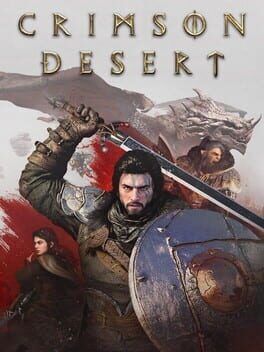

A practical, spoiler‑light guide to Crimson Desert ahead of launch, covering Pearl Abyss’s one‑and‑done, no‑microtransaction promise, every edition and preorder bonus, and what to expect from its RPG‑style systems versus pure action‑adventure.
Crimson Desert is in a strange spot before launch. Clips of horse‑surfing bandits and suplexed mercenaries are everywhere, but the studio keeps dodging the “RPG” label and insisting this is a straightforward, premium open‑world adventure you buy once and finish.
If you are just trying to decide whether to preorder and which version to grab, this guide focuses on the practical side. No genre arguments, just what Pearl Abyss is actually selling and what kind of game you should expect to boot up on day one.
A one‑and‑done open world, not a live service
Pearl Abyss built its reputation on Black Desert Online, so the big worry has been whether Crimson Desert would inherit that game’s heavy monetization. The studio has been unusually direct about this.
Marketing director Will Powers has repeated across interviews and podcasts that Crimson Desert is designed as a premium single‑purchase game. In his words, “This is made to be a premium experience that you buy and enjoy the world, and not something for microtransactions. That is the transaction. Full stop.”
Here is what that means in concrete terms at launch:
Crimson Desert does not have a microtransaction shop or cosmetic cash store. There is no separate in‑game currency to buy. There are no pay‑to‑win boosts, XP boosters, gacha outfits, or mount sales waiting in a menu.
The only paid content around launch is the game itself, your choice of edition, and the strictly cosmetic preorder and deluxe/collector rewards that are bundled with those purchases. Pearl Abyss has been clear that they are not carving out gameplay systems or progression and selling them back piecemeal.
You can expect post‑launch expansions and DLC down the line, but the baseline game you buy on day one is pitched as a self‑contained open‑world campaign that you play through and finish rather than a forever game that demands constant spending.
Platforms, price, and base package
Crimson Desert launches on March 19, 2026 for PlayStation 5, Xbox Series X|S, PC via Steam, and Mac. The Standard Edition is priced in line with other big releases on console, with regional PC pricing set by each storefront.
Every copy, regardless of platform or edition, includes the full story campaign set across the continent of Pywel, all side activities, and the complete combat and progression systems. There is no content‑light “last‑gen” build or online requirement for the main adventure.
Every edition and what’s inside
Pearl Abyss and retailers are offering multiple ways to buy the game. The exact naming can differ slightly by region or store, but they all fall into three main tiers.
Standard Edition
This is the base game. You get the full Crimson Desert campaign and access to everything that is part of the launch build.
If you buy the digital Standard Edition on most platforms before launch, it also qualifies for the general preorder bonus described below. One notable exception Pearl Abyss calls out is the Mac version, which is only sold as a digital Standard Edition and does not include the preorder bonus item.
For most players who just want to play the game without extra cosmetics, this is the version to look at first.
Deluxe Edition
The Deluxe Edition keeps the same core game but layers cosmetic extras and small quality‑of‑life perks on top.
The exact pack contents vary slightly from retailer to retailer, but as laid out in Pearl Abyss’s official preorder notice and IGN’s buying guide, Deluxe buyers can expect a bundle of in‑game cosmetics themed around protagonist Kliff and his companions. These typically include a special costume set, weapon or shield skins, and cosmetics for your mount. None of these change stats. They are visual options that reskin gear you would otherwise earn or use.
On the digital side, some storefronts list the Deluxe content as a separate “Deluxe Pack” that can be purchased later if you already own the Standard Edition. Pearl Abyss’s own notice clarifies that this pack will require the base game and will be sold after launch, which again underlines that the Deluxe Edition is an optional add‑on, not a gateway to exclusive gameplay.
If you care about your character’s look and like starting an open‑world game with a themed bundle of cosmetics, the Deluxe Edition is the step up from Standard without committing to physical collectibles.
Collector’s Edition
The Collector’s Edition is the big box aimed at fans who want both in‑game cosmetics and display pieces.
Content can differ by region, but the structure is consistent. You get the full game, all Deluxe Edition digital items, and a set of physical collectibles such as a statue, art book, soundtrack or steelbook, and assorted themed items tied to Crimson Desert’s world. These do not unlock extra missions or power boosts in the game itself. Their value is entirely as memorabilia.
Collector’s stock is limited and often retailer‑exclusive, which means if you are considering it you may need to commit early. From a pure gameplay perspective you are not missing anything important by sticking with Deluxe or Standard.
Preorder bonuses explained
Preordering Crimson Desert gets you a small bundle of extras. These are real in‑game items but they are deliberately narrow in scope and focused on cosmetics.
Across platforms, the core preorder reward is a unique shield for Kliff, often listed as the Khaled Shield. It is a cosmetic variant that you equip like any other shield, intended as an early prestige item rather than a large stat jump. Pearl Abyss has repeatedly stressed that preorder bonuses are cosmetic and not progression‑breaking. You still find and equip normal gear as you explore.
Certain platforms also offer an additional exclusive cosmetic. For example, PlayStation 5 preorders include an extra armor set listed in some regional materials as the Grotevant Plate Set. This functions the same way as the standard preorder shield, giving you a unique look during the early hours without removing the need to loot and craft better gear.
Outside the main game, some editions and retailers bundle small rewards for Pearl Abyss’s other titles. These can be cross‑game cosmetics usable in Black Desert Online or other studio projects. They do not loop back and change Crimson Desert itself, so if you have never touched those games you can safely ignore this part of the preorder descriptions.
If you do not preorder, you still get the full game and its systems. You will simply miss these early bonus skins and platform‑specific cosmetic sets.
So what kind of game are you buying?
The most confusing thing about Crimson Desert right now is where it sits on the spectrum between full RPG and pure action‑adventure. Pearl Abyss has been unusually cautious with genre labels, mainly because it wants to avoid promising systems the game does not have.
Once you strip out the semantics, this is what players should expect.
Fixed protagonist, no dialogue choices
You play as Kliff, with the story centering on him and his close companions. There is no traditional “create your own hero” mode where you define gender, background, or appearance from scratch. Instead, the game borrows customization tech from Black Desert to let you tune the look of Kliff and other key characters within certain bounds.
There are no branching dialogue trees or big narrative choice pop‑ups. The story is authored and linear in the sense that key plot beats are fixed. Your freedom lies in where you go, which quests you tackle in what order, and how you approach combat and exploration, not in totally reshaping the narrative outcome.
If your favorite part of RPGs is writing your own character backstory and choosing between multiple endings, Crimson Desert is closer to something like The Witcher 3 or a modern Assassin’s Creed than to a Baldur’s Gate or Disco Elysium.
Combat first, with RPG‑style depth
Moment to moment, Crimson Desert behaves like a kinetic third‑person action game. Footage and hands‑on impressions point to a focus on timing, dodges, parries, crowd control combos, and environmental tricks, from grappling onto enemies to using siege gear and a pilotable war machine.
Where RPG flavor comes in is how you expand your options. Instead of banking experience points to raise a numeric character level, you collect special items referred to as abyss artifacts out in the world. Feeding these into a skill interface unlocks new attacks and passives on a tree shared between Kliff and his allies.
The result is that your build evolves as you explore rather than as you repeat fights for XP. Clearing optional areas or hunting secrets behind tough encounters can make your toolkit much wider without ever popping a “Level Up 17” banner.
Gear, crafting, and progression
Progression is largely gear driven. You will loot weapons, shields, armor pieces, materials, and crafting blueprints from chests, bosses, and world activities. Back at hubs, you can upgrade and refine equipment, turning rare drops and gathered resources into stronger versions of your favorite weapons.
Many of the most interesting items seem to be unique drops from bosses or hand‑placed rewards in the open world. That pushes Crimson Desert closer to a loot‑based action adventure, where the chase is about finding better gear and upgrading it, rather than assigning points into Strength or Intelligence every time you level.
There are RPG echoes throughout that system. You will make choices about which weapon type to specialize in, which set bonuses to favor, and which skills to unlock first with your limited artifacts. What you will not be doing is building a character around abstract stats like “+3 to Heavy Armor Proficiency” on a detailed sheet.
Difficulty and structure
Crimson Desert does not use a traditional difficulty menu at launch. Instead, your effective challenge level is shaped by how aggressively you seek out better gear, how deep you go into the skill trees, and how much side content you tackle. If you beeline the main story and ignore most side paths, fights will naturally feel harsher than if you spend hours roaming Pywel clearing camps and searching ruins.
Structurally, expect a wide open world with authored story missions, side quests, dynamic events, and plenty of distractions: bounties, exploration challenges, puzzle‑like dungeons, and set‑piece battles. The tone is more gritty adventure than high fantasy simulation, and the emphasis is squarely on action and traversal over minute character‑sheet management.
Which edition should you actually buy?
If all you care about is playing Crimson Desert and seeing the story through, the Standard Edition is enough. You get the same handcrafted campaign and open world that every other version is built on, without paying extra for cosmetics you might never equip.
If you like having unique looks from the start and are already sold on spending dozens of hours in Pywel, the Deluxe Edition is a reasonable upgrade. It keeps the spending to a single additional step and focuses entirely on visual flair instead of power.
The Collector’s Edition is for dedicated fans who want physical memorabilia. From a gameplay perspective it does not unlock extra content or mechanics. Treat it like buying a statue and art book that happen to come with a game code, not as a required upgrade.
Most importantly, whichever tier you land on, Crimson Desert is built to be a full experience out of the box. You are buying a self‑contained, story‑driven open‑world action game with strong RPG flavor in its combat, gear, and progression systems, but none of the long‑tail monetization hooks that often come with that territory.