
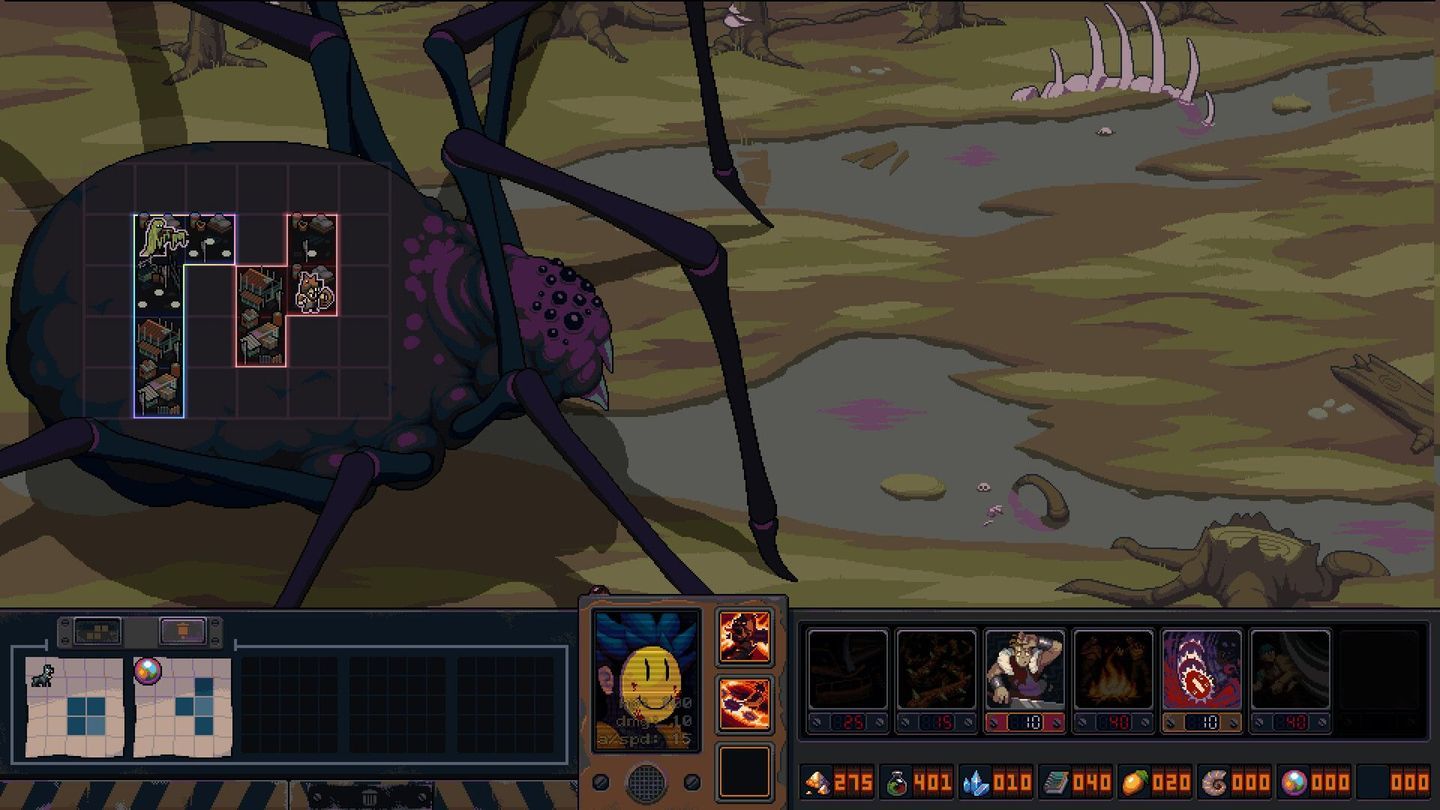

Hypnohead and tinyBuild have unveiled The Crab Is Walking, a new indie game that turns roguelite city building into a strange, compact strategy run on the back of a giant creature.
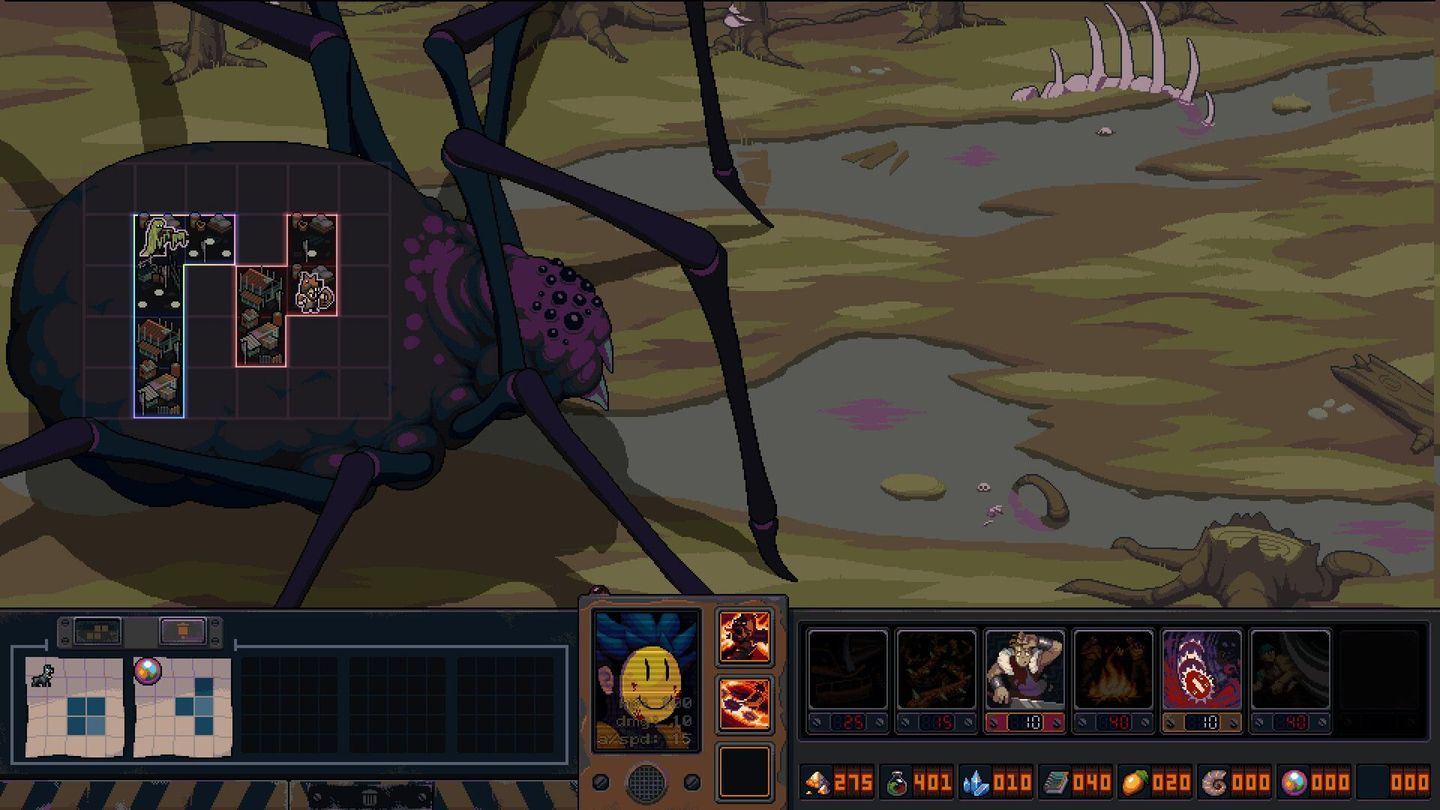
Image: indiebunny.com
Hypnohead’s next game puts the city on legs
Hypnohead, the developer behind The King Is Watching, has revealed The Crab Is Walking with publisher tinyBuild, and the pitch is immediately specific enough to stick: this is a roguelite city-builder and autobattler about founding a settlement on the back of a giant walking creature in a post-apocalyptic wasteland.
The reveal came through tinyBuild Connect, according to tinyBuild’s press release carried by Games Press, which describes The Crab Is Walking as the latest project from the makers of The King Is Watching. Rock Paper Shotgun reports that the new game swaps that earlier title’s royal-gaze gimmick for a mobile city built across tetromino-shaped districts on a colossal crustacean, then sends armies out to fight wasteland insects between building phases.
That developer connection is the most interesting part of the announcement. Hypnohead is not abandoning The King Is Watching for a sequel cycle yet. In a Steam blog post quoted by Rock Paper Shotgun, the studio said it is still working on The King Is Watching and releasing new content for it, so “this isn’t the time for a sequel.” Instead, The Crab Is Walking is being positioned as a parallel experiment, one that carries lessons from Hypnohead’s compact roguelite strategy work into a stranger, more physical design problem: how do you build a functioning capital when the land itself is a creature that needs to survive the trip?
The joke premise has a very serious board-game spine
The Crab Is Walking sounds absurd, but the announced systems are all about pressure, space, and tradeoffs. Rock Paper Shotgun reports that players arrange and combine city districts on a grid between battles, using those districts to increase production, fuel the Ride, or strengthen the army. Techtroduce, citing the newly opened Steam page, says buildings come in different shapes and must be fitted into the creature’s limited shell space, with merging and upgrading available over the course of a run.
That makes the crab less of a mascot and more of a ruleset. Every building has a footprint. Every footprint competes for room. The shell is the map, the base, and the constraint, which gives this new indie game a clean hook for offbeat strategy game fans who like small decisions to collide with each other. The question is not simply what to build, but whether the shape of a useful building can actually coexist with the rest of your moving settlement.
The game’s route structure adds another layer. Techtroduce reports that journeys will ask players to choose between safer paths and more dangerous routes with better rewards. Gamer Social Club similarly cites the feature as a choice between the safe road and the harder road that pays. That is familiar roguelite language, but it fits the premise neatly: your city is not waiting for threats to arrive, it is carrying its whole economy through them.
The King Is Watching connection is mechanical, not cosmetic
The King Is Watching was built around a single sharp constraint. As GamingOnLinux describes it, the game is a roguelite kingdom builder where players rule through the power of a royal gaze, deciding whether to produce resources, train armies, or balance both while adapting to unique events each run. Rock Paper Shotgun notes that The Crab Is Walking does not carry over the need to actively stare at your metropolis to keep it working.
Even without that gaze mechanic, the family resemblance is clear. Both games compress kingdom management into short roguelite sessions. Both ask the player to make production and military choices under pressure. Both seem interested in a central absurdity that becomes a practical interface problem. In The King Is Watching, attention is the resource. In The Crab Is Walking, space, movement, and survival appear to take that role.
Hypnohead’s own comments underline that this is a design evolution rather than a gag reskin. In the Steam blog post quoted by Rock Paper Shotgun, the developer says The Crab Is Walking gives the team room to attempt things that were not possible or practical in The King Is Watching. The studio specifically points to a different resolution for more detailed pixel art and more elaborate animations, along with more sophisticated unit behaviour, combat statistics, and a more convenient, polished interface. For a small strategy game, those are not cosmetic notes. They speak to readability, feedback, and how much complexity the player can parse during a short run.
Rides, Riders, and run identity are the part to watch
The Crab Is Walking will not be built around one crab and one leader every time. Rock Paper Shotgun reports that each run begins by choosing a different Ride to found a settlement on and a different Rider to lead your people into battle. According to the developer quote carried by the outlet, each Ride and Rider combination creates different playstyles, with players asked to work around advantages and weaknesses to find a pairing that suits them.
TinyBuild’s press release also frames this as a run-shaping system, describing different shells and different playstyles. That matters because the building grid alone could become a solved puzzle if the same shell and bonuses repeated too cleanly. Multiple Rides and Riders give Hypnohead a way to make the city-planning side bend from run to run, forcing players to reassess which building shapes, upgrades, and military choices actually fit the creature under them.
There is also a welcome weirdness in the wording. Rock Paper Shotgun notes that while the game is being sold around a giant crab, screenshots include another monstrous walking city that appears to be a spider. TinyBuild’s own press release says your capital sits atop giant creatures and tells players to pick an “eight-legged ride,” even while repeatedly leaning into the crab imagery. That is not a contradiction that breaks the announcement, but it does suggest the title may be using “crab” as the flagship creature rather than the whole stable of mounts.
Combat is confirmed, but its feel is still the biggest unknown
The Crab Is Walking is being described by tinyBuild as both a roguelite kingdom builder and an autobattler. Rock Paper Shotgun says the trailer’s combat appears to work like an autobattler, while Games Press carries tinyBuild’s description of the game as an autobattler outright. The broad shape is clear: build and upgrade the settlement, then send forces into fights against post-apocalyptic wildlife and wasteland insects.
The fine detail is still missing. Gamer Social Club cites more than 100 unit types among the announced features, while Rock Paper Shotgun mentions armies of “Mad Maxalots” fighting the chittering creatures of the sandy wasteland. Hypnohead has said, through the Steam blog post quoted by Rock Paper Shotgun, that The Crab Is Walking will include more sophisticated unit behaviour and combat statistics than The King Is Watching. What has not been explained in the provided materials is how directly players influence battles once they begin, how unit positioning works, or how much of the army game is solved during the city-building phase.
That question will likely decide how broad the game’s appeal becomes. If combat is mostly the payoff for smart building, The Crab Is Walking could lean into the satisfaction of watching a carefully tuned little machine survive. If battles demand too much separate attention, the game risks pulling focus away from the lovely central headache of fitting a city onto a shell. For now, the reveal gives enough to identify the genre mix, but not enough to judge the rhythm.
Release timing, platforms, and the practical gaps
The confirmed availability picture is still thin. Techtroduce reports that The Crab Is Walking is a PC game and that it was revealed alongside a new Steam page. Rock Paper Shotgun says there is no release date yet, but that playtests will begin in 2027. Techtroduce also says no release date has been announced.
There is one timing conflict in the coverage. Gamer Social Club reports that The Crab Is Walking is scheduled to release on PC at some point in 2027 and that playtests will also take place next year. Rock Paper Shotgun and Techtroduce are more cautious, saying no release date has been announced, with Rock Paper Shotgun only specifying 2027 playtests. Based on the provided source material, the safest reader-facing guidance is this: expect playtesting activity in 2027, but do not treat a final 2027 launch as confirmed unless tinyBuild or Hypnohead state it directly on the store page or in a dated announcement.
Price, system requirements, console plans, and Steam Deck status are also unannounced in the supplied sources. The King Is Watching recently added gamepad and Steam Deck support, according to GamingOnLinux, with the developer’s update saying the UI was rebuilt for mouse and keyboard as well as controllers. That existing work is useful context for Hypnohead’s interface priorities, but it does not confirm controller or Steam Deck support for The Crab Is Walking.
The offbeat strategy appeal is in the constraint
The Crab Is Walking is worth keeping on your radar if you like strategy games that turn a strange image into a hard rule. The announcement is funny because the city is on a crab. The design pitch is stronger because the crab creates a tiny, awkward, moving build space where production, fuel, upgrades, and army strength all compete.
Fans of The King Is Watching have a clear reason to pay attention, especially if they enjoyed short runs built around one demanding idea. Hypnohead is openly saying that lessons from that game are carrying forward, while also making clear that The Crab Is Walking is not The King Is Watching 2. That distinction is healthy. The new game gets to keep the studio’s taste for compressed roguelite strategy without being trapped by the exact royal-gaze mechanic that defined its predecessor.
For now, the smart move is to wishlist or follow the Steam page and watch for the 2027 playtests rather than assuming a launch window, price, or platform feature set. The Crab Is Walking has the kind of premise indie discovery thrives on, but its long-term promise will come down to craft: whether the shell grid stays readable, whether Ride and Rider combinations create meaningful run identity, and whether the autobattler layer deepens the city-building puzzle instead of smothering it.