
Compulsion Games has completed its management buyout from Xbox, regained its IP, and is trying to preserve the team while planning an independent future after Microsoft’s restructuring.
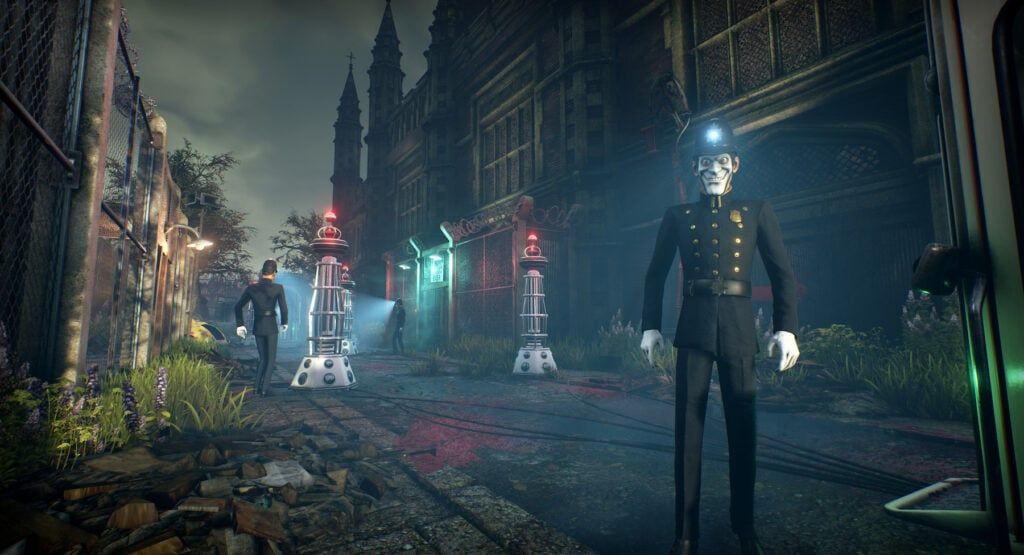
Image: gamesbeat.com
Compulsion’s Xbox exit is now complete
Compulsion Games has completed its management buyout from Xbox, with CEO Guillaume Provost confirming to GamesBeat that the Montreal studio is independent again and has regained ownership of its original intellectual property. VGC reports that the deal was completed on August 11, ending the studio’s run inside Xbox Game Studios after Microsoft acquired Compulsion in 2018.
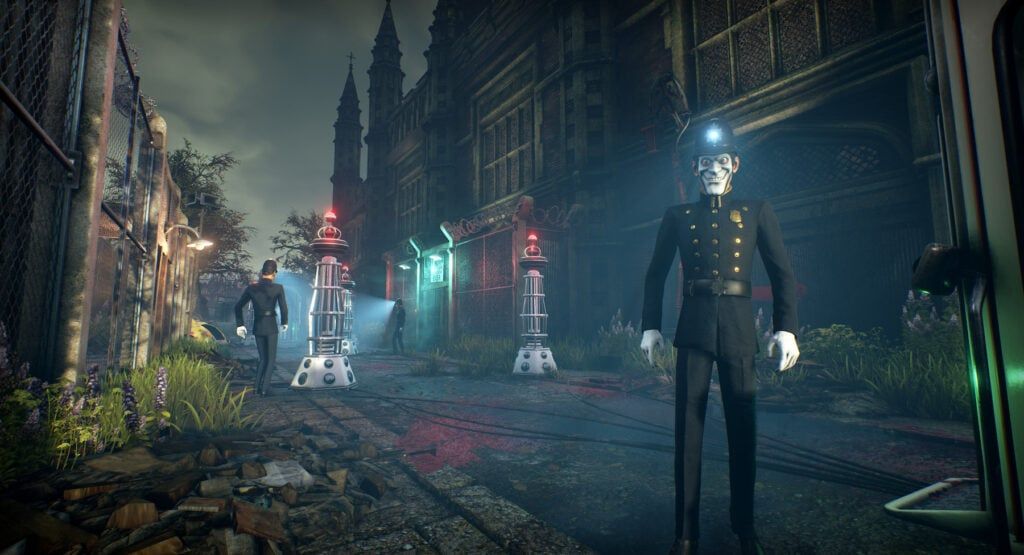
The concrete change is bigger than a logo swap. Provost told GamesBeat that Compulsion owns its IP again, including Contrast, We Happy Few, and South of Midnight, and that publishing rights are transferring back to the studio. He also said that buying Compulsion’s games now supports the studio as a result of the change, while acknowledging that store and platform-holder transitions take time.
That creates the immediate tension around the Compulsion Games buyout. The studio has escaped closure, according to GamesBeat’s framing of the alternative, but it has done so by moving from Xbox’s platform security into the funding, publishing, and partnership problems that define independent development.
How the split from Xbox happened
The buyout followed Microsoft’s July 2026 restructuring of Xbox. VGC says Xbox announced plans to cut thousands of jobs as part of what CEO Asha Sharma called “the most significant restructure in Xbox history.” GamesBeat reported that Microsoft was divesting itself from five game studios and laying off 3,200 people, with half of those cuts immediate and half coming over the next year. IXBT describes the same wave as approximately 1,600 job losses with an equal number expected later, which appears to describe the immediate and future halves of the total rather than a separate figure.
Compulsion was one of the studios affected by that reset. Instead of being closed outright, the studio negotiated a deal to leave Xbox and become independent again. GamesBeat reports that the transaction was a management buyout, meaning management acquired the studio and staff. The financial terms were not disclosed.
Provost’s account suggests the exit was negotiated under pressure, but not as a hostile break. DualShockers, citing GamesBeat, quotes him as saying that compared with everyone losing their jobs on July 6, “this is a pretty good deal,” and that the exit was “gracious on Microsoft’s part.” That distinction matters because the studio did not simply walk away from Xbox. It left through a structured transition in which IP and publishing rights are being moved back to Compulsion.
Why staying together became the core objective
Provost has been unusually direct about the reason he pursued the deal. “I did this deal for the team first and foremost,” he told GamesBeat. “I asked the team: ‘Do you want to stay together?’ The team told me we would rather eat rocks and drink gasoline than be split up.” VGC also highlighted that quote in its report on the completed separation.
That line is memorable, but the business point behind it is sharper. For a studio such as Compulsion, continuity is part of the production pipeline. Its catalog has leaned on stylized art direction, atmosphere, and narrative identity across Contrast, We Happy Few, and South of Midnight. When that kind of studio is broken apart, the loss is not limited to headcount. It loses shared tools, instincts, internal trust, and the accumulated taste that makes its games recognizable.
The preservation was not total. VGC reports that some staff left Compulsion or started looking for jobs when Provost told the team the studio faced closure. Provost did not disclose the current team size, according to DualShockers, but he said the majority of those at the company before the buyout chose to remain, and VGC reports that most of the studio leaders stayed with the team.
That is the strategic heart of the Compulsion Games independent studio story. The studio avoided the worst outcome, but it did not leave Xbox untouched. It now has to convert morale and continuity into a workable business plan before the runway created by the buyout becomes the next constraint.
The IP transfer changes the economics of every sale
The most practical near-term change for players is where money goes. Provost told GamesBeat that if anyone buys a Compulsion Games title now, the revenue goes to supporting the studio rather than Microsoft. He also said, “Buying the games is supporting the studio as a result of that change.” VGC similarly reports that sales of games such as South of Midnight now directly support Compulsion.
There is one caveat. Provost said publishing rights are transferring back to Compulsion, but there is a transition period with different platform holders. GamesBeat specifically notes that Compulsion still has to assume ownership of its games across the Switch, PlayStation, and Xbox stores, while the Steam version of South of Midnight gave observers an early clue that Microsoft had transferred IP ownership back to Compulsion.
For players, that means the cleanest confirmed guidance is simple: purchasing Compulsion’s games is now meant to support the independent studio, but storefront metadata and publishing details may not update everywhere at the same speed. If a buyer is trying to verify who is listed as publisher on a specific platform, the store page may lag behind the legal and business transition.
Independence gives Compulsion control, but removes Xbox’s safety net
Compulsion’s independence gives the studio control over the IP that defines its past and could shape its future. That matters because South of Midnight, We Happy Few, and Contrast are no longer locked inside Xbox’s portfolio decisions. If Compulsion wants to patch, discount, repackage, port, revisit, or pitch those games as part of a broader publishing strategy, the rights question is now moving in its favor, according to Provost’s comments to GamesBeat.
Control does not solve funding. GamesBeat reports that Provost is meeting with various parties to secure a stable future for the studio and is exploring alternatives for permanent funding. VGC also reports that Compulsion is talking to other companies about potential partnerships. Last month, according to VGC, the studio posted on LinkedIn offering collaborative work to other studios that may need a partner.
That is a familiar independent-studio tradeoff. Xbox studio independence can mean faster decision-making and stronger ownership of creative identity, but it also means every project has to survive budgeting, milestone financing, and publishing negotiations without a first-party parent absorbing risk. From a strategy angle, Compulsion’s next few moves will likely be about optionality: keep internal development alive, use collaboration to stabilize cash flow, and avoid committing the whole studio to a bet before funding is secure.
Provost’s own framing fits that leaner model. DayOne quotes him from GamesBeat saying that tough times can force companies to build “the right bones,” becoming thrifty and lean because of the economic context. That is an optimistic interpretation, but the confirmed fact underneath is that Compulsion is still searching for its permanent funding structure.
What is known about Compulsion’s next project
Compulsion has not announced the title, platforms, release window, price, publisher, or business model for its next project. The confirmed information is narrower: VGC reports that part of the team is working on a title that was already in development when Microsoft announced plans to close the studio. DayOne likewise reports that the project began under Xbox and has gone with Compulsion during the transition to independence.
That makes the next project the biggest unanswered question after the buyout. If the game started under Xbox, it may have been conceived with Xbox’s portfolio needs, funding assumptions, or Game Pass strategy in mind. As an independent studio, Compulsion may need to reshape the scope, schedule, platform plan, or publishing arrangement around new partners. None of those changes have been announced, so they should be treated as possibilities rather than facts.
The studio’s history gives some context, but not a prediction. GamesBeat describes Contrast as a 2013 puzzle-platformer, We Happy Few as a 2018 survival horror game with first-person exploration, and South of Midnight as a 2025 third-person fantasy action adventure. Across those projects, Compulsion has moved between genres while keeping a taste for stylized worlds and narrative atmosphere. The next game could continue that identity, but the studio has not said what form it will take.
For now, the best reader guidance is to separate support from expectation. Buying the existing games helps the newly independent studio, according to Provost. Waiting for details on the next project is still prudent, because no release timing, platforms, funding partner, or gameplay pitch has been confirmed.