
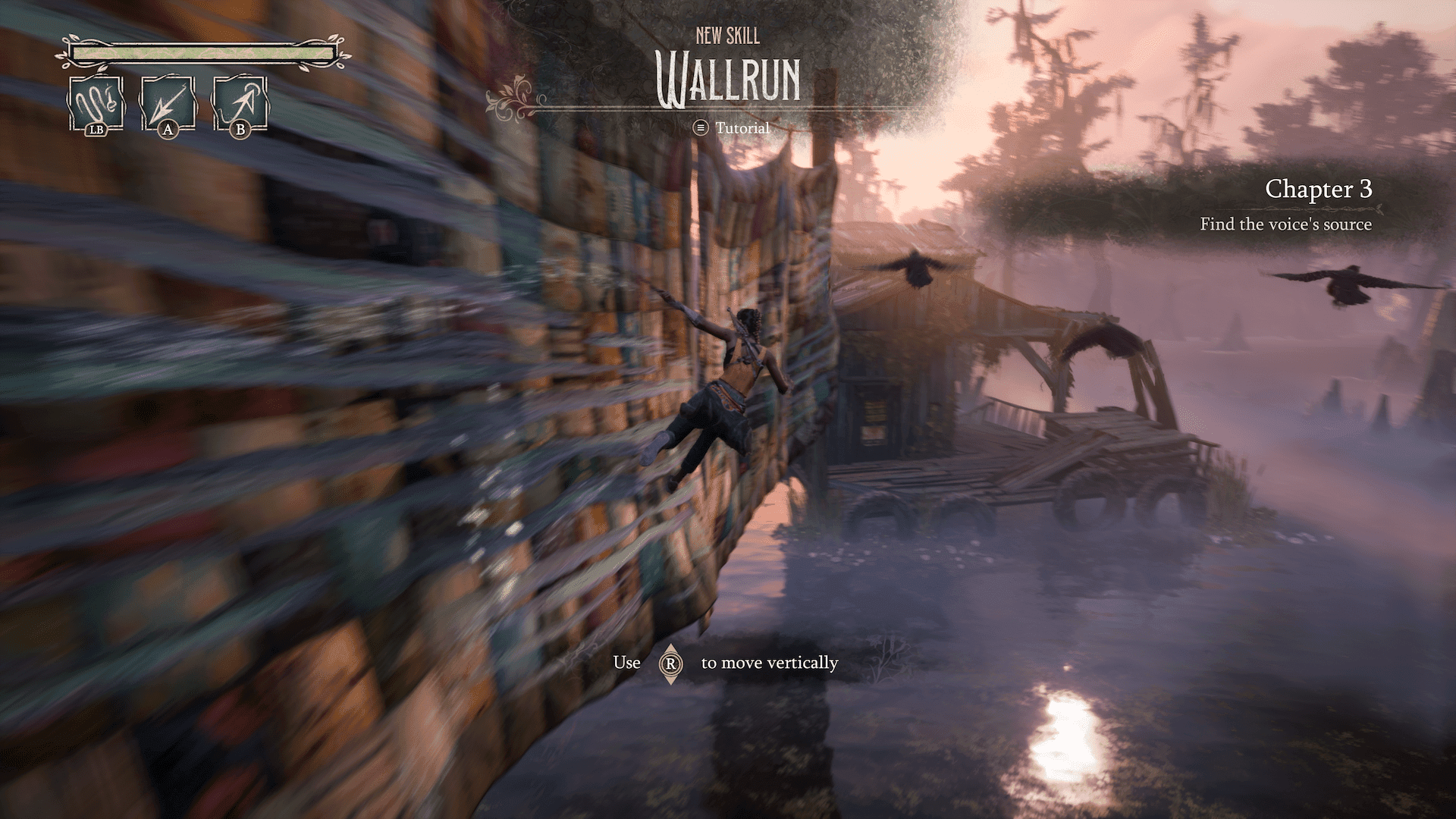

The South of Midnight studio says it is open to collaborations after leaving Xbox, raising questions about whether its next chapter is co-development, support work, or another original game.
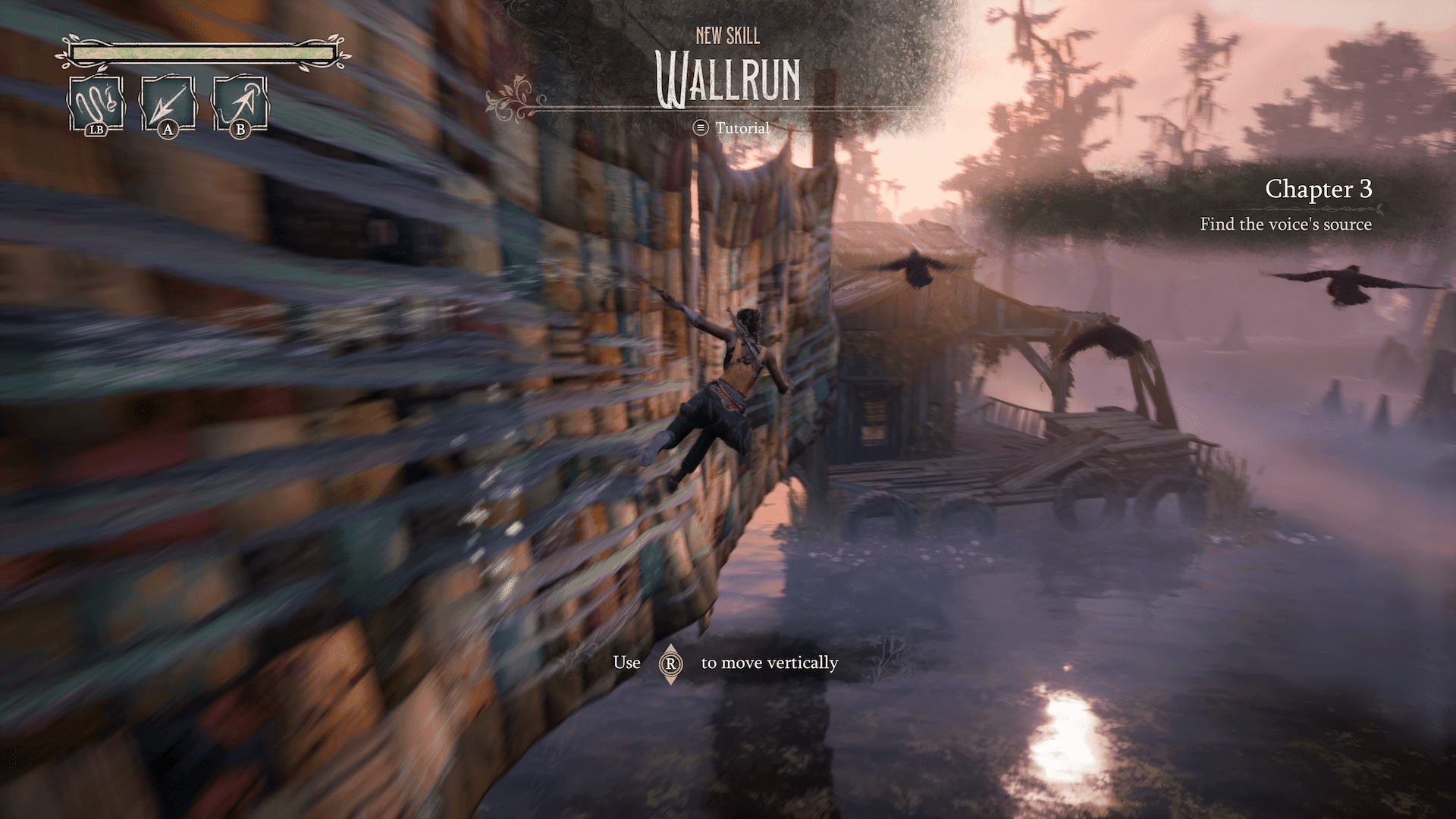
Image: theverge.com
Compulsion opens the door after leaving Xbox
Compulsion Games has publicly told the industry it is looking for collaborators, one week after reports that the South of Midnight studio returned to independence following Xbox’s latest restructuring. In a LinkedIn statement quoted by IGN, Twisted Voxel, and Wolf’s Gaming Blog, the Montreal developer said that, “With Compulsion Games returning to its roots as an independent developer, we are expanding opportunities to collaborate with studios across the games and entertainment industry.”
That is the hard news. The tension sits in the wording. Compulsion is not announcing a new game, a publishing partner, a platform plan, or a release window. It is advertising capacity, creative identity, and availability at a moment when Xbox’s first-party map has been redrawn by layoffs and studio divestments.
IGN reported that Compulsion “avoided closure” amid Xbox Game Studios’ mass layoffs by negotiating its independence. Twisted Voxel described the move as part of Microsoft’s 2026 restructuring and reported that Compulsion retained its existing catalogue and intellectual properties as it left Xbox. Wolf’s Gaming Blog similarly framed the studio as independent again for the first time since Microsoft acquired it in 2018.
For readers tracking the future of South of Midnight’s developer, the important split is this: Compulsion Games independent status is confirmed by the studio’s own phrasing and by multiple outlet reports, but the shape of its next project is still unannounced.
What Compulsion actually said, and what it did not say
Compulsion’s statement is broad, but not empty. According to Twisted Voxel’s transcription of the LinkedIn post, the studio invited partners to “leverage the talent and creativity of the award-winning team behind South of Midnight,” and said the game had been honored with a BAFTA Award, a Peabody Award, seven Canadian Game Awards, and placement on multiple “Best Games of 2025” lists. The studio also pointed to its experience creating original intellectual property, citing its artistry, technical expertise, and collaborative approach.
IGN’s read of the post was that the former Xbox studio appears open to support work and/or co-development on another team’s project. Wolf’s Gaming Blog offered a similar interpretation, suggesting the language could point toward contract work such as co-development, outsourced production, support, art and animation, technical assistance, pre-production, or work with an entertainment company adapting a property into a game.
Those are interpretations of the public pitch, not announced deals. Compulsion did not name a partner. It did not say it has signed work-for-hire contracts. It did not confirm whether its next internally led project is already in development. It also did not say whether any future South of Midnight-related work is planned.
That distinction matters for a newly independent studio because collaboration can mean very different things. A support-studio role can keep teams employed and cash flow steadier. A true co-development agreement can put Compulsion’s stamp on a larger project while sharing production risk. A publishing deal for an original game would be the boldest swing, but also the one that usually carries the longest runway and the highest financial exposure.
South of Midnight is the calling card and the complication
Compulsion is selling itself through South of Midnight, and there is a reason for that. The 2025 action-adventure game gave the studio a sharp identity: a gothic Southern folktale, a distinct heroine in Hazel, and a visual and musical personality that stood apart from Xbox’s more familiar franchise machinery. IGN said South of Midnight received an 8 out of 10 from the outlet and pointed to its “Generally Favorable” Metacritic rating. Twisted Voxel, quoting Compulsion’s own post, highlighted the awards the game received.
The commercial and design picture is less clean. Wolf’s Gaming Blog praised South of Midnight as beautiful, with strong music and acting, but criticized its gameplay and said it did not bring in a big paying audience. Windows Central’s source text described South of Midnight as one of Xbox’s best new games from the prior year while also saying it was not a commercial hit.
Those accounts do not cancel each other out. They describe the bind Compulsion now has to escape. As an action-adventure studio, it has shown it can frame a journey, stage a world, and make a game feel authored. The harder question is whether its next project can match that presentation with systems that carry the player across an entire campaign: combat rhythm, encounter variety, traversal pressure, and the repeated moment-to-moment verbs that determine whether an adventure keeps its momentum after the opening wonder fades.
If Compulsion partners with another team, the fit will matter. A collaborator strong in combat design, progression, or large-scale production could help the studio protect its atmosphere while tightening the play loop. A partner looking mainly for art, narrative, animation, or worldbuilding support might use Compulsion’s strengths without asking it to lead the entire mechanical spine of a game. Both paths are plausible from the language in the LinkedIn post. Neither is confirmed.
Xbox’s reset changes the stakes for a former first-party studio
Compulsion’s outreach lands in the shadow of a broader Xbox contraction. IGN reported that Xbox’s split with Compulsion, Double Fine, Undead Labs, Ninja Theory, and Arkane came as the first-party publisher looked to focus on its biggest franchises. The same IGN coverage notes that Microsoft acquired Compulsion in 2018 after the studio had developed We Happy Few and Contrast.
That history gives the current moment its edge. Compulsion entered Xbox as part of a wave of studio acquisitions meant to broaden Microsoft’s first-party identity. It now exits in a climate where, according to IGN’s reporting, Xbox is emphasizing its largest franchises. For a studio known for original, stylized projects rather than guaranteed blockbuster brands, independence can restore creative control while removing the shelter of a platform holder’s funding structure.
Twisted Voxel’s report that Compulsion retained its existing catalogue and IP is significant if accurate, because ownership gives an independent studio leverage. It can pitch sequels, spiritual successors, adaptations, or entirely new ideas from a stronger position than a team leaving empty-handed. Still, IP ownership does not pay salaries on its own. That is where Compulsion Games collaborations become a practical signal as much as a creative one.
The studio’s message reads like an attempt to keep the camera moving before uncertainty hardens into silence. It tells publishers, developers, and entertainment companies that the team is available now, not years from now when an internally funded game may or may not be ready to reveal.
The likely paths: co-development, support work, or a funded original
The safest reading is that Compulsion is widening its options. Wolf’s Gaming Blog interpreted the post as an “open for business” message and raised the possibility of conventional contract work. IGN similarly framed the studio as seemingly open to support-studio or co-developer roles. That would be a familiar post-independence move: stabilize the business first, then decide how much creative risk to take.
For players, the difference between those models is visible in the final game, even if it is invisible in a press release. If Compulsion becomes a support partner, its name may appear in credits for another studio’s game, perhaps contributing art, technical production, narrative material, animation, or pre-production. If it becomes a co-developer, its influence could be more structural, shaping levels, encounters, or the overall campaign feel. If it secures funding for an original project, the result could resemble the studio’s past trajectory: authored worlds with unusual tone, but with the renewed pressure to prove that the play can land as strongly as the presentation.
The South of Midnight studio has a clear pitch. It can make a game look and sound like itself. It has awards to point to. It has experience building original IP. The open question is whether its next collaboration lets it sharpen the parts that critics and some players found weaker, especially the sustained gameplay layer that determines replay value and word of mouth.
There is also a timing reality. No source material indicates that a new Compulsion-led game has been announced, dated, priced, or assigned platforms. Anyone hoping for immediate South of Midnight follow-up news should treat this LinkedIn post as a business-development signal rather than a teaser campaign.
What to watch next from the South of Midnight studio
The next meaningful update will be a named partner. A publisher announcement would suggest Compulsion is pitching or building another original project. A co-development credit on a different studio’s game would point to shared production work. Hiring language could also reveal direction, especially if the studio begins recruiting for combat, systems, multiplayer, cinematics, or licensed entertainment work. None of that has been announced in the provided sources.
Players should also watch whether Compulsion talks about platforms. As a former Xbox studio, its future releases are no longer automatically defined by first-party assumptions, but the sources do not confirm any future platform strategy. Independence could mean broader platform availability, new exclusivity deals, or project-by-project arrangements. At this stage, all of those remain possibilities rather than facts.
For now, the confirmed story is narrower and sharper: Compulsion Games is independent again, it is openly seeking collaborations across games and entertainment, and it is using South of Midnight’s awards and identity as proof of what it can bring to a partner. The unanswered question is whether that next partner helps Compulsion build the kind of action-adventure that keeps its atmosphere intact while giving the player stronger reasons to stay in motion.