
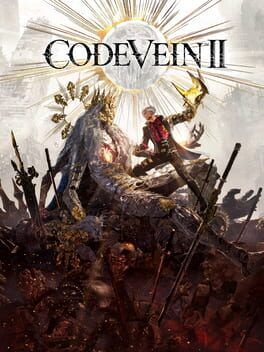
Breaking down Code Vein II’s new standalone character creator demo, how its customization stacks up to the first game and other anime action RPGs, what carries into the full release, the best cosmetics and cursed creations fans are sharing, and what this rollout says about Bandai Namco’s confidence before launch.
Bandai Namco has quietly dropped one of the most effective marketing tools an anime action RPG can have: a standalone, free character creator demo for Code Vein II on PS5, Xbox Series X|S, and PC. On paper it sounds simple. In practice it is a confident, targeted showcase of what fans actually cared about most in the first game: making incredibly detailed anime vampires.
With the full game set for January 30, 2026, this demo is not just a toybox. It is a statement that Bandai Namco and Shift know where Code Vein’s identity lives, and that they are willing to let players stress‑test it weeks before launch.
How deep is the new creator really?
The original Code Vein already had one of the most flexible anime character creators in the genre, to the point that players spent more time in its sliders than in its dungeons. Code Vein II builds directly on that reputation, but the demo makes it clear this is not just a minor upgrade.
You start as a Revenant Hunter template, but almost every part of that base can be reshaped. Body type ranges are noticeably broader than the first game, with more room to push silhouettes toward towering, broad‑shouldered hunters or much slighter, delicate builds. Proportions like head size, limb length, shoulder width and chest definition can all be tuned, allowing you to create characters that read as stylized but still coherent in motion.
Face work is where the jump becomes obvious. The first game leaned heavily on preset faces and a handful of toggles. Here, you still pick from presets, but eye shape, iris style, pupil design, eyebrows, nose and mouth each offer more variation and finer control. Examples highlighted by Bandai Namco and press outlets show convincing recreations of characters with very specific facial silhouettes, something the previous creator struggled with unless you hid behind hair and accessories.
Hair options have exploded. There are significantly more base hairstyles, but the key is how many can be layered with bangs, side pieces and back styles to create combinations that look bespoke instead of "preset 12 with a hat." Color work is richer too, with gradients, multi‑tone highlights and more control over saturation, so you can actually dial in that washed‑out pastel or metallic sheen instead of a flat anime color block.
Compared to other current anime‑leaning action RPGs like Scarlet Nexus or even Soulslikes with strong aesthetic hooks, Code Vein II’s demo comes off as dramatically more granular. Where others give you enough knobs to make a character that loosely resembles your idea, this demo gives you enough to chase very specific references.
Layered cosmetics and outfit building
Cosmetics were already the heart of the first game’s meta, and the sequel leans even harder into layered fashion. Outfits in the demo are built from base costumes plus multiple accessory slots, and accessories are no longer just afterthoughts. Horns, eyepatches, veils, floating halos, belts, scarves and even oversized pauldrons can be resized, repositioned and recolored, meaning you can stack them into entirely new silhouettes.
This goes beyond the typical "hat slot" many action RPGs provide. Want to build a masked executioner covered in layered belts and hanging chains, with a veil of hair obscuring one glowing eye? The demo can do that. Want a clean, modern streetwear‑inspired hunter with a simple jacket, cropped top and understated earrings? Also doable, even if Code Vein’s aesthetic still skews hard toward goth fantasy.
One subtle but important improvement is how well these cosmetics sit together. The first Code Vein sometimes produced clipping or awkward collisions when you went too wild with accessories. Early footage from the new demo shows more deliberate placement rules and better collision handling, so extreme builds hold up better in animation.
Photo Mode and environment previews
The character creator demo is not just a static room of menus. After you build a Revenant Hunter, you can walk around the MagMell Institute hub, hit the hot spring to see different lighting conditions, and jump into Photo Mode to test poses, angles and filters.
This has two practical effects. First, you can see how fine details like eye color, subtle scars or fabric texture hold up under harsher lighting, not just the flattering creator booth spotlight. Second, it pushes the game straight into social media feeds, since Photo Mode is built for screenshots and sharing.
Bandai Namco’s own messaging encourages this, and it is already working. Social channels and the Code Vein subreddit are filling up with side‑by‑side comparisons of characters under different lighting setups, which doubles as an organic showcase of the game’s rendering upgrades over the first title.
Save data and how it carries into launch
The most practical hook of the demo is that your creations are not throwaway. The demo provides a hefty 64 save slots purely for character appearances, and those appearances transfer directly into the full version of Code Vein II.
The process is straightforward. You save a look using the appearance save function in the customization menu, rather than just a quick preset. Those appearance files are what the full game will read on launch, so anything you build now can become your starting protagonist when the hunt begins.
For returning fans who spent literal hours sculpting characters in the original demo only to re‑create them in the full game, this is a quality‑of‑life fix and a psychological nudge. It turns the demo into the prologue to your build, not a separate toy. For Bandai Namco, it also guarantees that anyone who falls in love with a creation feels an extra pull to pick up the full release.
Standout looks and cursed creations
Bandai Namco, media previews and early players wasted no time pushing the creator to its limits. Official and press coverage already points to uncanny recreations of characters like Tekken’s Jin Kazama and Katamari’s Prince, which is a polite way of saying the system is flexible enough to break out of Code Vein’s own cast entirely.
Community efforts are going far stranger. Players are exploiting the accessory layering to build horn crowns, halo stacks, pseudo‑mecha visors and mask arrays that completely rewrite the silhouette of the head. Others are leaning into the more generous body sliders to produce lanky, almost marionette‑like hunters or tiny, heavily armored gremlins that look just slightly wrong in a very deliberate way.
This is where the "go make some absolute freaks" tone of coverage from sites like GameSpot is coming from. Code Vein II’s tools do not just let you make a cooler version of yourself; they let you push into the kind of uncanny anime monstrosities that fit the game’s universe without looking like bugs.
At the same time, the creator supports surprisingly grounded builds. Soft, natural faces with light makeup, muted color palettes and practical outfits are all achievable. That range, from credible protagonist to fashion disaster to outright horror, is part of what elevates this above many contemporary character creators.
How it stacks up to the first game and other anime ARPGs
Side by side with the first Code Vein, the sequel’s creator feels like a full generational step. The core structure is familiar, which is good for returning players, but nearly every category has been expanded: more base items, more sub‑categories, and more fine control once you pick them.
Hairstyles no longer feel like a collection of big statement cuts with a few minor variants. Instead, they are building blocks. Eye options include more exotic iris and pupil designs that suit the blood‑driven Revenant theme, while also offering softer, human‑like looks. Outfits place more emphasis on mixing hard armor lines with flowing cloth, which plays better with movement and physics.
Compared to other anime action RPGs, especially those that keep creators simple to maintain a fixed tone, Code Vein II is unabashedly maximalist. A closer comparison might be something like a modern MMO creator or a robust character suite in a fighting game, but even then, the way you can stack and position accessories to reshape silhouettes is unusual.
It is not perfect. Early Steam impressions flag some rough edges in the PC demo and a learning curve to the interface. But in terms of raw possibility space, this easily sits near the top of the anime‑styled character creation heap.
A marketing tool built for screenshots
From a business perspective, the character creator demo is a sharp piece of timing. It hits in the final stretch before launch, gives players something tangible and replayable, and directly feeds the kinds of content that travel fastest in online communities: screenshots and short clips.
Because every look is future‑proofed by the save‑data carry‑over, experimenting does not feel wasteful. That encourages players to fill all 64 slots, post their lineups, swap appearance codes and iterate publicly. In doing so, they are effectively doing free concept promo work for Bandai Namco, showing off the game’s rendering, animation and art direction through their own creations.
It also signals confidence. Letting thousands of players poke at your visual tools weeks before release, on every platform, leaves little room to walk back features or hide cut corners. Code Vein II is not just promising deep customization in trailers; it is letting players verify that depth for themselves.
Pair that with the recent overview and walkthrough trailers, which dive into combat, the partner system and the two‑era story hook, and you get a clear picture of Bandai Namco’s strategy. Code Vein II’s combat and world are important, but the publisher clearly understands that what made the first game persist in fan circles was how personal your hunter could feel.
In that sense, the character creator demo functions as both a vertical slice of the full release and a direct answer to the series’ biggest question: will I be able to make my perfect, cursed anime vampire again? Based on what this demo shows, the answer is yes, and then some.