
Sandfall Interactive’s Ordre des Arts et des Lettres for Clair Obscur: Expedition 33 is more than a trophy. It is another concrete step in France and Europe treating ambitious RPGs as cultural works to fund, protect, and export.
France has quietly handed the games industry one of its clearest cultural endorsements yet.
Sandfall Interactive, the Montpellier studio behind Clair Obscur: Expedition 33, has been named to France’s Ordre des Arts et des Lettres, the Order of Arts and Letters bestowed by the Ministry of Culture. For a young, independent RPG team to be elevated into the same order that has honored figures like Shigeru Miyamoto, Eiji Aonuma, Michel Ancel, and Frédérick Raynal is notable on its own. Framed in the context of Clair Obscur’s design and of French cultural policy, it starts to look like something more: a statement that big, authored video games belong in the same conversation as film, literature, and classical arts.
From new studio to cultural order
Sandfall Interactive is not an old French giant with decades of hits behind it. The team formed in the late 2010s, part of a new wave of French independents that grew in the shadow of Ubisoft’s global success but wanted sharper artistic identities and tighter creative control.
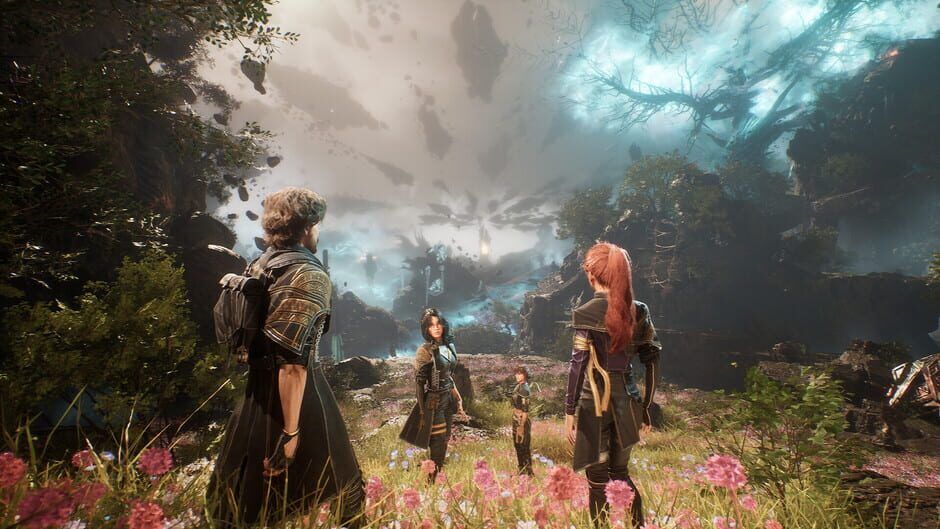
Clair Obscur: Expedition 33 is their debut project, a turn-based RPG with a heavy JRPG influence layered over a richly stylized world modeled after Belle Époque France. The game’s premise is stark: every year, a supernatural figure known as the Paintress paints a number and everyone of that age dies. You lead Expedition 33, the last age left, in a desperate journey to end the cycle before your number comes up.
What turned heads in French cultural circles is how that premise is expressed. Sandfall chose opulent, painterly art direction that feels closer to European illustration and theatrical set design than to standard fantasy tropes. The result is a world that looks and reads recognizably French in its architecture, fashion, and visual language while speaking the mechanics of Japanese-style turn-based combat.
The studio has been vocal about building a global RPG that still feels rooted in local culture. For a Ministry of Culture that spends heavily to maintain French identity across cinema, literature, and music, a premium RPG that exports those aesthetics to millions of players fits perfectly into a long-standing strategy.
Why Clair Obscur caught the Ministry’s eye
The Ordre des Arts et des Lettres is intended for individuals and organizations who make a significant contribution to the arts in France and to the “radiance” of French culture worldwide. For games, that bar has historically been high. Only a handful of game creators have been inducted, mostly legendary figures with decades of work.
Sandfall’s ascension with a single, breakout RPG speaks to how fully Clair Obscur checks the Ministry’s boxes.
Artistically, the game leans into a theatrical, melancholic tone rarely given this budget in European RPGs. The Belle Époque influence gives the world a saturated, oil-painted look, a contrast between lavish urban spaces and the decay at their edges. That visual identity is not an incidental skin. It is bound to the story’s preoccupations with mortality, class, and the weight of tradition, all recurring themes in French literature and cinema.
Mechanically, Clair Obscur shows a studio confident enough to swim against current trends. At a time when many Western RPGs chase action combat, Sandfall built a fully turn-based system with real-time input checks, almost like a rhythm game woven into classical JRPG pacing. It invites deliberation, precision, and replayable mastery rather than explosive spectacle. Critically and commercially, that gamble paid off, with the game quickly labeled a frontrunner for RPG awards and even Game of the Year conversations.
Culturally, the game is an export product. It launched simultaneously on PC, PlayStation 5, and Xbox Series consoles, and quickly built an audience far beyond French borders. That international reception matters to the Ministry. When it elevates a developer to the Order, it is also signaling that this studio is now one of France’s cultural ambassadors.
A rare company of game creators
Games remain a minority within the Ordre des Arts et des Lettres. The list of previous recipients from the medium reads like a condensed history of modern video games: Rayman and Beyond Good & Evil creator Michel Ancel, Alone in the Dark designer Frédérick Raynal, and Nintendo’s Shigeru Miyamoto and Eiji Aonuma among them.
Placing Sandfall alongside those names serves two purposes. It acknowledges that a small team working on its first major RPG can now have an impact similar in cultural weight to industry legends. It also broadens the profile of the kind of game that can be recognized. Where past honorees came from platformers, survival horror, or sweeping adventure franchises, Clair Obscur represents the premium, narrative-driven RPG as a worthy carrier of national culture.
This matters when other ministries, funding bodies, and regional programs decide what to prioritize. When France affirms that a new RPG studio belongs in the same order as legacy auteurs, it provides a reference point for future decisions about grants, tax credits, and export support.
What it signals for French and European RPG funding
France has long viewed games as a strategic cultural and economic sector, backing studios with tax rebates and funding programs like the fonds d’aide au jeu vidéo (FAJV). Yet historically, much of the attention gravitated toward either mass-market hits or avant-garde experimental work.
Clair Obscur sits in an important middle ground. It is neither a free to play live service nor a small art installation. It is a classic premium console and PC RPG that asks for a full upfront purchase and delivers a contained, authored experience. That is exactly the kind of project that can struggle to secure risk-averse funding, especially in Europe where budgets rarely reach the scale of North American blockbusters.
By honoring Sandfall, the French state is effectively validating that model. A premium RPG that carries strong local aesthetics and crosses borders is now framed as a public good worth celebrating. For studios pitching similar projects across France and Europe, this can become a concrete precedent. Citing Clair Obscur in funding applications or publisher talks is no longer just a creative comparison. It is evidence that national institutions recognize and reward this category of game.
European cultural funds often coordinate or mirror each other’s priorities. When one of the EU’s major cultural powers highlights an RPG as a flagship artistic work, it nudges broader attitudes. Other countries can point to the French example when arguing for expanded support to story-driven, console-first RPGs instead of only funding mobile titles or serious games.
Industry impact beyond prestige
The Ordre des Arts et des Lettres is primarily an honor, not a grant. Sandfall does not automatically receive funding as part of the decoration. Yet in the games industry, perception moves capital. Recognition makes it easier to secure the next project’s budget, hire top-tier talent, and convince partners that a studio is a safe long-term bet.
For Sandfall, that likely means more leverage when negotiating with publishers or investors for future RPGs or expansions of the Clair Obscur universe. For their peers in the French and European RPG scene, it sets expectations: ambitious, visually authored RPGs are not marginal experiments. They are emerging as one of the continent’s marquee exports.
On the platform side, success stories like Expedition 33 help PlayStation, Xbox, and PC storefronts justify featuring non action-centric titles and giving prime marketing space to turn-based RPGs from outside Japan. If those games carry a badge of cultural recognition, platform holders also gain prestige by association when they showcase them.
Another step in games’ mainstream artistic recognition
The games industry has spent decades arguing that games are art. What is changing in 2025 is not the rhetoric but the institutional follow-through. Cultural orders, museum exhibitions, and state-backed funding are starting to align behind specific projects that make the case on their own merits.
Clair Obscur: Expedition 33 is one of those projects. It is mechanically uncompromising, visually authored, and thematically focused, and it wears its French identity openly while embracing Japanese RPG traditions. For a Ministry of Culture tasked with stewarding national identity in a global media landscape, that combination is exactly what “art” looks like: distinctive, exportable, and deeply crafted.
Sandfall Interactive’s knighthood in the Ordre des Arts et des Lettres will not be the last such honor games receive, but it may prove to be one of the most strategically important. It signals to studios across France and Europe that if they build bold, premium RPGs grounded in their own cultures and willing to defy trends, the institutions that once hesitated to embrace games are now ready to stand behind them.