
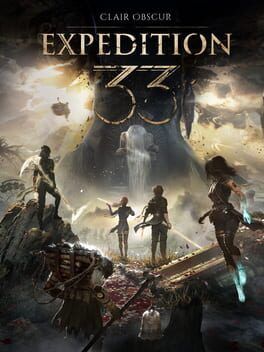

How Clair Obscur: Expedition 33 turned a daring combat system, painterly art direction, and meticulous narrative craft into near-total domination at the 2026 Game Developers Choice Awards.
In a year stacked with heavy hitters, it is not just that Clair Obscur: Expedition 33 leads the 2026 Game Developers Choice Awards. It is how thoroughly Sandfall Interactive’s debut RPG has threaded itself through almost every major category that marks it as something more than a simple awards-season favorite. This is what a modern classic looks like while it is still fresh in everyone’s hands.
The 26th annual GDCAs have Clair Obscur up for eight of the nine possible awards. It sits in the Game of the Year lineup alongside Blue Prince, Donkey Kong Bananza, Ghost of Yōtei, Hollow Knight: Silksong, and Split Fiction, but that headline undersells the breadth of its reach. It is also nominated for Best Debut, Best Narrative, Best Design, Best Visual Art, Best Audio, Best Technology, and the Innovation Award. The only box it does not tick is Social Impact. For a first project from a new studio, that spread is astonishing.
Because the Game Developers Choice Awards are voted on by peers from the International Choice Awards Network, this is as direct a signal as the industry offers about what working designers, artists, and engineers think “great” looks like in 2026. Clair Obscur is not just loved by critics or buoyed by fan hype. It is being endorsed across disciplines by the people who would be the hardest to impress.
Those nominations sketch a clear profile of the game’s design strengths. Best Design and Innovation together point to the combat system that first put Expedition 33 on everyone’s radar. On paper, it is a turn-based RPG inspired by the lineage of Final Fantasy X and Lost Odyssey. In practice, it fuses that classic structure with real-time inputs, timing windows, and spatial awareness. Attacks can be enhanced by precise button presses, defenses hinge on parries and dodges, and enemy telegraphs demand the kind of focus usually reserved for action games.
That hybrid approach is exactly the kind of risk that often gets lost in the noise of a crowded release calendar. At the GDCAs, it becomes a talking point. Best Design nods reward how carefully these ideas are paced and taught. The game opens with manageable encounters that make the rhythm of offense and defense feel natural, then layers in multi-phase bosses, status effects, and party synergies that force you to think about rows, ranges, and cooldowns. Innovation locks in because this is not novelty stacked on top of systems, but a rethinking of what a turn-based encounter can feel like in the hands.
The Best Technology nomination reinforces that none of this is smoke and mirrors. Underneath the painterly surface there is precise, low-latency input handling, aggressive streaming of large, detailed environments, and a complex animation system that supports both cinematic storytelling and tight combat feedback. When designers vote on a tech award they tend to reward games where technology disappears into feel. Clair Obscur’s responsiveness is a big part of why long encounters remain tense rather than tedious.
Then there is Best Visual Art, which Clair Obscur was destined to contend for from the moment its first trailer spread across social feeds. The game’s reimagining of Belle Époque France as a dreamlike, crumbling world under the shadow of the Paintress gives it an instantly recognizable identity. Ornate Parisian facades are draped in melancholy colors. Costumes mix high fashion silhouettes with fantastical ornamentation. Every new region feels painted into existence.
Crucially, this is not just about surface prettiness. The nomination reflects how the art direction feeds directly into play and story. Visual language makes enemy archetypes readable at a glance, guiding split-second defensive decisions in combat. Environmental composition pulls the eye toward subtle environmental storytelling, from murals that foreshadow coming twists to props that quietly hint at what the world lost across thirty three doomed “Expeditions.” The GDC jury’s enthusiasm suggests the team’s concept work, lighting, and UI design have cohered into a style that is not easily mistaken for anything else on the market.
Audio rounds out the sensory assault. A Best Audio nomination puts composer and sound team in the same conversation as some of the biggest franchises in the world. Clair Obscur’s soundtrack leans on strings and piano, but it is the way motifs evolve across the journey that lands with critics and players alike. Character themes fracture and recombine as relationships strain. Battle tracks swell from intimate chamber pieces into full orchestral storms as the party inches closer to the Paintress.
The minute to minute sound design matters just as much. Parry cues, spell charges, and enemy windups are all tightly tuned, selling the high stakes timing of combat and compensating for the visual complexity on screen. In the quieter moments, reverb tails, distant machinery, and barely audible whispers keep the sense of oppression alive even when you are just wandering backstreets or puzzling through a side objective. For a peer voted award body, that kind of holistic audio direction is exactly what the category exists to recognize.
Best Narrative might be the most telling nomination of all, because it speaks to the heart of why the game has found such a devoted community. On its surface Expedition 33 is about an impossible mission to end a cycle of yearly catastrophe. The Paintress paints a number and those bearing it wither. The thirty third expedition is meant to break that pattern once and for all. It is the kind of premise RPG players have seen variations on for decades, but Sandfall’s execution is what has turned it into awards-season gold.
Writers anchor the story in a cast that feels grounded despite the operatic stakes. The central relationship between Lune and Gustave, and their complicated sense of duty, gives players an emotional hook as the plot spirals into questions of fate, class, and the cost of resistance. Side stories give marginalized townsfolk and minor expedition members time to breathe, often undercutting hero myths with small, painful details about who is really paying for each doomed attempt to change history.
Critics have zeroed in on how the game uses structure to reinforce its themes. Echoes of previous expeditions appear in level design, NPC dialogue, and even mechanical callbacks in late game encounters. Choices may not drastically divert the main plot, but they leave marks on relationships and on the micro histories of regions you revisit. That layered, reflective storytelling is catnip for a voting body that increasingly values narrative craft as much as spectacle.
Best Debut is the award that may carry the most emotional weight for Sandfall Interactive itself. In a year when established studios and sequels are everywhere you look, debut recognizes studios who land on the global stage with a complete, confident identity. Clair Obscur’s presence in that lineup tells a story: the team did not just deliver a one off hit, it arrived with a voice.
This is where community buzz and critical reception loop back into the awards narrative. Reviews out of launch already painted Expedition 33 as a breakout, with high aggregate scores and a tone of mild disbelief that such a boldly authored RPG could come from a relatively unknown team. But it is the player side that has really pushed the “modern classic” framing. Fan art floods timelines, cosplay of Lune’s outfit and the Expedition uniforms keeps popping up at events, and theory threads about the Paintress and previous expeditions fill subreddit sidebars and Discord channels.
The PlayStation Blog’s “Share of the Week” spotlight on Clair Obscur captured a snapshot of that energy, curating dozens of in game shots from players savoring the game’s vistas and quiet character beats. Social captures of boss arenas, reflective character close ups, and small environmental discoveries have turned key locations into landmarks in the wider gaming conversation. When everyday players are framing their own screenshots like promotional art, it is a sign that the world design has crossed into shared cultural space.
All of this is happening off the back of an earlier awards run that includes a strong showing at The Game Awards and numerous critics’ lists. The GDCA nominations feel less like an isolated spike and more like the culmination of a months long groundswell. The difference is that at GDC the votes are coming from people wrestling with similar problems in their own work. When those developers overwhelmingly single out Clair Obscur across design, tech, art, and audio, they are quietly signaling that this is a title they expect to influence their own thinking.
That is how an RPG starts to shift from “flavor of the year” to “reference point.” Already you can see designers on social media dissecting its combat pacing and camera work, environment artists trading breakdowns of its color palettes and architecture, and narrative designers citing its use of recurring visual metaphors. Developers talk about games this way when they are filing them away as touchstones, not just entertainment.
Of course, awards do not automatically make something a classic. Longevity will depend on how players talk about Clair Obscur in five or ten years, whether its combat still feels fresh after other games borrow from it, and if its themes still land for new audiences. But the 2026 Game Developers Choice Awards have given the game an unusually strong foundation for that long tail. A near sweep of nominations signals that across almost every craft discipline, Expedition 33 is operating at or near the top of the field.
Whether it walks away from San Francisco with one trophy or a haul to match its nomination count, the result is already clear. Clair Obscur: Expedition 33 has crossed a threshold. It is no longer just the stylish French inspired RPG that came out of nowhere. It is the game other RPGs will be measured against for a while, and a defining case study in how marrying mechanical boldness with cohesive art and narrative can still push a venerable genre somewhere new.