
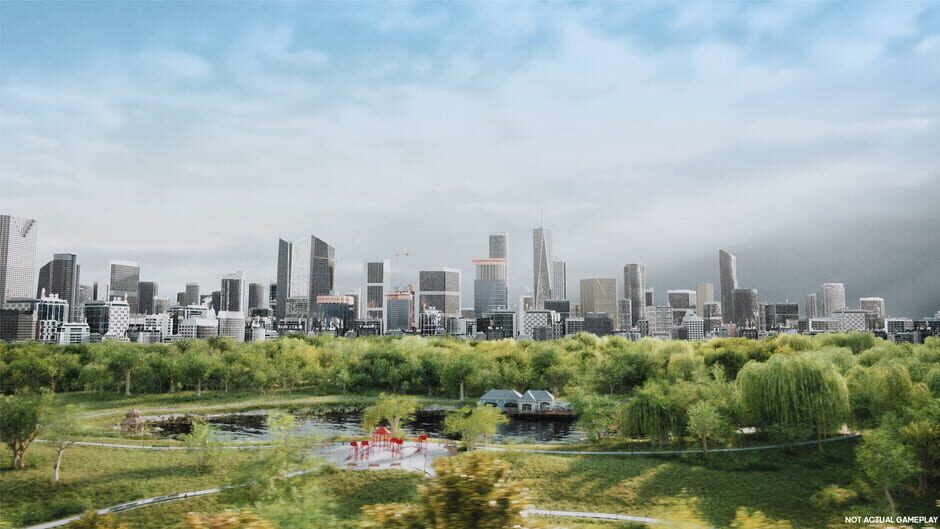
An 11th anniversary look at Cities: Skylines and Cities: Skylines 2, the new Race Day expansion and creator packs, and how Paradox is now supporting and differentiating both city-builders for PC and console players.
Cities: Skylines has reached its 11th anniversary, and instead of quietly retiring the original game in favor of its newer sequel, Paradox and Colossal Order are celebrating by doubling down on both entries. March is packed with new content across PC and consoles, and the way these updates are structured says a lot about how the publisher now sees the two city-builders living side by side.
An 11-year-old city still growing
The original Cities: Skylines launched in 2015 and quickly became the default modern city-builder. Eleven years later, it is still getting meaningful updates. For the anniversary celebrations, Paradox is giving the first game a free weekend on Steam from March 5 to 9, making it easy for anyone who has only heard about its legendary mod scene to finally try it.
More importantly, Cities: Skylines is getting a brand new expansion called Race Day on March 10. Developed with Tantalus Media, Race Day leans into the idea of cities as event spaces rather than just efficient grids of traffic and utilities. Players can host motor races, marathons and cycling events, routing courses through their streets and building dedicated venues to serve as the centerpiece of each race. It turns sections of your city into temporary festival grounds full of crowds and congestion, and asks you to manage the chaos that comes with it.
Alongside Race Day, the original game is getting two more Content Creator Packs, Iconic Brutalism and Renewed History, which layer in new building options for players who love tailored skylines. A new 8 Gear Radio station rounds out the themed content for those who like to set the right audio backdrop while they tinker.
These releases are supported by a free patch that adds roadside fences and a detailed Employment Info View. The fences are a small visual and functional tweak that help define road edges and shape neighborhoods. The Employment Info View is a more substantial quality of life upgrade, giving a clearer breakdown of where and how citizens work so that players can fine tune zoning and transit decisions. The bundle of Race Day, Creator Packs, and radio, plus a discounted Expansion Subscription, is a clear sign that Paradox is not treating Cities: Skylines as a sunset product. It is being curated as a complete package for new and returning players.
Race Day and the character of Cities: Skylines 1
Race Day fits the late-life personality Cities: Skylines has developed. Over time, the first game evolved from a pure city simulation into a playground of themed systems. Industries focused on production chains, Parklife and Campus centered on tourism and education, and now Race Day adds the spectacle of events to the mix. It is less about fundamental simulation changes and more about giving players new toys that tap into the existing foundations.
That makes sense for an 11-year-old title that has already found its balance and identity. Colossal Order can safely experiment in specific niches, knowing the base game is stable and well understood. For PC players, these expansions slot into a towering library of DLC and mods that can turn a simple town into a hyper-detailed metropolis full of custom infrastructure and cultural landmarks. For console players, carefully curated packs like Race Day help narrow the sprawl into digestible themed additions that still feel substantial.
The result is that Cities: Skylines 1 now thrives as a complete, feature rich sandbox, where new DLC is about flavor and creativity, not patching holes. Race Day continues that tradition, turning the city into a living backdrop for shared events rather than just a machine to be optimized.
Cities: Skylines 2 finds its footing with creator packs
On the other side of the anniversary, Cities: Skylines 2 is still early in its life and working through a rough launch. Paradox and Colossal Order have shifted much of the active development to Iceflake Studios, with a clear focus on performance, simulation fixes and careful content additions. The anniversary month continues that effort, but in a more measured way than the original game.
On March 18, Cities: Skylines 2 is getting two creator packs instead of a full traditional expansion. Office Evolution focuses on the look and progression of office districts, giving players building sets that move from older, boxy facades to sleek modern towers. It is a way to make central business districts feel like they have a history and a future, not just a single architectural era stamped everywhere.
City Stations, the second creator pack, expands on transport infrastructure. It introduces new compact depots, rail yards and upgraded transit hubs, giving players more flexible tools for linking neighborhoods and shaping commuter flows. For a game where traffic, pathfinding and transit networks are still under close scrutiny, improving visual and structural variety in stations is a smart move that does not risk upending core systems.
Two new radio stations, Smooth Vibes FM and Skyrail Radio, accompany these packs to give players fresh soundtracks while they work on their next megaproject. More importantly, an anniversary patch adds the Iceflake Arena signature building and extends the ongoing quality of life work. Better zoning toggles, plus continued fixes after February’s update, are part of a steady cadence of improvements designed to rebuild trust among players who bounced off at launch.
One series, two roles
The contrast between Race Day for Cities: Skylines and the creator packs for Cities: Skylines 2 highlights how Paradox is now positioning the two games. The original has settled into the role of the complete classic, a city-builder where most of the heavy simulation lifting has already been done. Its new content is expressive and playful, letting players tell stories with big set pieces like race weekends and specialized architectural styles. It is the more relaxed, endlessly expandable sandbox.
Cities: Skylines 2, in comparison, is the platform for future systemic depth. Its anniversary content is intentionally more restrained, focused on visual variety and infrastructure options that complement core systems instead of overhauling them. Developer communication and the emphasis on patches and performance show that it is still in the “build a stable base” phase. For strategy fans, that means the first game is where you go for reliability and a decade’s worth of content. The sequel is where you look for long term evolution and the possibility of more advanced simulations once the technical groundwork is fully secure.
For PC players, especially on Steam, this dual support translates into choice. There is a heavily discounted route into the original, complete with a try before you buy weekend, and a newer sequel that is improving with each update. Mod and asset creators can choose which sandbox fits their goals best, and the existence of creator packs directly acknowledges that user generated content is part of the identity of both games.
Supporting PC and console players together
Parity across platforms has always been one of the trickiest parts of supporting a city-builder. On PC, Cities: Skylines 1 is synonymous with mods, custom assets and intricate UI tweaks. On consoles, the experience has to be curated, with content delivered in manageable themed packages and performance locked to hardware limitations. The 11th anniversary roadmap suggests Paradox is more consciously designing around those differences.
Race Day’s event focused design and the new Content Creator Packs translate well to both PC and consoles. They provide eye catching, self contained content drops that console players can immediately feel in their cities without needing to dig through menu depth or rely on mod support. The free Employment Info View and fences still help everyone, but the headline features are easy to market, easy to understand and easy to use with a controller.
Cities: Skylines 2 is launching its new content on PC first, but the structure of creator packs and radio stations clearly mirrors what made curated DLC work on consoles for the first game. Once the technical side is stable enough for a console rollout, the sequel will already have a line of modular content ready for those platforms in the same way. That suggests a long term plan where both games stay active across ecosystems instead of one cleanly replacing the other.
For now, console players continue to get value from the original Cities: Skylines and its ongoing DLC cadence, while PC players can bounce between the matured systems of the first game and the evolving engine of the second. Paradox is effectively running two parallel city-building offerings that serve different moods and hardware realities.
Eleven years in, the city is still open
Eleven years is a long time for any strategy game to stay relevant, let alone one that has weathered a sequel launch that could have overshadowed it entirely. Instead, Cities: Skylines is getting fresh content like Race Day that leans into its strengths, and Cities: Skylines 2 is slowly building toward its potential through focused creator packs and steady patches.
The anniversary content is more than just a celebration. It is a statement about how Paradox intends to support both city-builders in the years ahead. One is the dependable, sprawling classic getting fun new toys. The other is a work in progress aimed at becoming the next standard bearer. For city-building fans on PC and console, that means the skyline is not just a snapshot of the past eleven years, but a promise that there is plenty of city left to build.