
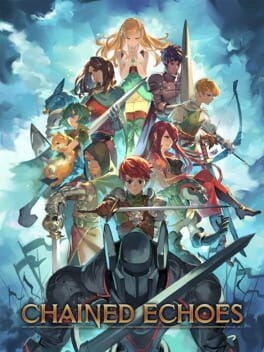

Two years after launch, many Chained Echoes backers still do not have their physical copies. As creator Matthias Linda breaks with First Press Games and prepares a lawsuit, the situation highlights how fragile physical publishing can be for small teams and collectors alike.
When Chained Echoes launched in December 2022, it was hailed as a modern classic for fans of 16 bit era JRPGs. For many of its most dedicated supporters though, the celebration has been overshadowed by a much more mundane problem: their physical copies never showed up.
In early 2026, solo developer Matthias Linda announced that he is cutting ties with physical distributor First Press Games and preparing legal action over physical editions that were supposed to ship more than two years ago. Aside from a standard PlayStation 4 version, the promised retail and collector runs are still missing, leaving Kickstarter backers and late pre order customers in limbo.
The dispute has quickly grown beyond one indie RPG. It has become a case study in how fragile physical publishing can be for small teams and why collectors who support boutique runs are taking on more risk than they might realize.
What Happened To Chained Echoes’ Physical Editions
According to summaries of Linda’s Kickstarter update and reporting from outlets like Video Games Chronicle, Nintendo Life and TechRaptor, the situation looks roughly like this. First Press Games partnered with Linda to produce physical versions of Chained Echoes, including collector focused editions for multiple platforms. These releases were heavily promoted to Kickstarter backers and fans who wanted the game preserved on disc or cartridge rather than only on digital storefronts.
Those editions were expected to arrive long ago. Instead, only a standard PS4 print appears to have made it into customer hands. Other promised SKUs, including more elaborate collector editions, never materialized. Linda describes repeated delays and missed milestones, and says that despite the long wait, backers have still not received what they paid for.
Faced with that breakdown, Linda has now ended the business relationship and is preparing a lawsuit against First Press Games. Exact contractual details have not been made public, and he has said he cannot go into specifics while legal steps are being taken. What he has been able to clarify is what comes next for players.
Backers Caught Between Loyalty And Delay
For the people who supported Chained Echoes early, the missing physical editions are not just a shipping problem. Many of those backers chose physical tiers on Kickstarter specifically because they wanted the game on their shelf, often in a collector grade package with extras.
Linda’s update, as relayed by press coverage, gives backers two options. They can request a refund for the undelivered physical copy, or they can remain in line and wait for a new physical release via a different publisher at some point in the future. That sounds straightforward, but in practice it forces a tough choice.
Anyone who opts for a refund walks away from the physical version entirely, at least for now. Given the modest print runs typical of boutique physical releases, some collectors fear they may never see a comparable edition again. On the other hand, staying in means accepting that the timeline for any replacement run is entirely unclear.
Because Linda is seeking to resolve the dispute through the courts, he has warned that new physical editions may be stuck behind legal red tape. Rights to existing production materials, unsent stock, or even design assets can all become entangled in a publishing fallout. Until that is sorted, a fresh partner cannot simply press new copies and ship them to the same backers.
The result is an uncomfortable limbo. Players have a critically acclaimed RPG available digitally on every major platform, but the physical products they paid for are frozen at the intersection of small scale publishing and contract breakdown.
From The Developer Side: One Person, Many Roles
What makes the Chained Echoes story particularly stark is that it revolves primarily around a single creator. Linda is not a large studio with dedicated business development staff. He is the designer of the game, the public face of the Kickstarter, and now the person responsible for navigating a collapsed partnership.
In theory, signing with a specialist like First Press Games is supposed to reduce that burden. Boutique physical publishers handle manufacturing, logistics and retail relationships so indie teams can focus on making and supporting the game itself. When that works, everyone benefits. The developer reaches a new audience of collectors without taking on the complex world of physical distribution. The publisher earns revenue and builds a reputation within the collector scene.
When it fails, the asymmetry between partners becomes clear. The game is out, critically successful and stable on digital storefronts, but its creator is left trying to recover funds, protect backers, and preserve the long term value of the IP. That is energy that might otherwise have gone into updates or a follow up project.
From the outside, Chained Echoes looks like an indie success story. Under the surface, this dispute shows how fragile that success can feel when core supporters are still waiting on a promised physical edition years after launch.
The Collector Edition Problem
The situation also highlights how collector editions magnify risk. These releases tend to include extra items like art books, soundtracks or display pieces, often produced to order based on pre sales. They cost more to make, require more vendors, and usually come in limited numbers.
For backers, that exclusivity is the appeal. Supporting a game early at a higher tier is a way to both help the creator and secure a tangible piece of its history. For a small publisher and a solo developer, it is also a form of manufacturing pre financing. Funds from backers help pay for production runs that would be difficult to afford up front.
The catch is that any disruption in that chain has an outsized impact. If a partner fails to manufacture on schedule, the developer is put in a bind. They can try to replicate the whole package with another company, which may be costly or impossible if the original publisher controls key materials. They can downgrade the reward, potentially disappointing the very fans who invested most. Or they can delay while trying to salvage as much of the original plan as possible.
In the Chained Echoes case, that last option appears to be what is happening now. Linda is seeking to unwind the original arrangement while still finding a way to get physical versions into player hands down the line. Until he does, collector tier backers are left waiting without a clear sense of what their final item will look like or when they will receive it.
Kickstarter Fulfillment And Reputation
Many indie success stories today start on crowdfunding platforms. Kickstarter campaigns in particular have become informal marketing launches, shaping the perception of a game years before it ships. That works only as long as backers feel that their money is turning into finished products.
Chained Echoes did most of what backers expect from a crowdfunded game. The core promise, a full length retro inspired RPG, was delivered and then expanded with additional content. On that front, the project is a rare Kickstarter example where the final game exceeded expectations.
The physical edition saga complicates that picture. Some backers did not pledge just for the code, they pledged for the box, manual and extra pieces sitting on their shelf. To them, an undelivered collector edition feels like an unfulfilled part of the campaign, even if the digital game is a success on its own terms.
Every high profile fulfillment problem feeds skepticism about physical Kickstarter rewards in general. Backers become warier of boutique publishers they have never heard of. Creators feel pressure to either simplify rewards to digital only tiers or take on more work vetting partners that they may not have the experience or leverage to fully evaluate.
For a solo developer, the reputational risk is particularly painful. Linda is not the one handling production lines and warehousing, yet in the eyes of many backers he is still the responsible party. The dispute with First Press Games is, in part, an attempt to defend that relationship with players by holding a partner to account, but the damage to trust is difficult to fully undo.
What This Says About Indie Physical Publishing
The Chained Echoes fallout illustrates several structural challenges that small teams face when they move into boxed releases.
First, physical production has a high fixed cost relative to typical indie budgets. Pressing discs or cartridges, printing packaging, and shipping inventory around the world demands cash up front and involves long lead times. A misstep at any stage can lock up a significant portion of a game’s launch revenue.
Second, legal and logistical complexity scales faster than team size. A one person or very small studio often relies on template contracts and trust when working with a boutique publisher. If the relationship sours, resolving it can eat months or years and require expertise they do not have. While that plays out, the game’s window of peak demand closes, reducing the long term value of any eventual physical run.
Third, the collector focused market indie teams aim for is intensely sensitive to delays. Limited prints rely on word of mouth and a sense of momentum. When a promised edition stalls for years, even if it eventually ships, some of the excitement that justifies a premium price is gone.
In practice, that leaves indie creators with three imperfect options for physical releases. They can partner with a larger, more established distributor and accept less favorable terms in exchange for reliability. They can work with smaller boutique outfits that specialize in collector runs but may have thinner margins and less resilience if something goes wrong. Or they can avoid physical entirely and potentially lose out on both revenue and the archival value of a boxed copy.
Chained Echoes shows what happens when the second path breaks down. A boutique partner that seemed like a natural fit for a throwback RPG instead became a bottleneck that now requires legal intervention.
A Risky Future For Boutique Physical Fans
For collectors and physical only players, the Chained Echoes saga is a reminder that not all boxes are created equal. Supporting a limited run from a small publisher is not the same as picking up a mass produced retail copy from a major label. There is more upside in terms of unique packaging and extras, and more downside if anything in the supply chain goes wrong.
None of this means that physical releases from indie teams are doomed. Several boutique publishers have built strong track records precisely by delivering on ambitious collector editions and maintaining transparent communication. What the Chained Echoes case does underline is that trust is the core currency of that niche.
When trust breaks, as it appears to have here, players are left counting unshipped boxes instead of memories with a beloved game. Developers are left trying to turn a hard learned lesson into better deals for the next project while carrying the weight of backer disappointment from the last one.
Chained Echoes remains a standout RPG whether you play it on Switch, PlayStation, Xbox or PC. Yet for the people who paid for a premium version to sit beside their favorite SNES era titles, its legacy will now always include a cautionary tale about the hidden risks of physical publishing in the indie space.