
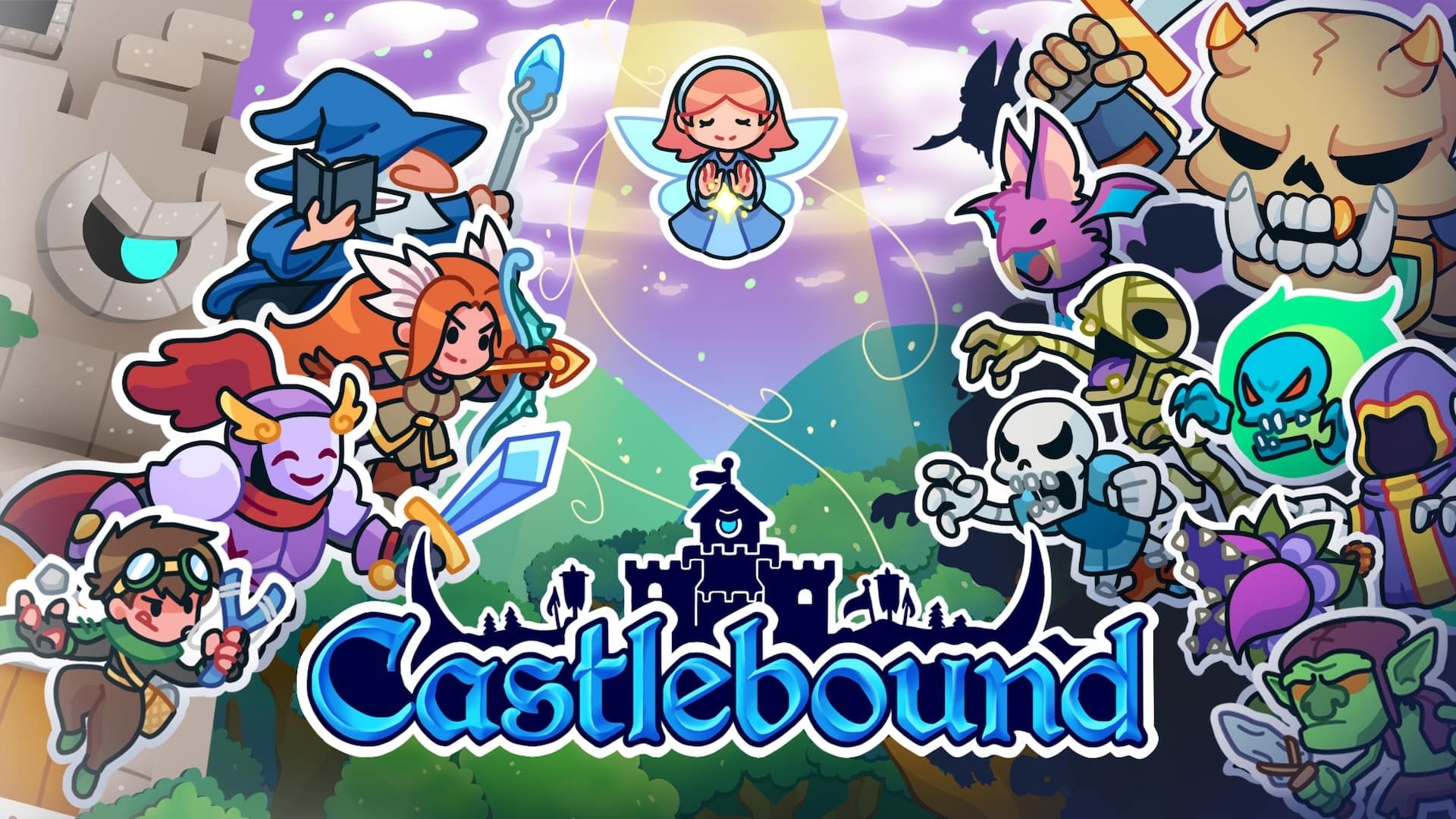

Castlebound is out now on Nintendo Switch 2, Nintendo Switch, and Steam, pairing storybook 2D action platforming with run-based upgrades and local co-op.
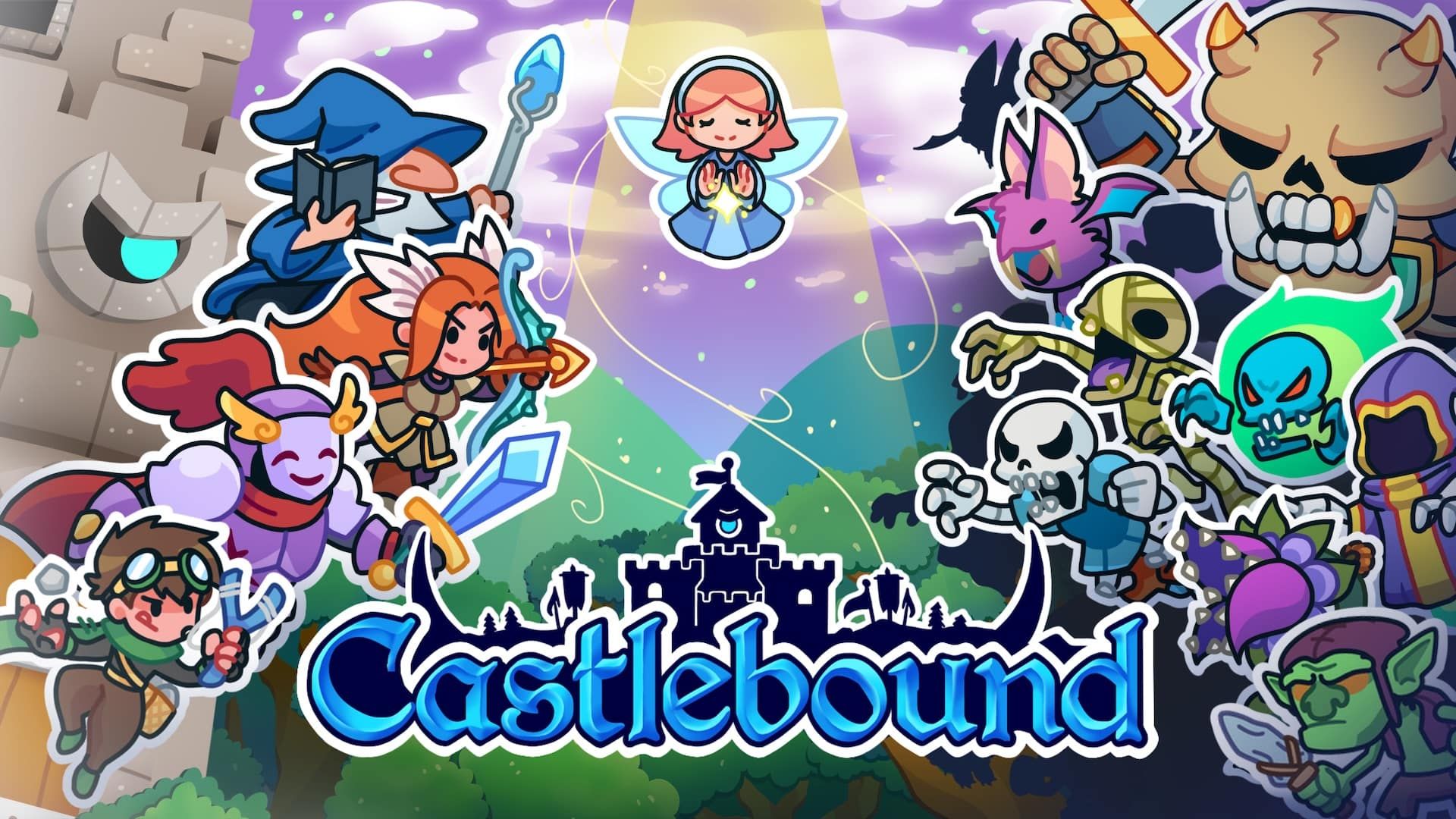
Image: nintendo.com
Castlebound is out now, with a trailer selling the run-based pitch
Castlebound has launched digitally, and Ogre Pixel is marking the release with a new launch trailer for the storybook-inspired 2D action platformer. NintendoEverything reports that the game is available on Nintendo Switch 2 and Nintendo Switch, while GamersHeroes, citing a press release and Ogre Pixel’s own launch posts, lists Nintendo Switch 2, Nintendo Switch, and PC via Steam as launch platforms.
That platform spread is the first useful detail for players deciding where to look. The Nintendo-focused coverage naturally centers the eShop versions, but the broader launch messaging confirms that Castlebound is also on Steam. The YouTube listing for “Castlebound – Launch Trailer – Nintendo Switch 2” runs 1:10, giving the game a compact showcase for its core promise: defend a walking castle, fight through fantasy zones, and keep pushing deeper through roguelike progression.
The launch arrives after Ogre Pixel announced an 11 November 2026 release date in October. A Games Press release from 14 October said Castlebound would launch on PC via Steam and Nintendo Switch 1|2 on that date, with language support for English, Spanish, French, Portuguese, Japanese, Korean, Simplified Chinese, Traditional Chinese, and German. The same release noted that the project fully funded on Kickstarter within four hours, a point Ogre Pixel repeated in launch-day comments.
A walking fortress gives the action platformer a clear center
Castlebound’s strongest hook is easy to understand: the castle is alive, moving, and under attack. The official overview shared by NintendoEverything describes a bewitched castle transformed into a walking fortress, with players rushing to defend it from forest creatures, ghosts, trolls, and dragons. That gives the Castlebound action platformer pitch a tighter frame than a standard left-to-right fantasy adventure. You are not simply clearing levels. You are guarding a mobile home base that also functions as the place where long-term upgrades happen.
Ogre Pixel’s setup follows Lenora, a skilled archer, and her grandfather Vargus after they awaken the ancient structure. NintendoEverything’s release-date coverage adds that the pair are guided by Coronya and must gather warriors to fight malevolent forces threatening the realm. The playable cast named across the official descriptions includes Lenora with arrows, Vargus with magic, Quinn with a slingshot, and Garrik with a knightly blade.
For platformer players, that matters because character identity often decides whether a small action game has legs beyond its first evening. A bow, magic, a slingshot, and a melee blade imply different ranges and rhythms, although the sources do not spell out exact movesets, frame data, cooldowns, or balance details. What is confirmed is broader: multiple heroes, different abilities and playstyles, and the option to tackle the game solo or in local co-op.
The roguelike label comes with a practical upgrade loop
The source material uses both “roguelike” and “roguelite” language, so it is worth being precise. NintendoEverything calls Castlebound a roguelike action game and describes roguelike progression. Ogre Pixel’s launch post, quoted by GamersHeroes, calls it a “1-4 player roguelite platformer,” and Steve Durán, Director and Designer at Ogre Pixel, described the project in the Games Press release as a blend of tower-defense and roguelite combat. Those labels point in the same direction, but they are not identical terms for genre purists.
The confirmed loop is clearer than the label. According to NintendoEverything’s launch coverage, players earn powerful upgrades by completing stages of non-stop platforming action. After each run, they spend Soul Coins in the castle to upgrade each hero, unlock new abilities, and push farther on the next attempt. The Games Press release similarly says that if the party falls in battle, players can spend Soul Coins inside the castle to improve heroes, unlock abilities, and increase future odds of survival.
That makes Castlebound likely to interest players who enjoy short-run structure but do not want to start a sprawling new action RPG. Based on the official descriptions, progress is tied to repeated attempts, upgrades, and survival against waves rather than a purely linear campaign. The sources do not confirm run length, total stage count, difficulty options, price, file size, or performance targets, so those remain open practical questions for buyers who want hard technical details before jumping in.
Co-op is central, but solo play is part of the pitch
Castlebound is being sold as a co-op action platformer, but the official descriptions do not leave solo players out. NintendoEverything’s launch article says players can wield one hero or join a team in local co-op supporting up to four players. Games Press states that players can defend the castle either solo or in up to four-player co-op. Ogre Pixel’s launch-day post quoted by GamersHeroes also describes Castlebound as a 1-4 player game.
That local co-op focus gives Castlebound a useful niche on Switch and Switch 2. The sources do not mention online multiplayer, cross-play, matchmaking, or Steam Remote Play support, so local co-op is the confirmed multiplayer feature here. For families, couch co-op groups, and players who like the chaos of shared-screen platforming, that is the safer expectation to bring in.
The design tension is obvious in a good way. Run-based upgrades reward repetition, while four-player co-op can introduce the joyful messiness of different skill levels sharing the same space. Durán’s Games Press quote says Ogre Pixel wanted to invite players to challenge themselves or others “at various skill levels.” That does not confirm assist settings or adaptive difficulty, but it does frame Castlebound as a game built with both challenge and approachability in mind.
The handmade storybook look is doing important genre work
Ogre Pixel is leaning hard into Castlebound’s visual identity. NintendoEverything describes the game as storybook-inspired, while the release-date article calls it a colorful co-op 2D action platformer with an arts-and-crafts aesthetic. Games Press goes further, describing “hand-crafted 2D visuals” inspired by classic storybook adventures and cartoons, with locations including mythical forests, ghostly graveyards, bone-dry deserts, and scorching volcanoes.
That art direction is not cosmetic trivia for a compact platformer. In a crowded indie field, readability and charm can be the difference between a game that looks inviting at a glance and one that disappears in a storefront scroll. The confirmed trailer and screenshots position Castlebound around bright fantasy spaces, bold character silhouettes, and a pop-up-book sensibility. Durán specifically said Ogre Pixel blended tower-defense and roguelite combat into an adventure “reminiscent of pop-up books,” according to the Games Press release.
The launch trailer is therefore doing two jobs. It announces availability, but it also has to communicate whether the game’s mix of defense pressure, platforming, and repeated runs looks legible in motion. The available source text confirms the trailer exists and identifies its Switch 2 branding, but it does not provide technical analysis of frame rate, resolution, loading, or Switch-to-Switch 2 differences. Players sensitive to performance should wait for storefront details, user impressions, or technical coverage if that is the deciding factor.
Who should have Castlebound on their radar at launch
Castlebound’s launch pitch is strongest for players looking for a smaller, immediate action platformer with a repeatable structure. The confirmed ingredients are specific: fast-paced combat, jumping and dodging, a walking castle to defend, multiple heroes, local co-op for up to four players, Soul Coin upgrades between runs, and fantasy zones built around a storybook look. That gives the Castlebound roguelike identity a practical shape rather than leaving it as a storefront buzzword.
It is also a release with some unanswered buyer questions. The sources provided do not list price, edition differences, launch discount, Switch 2 enhancements, online co-op, accessibility options, or how the Steam version compares with the Nintendo versions. NintendoEverything says Ogre Pixel is selling the game digitally, and GamersHeroes points readers to Nintendo’s store page and Steam, so digital availability is confirmed. Anything beyond that should be checked directly on the relevant storefront before purchase.
For players browsing the week’s indie releases, Castlebound may stand out because its premise is compact and mechanical: defend the moving castle, survive the run, spend the reward, try again with stronger heroes. Ogre Pixel’s community story adds another angle, with the studio and press release both noting that the Kickstarter campaign fully funded within four hours. That does not guarantee quality, but it does explain why the launch carries a warmer community-backed energy than a cold storefront drop.
If you want a fresh Castlebound trailer to decide by, the launch video is live under the Nintendo Switch 2 title on YouTube. If you want the safest purchasing approach, check whether you are buying for solo runs, local couch co-op, or Steam play, since those are the areas the confirmed platform details actually support.