

Breaking down the new shooting, goalkeeping, and battle systems in Captain Tsubasa 2: World Fighters, and whether this anime soccer sequel looks like a real competitive upgrade over Rise of New Champions.
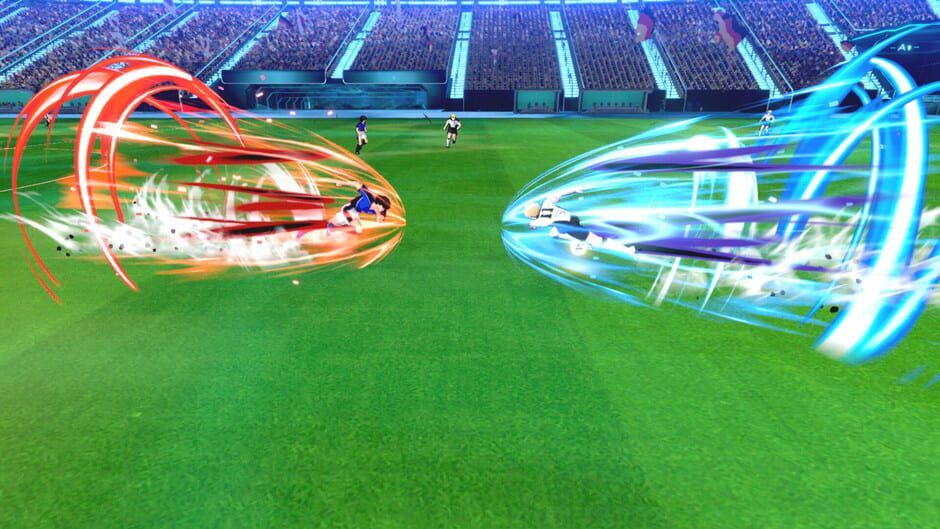
The new systems trailer for Captain Tsubasa 2: World Fighters makes one thing very clear: Bandai Namco is not trying to turn this series into a sim. This is still anime soccer, where bicycle kicks explode and fullbacks trade special moves like fighting game supers. The difference this time is how hard the sequel leans into that “football as a duel” identity, and how much more control it gives both attackers and goalkeepers in those showpiece moments.
For anyone who bounced off Rise of New Champions because it felt too automated once the cut-ins started, this follow up looks like a more hands on, timing driven take that tries to keep the spectacle while tightening the competitive screws.
Super Action Soccer, Not Just Super Shots
World Fighters builds the match flow around a “Super Action” layer that sits on top of basic passing and movement. In the first game, the most expressive moments largely lived in your shot selection and team skills. Here, almost every phase of play has been pulled into that heightened anime space.
The trailer breaks actions into several categories. Basic actions are your standard sprints, passes, and tackles, but the new dribble and tackle actions introduce their own stamina and timing considerations. Players weave, feint, and crash into each other with clearer risk and reward, instead of just mashing tackle and hoping the lock on wins.
The headline change is how Max Actions, Super Moves, the Chain System, and Miracle Actions stack together. Rather than a flat “charge until you can fire a special,” the sequel treats each clash as a short battle, then links those battles into longer pressure sequences. It is still wildly over the top, but it resembles set play construction more than just fishing for a single cinematic shot.
Shooting: From One Big Shot To Layered Pressure
Shooting in Rise of New Champions revolved around draining the keeper’s spirit with a small set of big, predictable strikes. World Fighters keeps the idea of wearing down the goalkeeper, but the systems trailer shows a structure that emphasizes layered pressure instead of isolated haymakers.
Max Actions sit at the top of that structure. These are committed versions of your core moves that burn more stamina in exchange for bigger payoff. Pushing a shot as a Max Action accelerates the charge and boosts power, but leaves your striker more vulnerable if play turns over. The decision to spend stamina on the current chance or bank it for a later one looks central to high level play.
Super Move shots still deliver the trademark Captain Tsubasa fireworks: knuckleballs that bend through defenders, co op volleys ripped from key story arcs, and character specific finishers that announce themselves with bold cut ins. What has changed is the way you get into those shots. The new Chain System rewards you for building pressure with passes, dribbles, and even Super Move tackles earlier in the move. Each successful action stores extra power and charge speed for the eventual strike.
In practice this should mean fewer random long bombs and more methodical anime build ups. You still chase that one devastating Tiger Shot style moment, but the game now cares about the three plays that led into it. For competitive players, that opens space for varied attacking identities based on how you like to build your chain.
Goalkeeping: Real Duels Instead Of Passive Punching Bags
The most promising evolution is on the other side of the ball. Goalkeepers in Rise of New Champions too often felt like scripted walls; you watched a cutscene, saw a health bar chunk off, and waited for the inevitable point where it finally broke. The World Fighters trailer shows a goalkeeper system that reframes every big shot as a true duel.
The new Goalkeeper Tactics mechanic breaks saving into three core elements. First is directional prediction: during the shot animation, the keeper commits to one of six angles. Shooters choose their target as well, and the outcome depends heavily on whether those guesses intersect. Guess right and you mitigate damage or stuff the shot outright. Guess wrong and the keeper leaks stamina, sometimes badly.
Second is stamina management. Goalkeepers now share more clearly visible stamina and break thresholds. Repeatedly forcing saves, even if they do not result in goals, chips away at the keeper’s long term ability to react. Once you crack that threshold, the keeper enters a weakened state where even routine shots become dangerous. It captures the anime feel of a harried keeper clinging on while the crowd roars, but does so through systems you actively manipulate.
Finally, the duel is not purely reactive for the defending player. Certain keeper actions seem to function like defensive Super Moves, letting you meet iconic shots with equally dramatic blocks. The trailer teases situations where you answer a Fire Shot with a full stretch, named save animation, and that interplay is what the first game often lacked. You are no longer just waiting for your gauge to run out; you are outthinking the striker in real time.
Battle Systems: Chains, Max Actions, And Miracle Swings
If the original game was “anime soccer with RPG meters,” World Fighters is trying to be “anime soccer as a fighting game.” The battle layer is more explicit this time.
Chains are the connective tissue. Each successful action in a sequence feeds into a momentum pool that powers up your eventual finisher. A strong tackle near midfield, a risky dribble through a double team, then a threaded pass can all contribute to the same chain. Break an opponent’s chain early and you do not just win the ball; you deny them the resource they were building toward.
Max Actions are the expressive high commitment buttons within that framework. Triggered versions of dribbles, tackles, and shots throw more meter and stamina into the moment. On defense, a Max tackle might blow through a standard dribble and completely reset the phase of play. On offense, a Max dribble can carry you past multiple markers at serious stamina cost, setting up your Super Move window.
Miracle Actions sit on top as rare, cinematic momentum swings. These are the trailer’s most overt nods to the anime, capturing the sudden comebacks and improbable last minute heroics that define Captain Tsubasa’s best matches. Mechanically, they appear to be tightly limited, tied to match context and prior performance rather than a simple cooldown. Used well, they look like they can flip a nearly lost game, which should make them a focal point in longer sets between competitive players.
Together, these systems aim to make every clash between two players feel like a compact battle, with reads and counter reads rather than binary success checks. How well that feeling survives latency and online play will be critical, but on paper it is a significant refinement of the original’s design.
Does It Look Like A Competitive Step Up?
From what the systems trailer shows, Captain Tsubasa 2: World Fighters reads less like an expansion pack and more like a structural sequel. The visual language, character models, and some animations are clearly building on Rise of New Champions, which matches what early coverage and fans have pointed out. If you were hoping for a wholesale visual reboot, this trailer will not change your mind.
Where it does push forward is in how those familiar assets are used. By giving both sides more to do in every clash, the game appears to reduce the number of fully scripted interactions. Attackers make more granular decisions about when to invest stamina, whether to spend their chain on a safe shot or risk a Max Action, and how many resources to throw at breaking a specific keeper. Defenders, especially goalkeepers, are now juggling prediction, stamina, and counter supers instead of just watching spirit bars drain.
For high level play, that should translate into fewer inevitable goals and more situations where a read or a bluff decides the outcome. The anime spectacle is still front and center, but now the question behind every cut in is not just “did I grind the meter enough,” it is “did I outplay the person on the other side of the pitch.”
Whether that is enough to re energize the scene that grew around Rise of New Champions will depend on execution, netcode, and balancing across its 100 plus character roster. Based on the systems trailer alone, though, Captain Tsubasa 2: World Fighters looks like a more demanding, more expressive version of anime soccer that finally gives goalkeepers and defenders the tactical respect they deserve.