
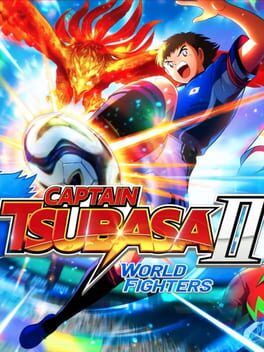

Hands-on previews suggest Captain Tsubasa 2: World Fighters is backing up its mode-heavy reveal with faster match flow, expanded Super Moves, and a clearer pitch for arcade soccer fans.
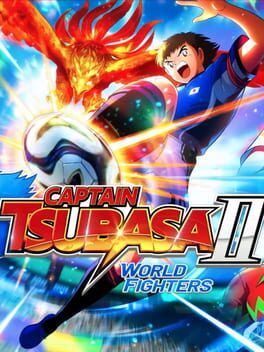
Image: IGDB
Store links: Captain Tsubasa II: World Fighters on Steam
Hands-on previews shift the focus from modes to match feel
The strongest new signal around Captain Tsubasa 2: World Fighters is not the size of its mode list, but how quickly early hands-on players say the sequel moves once the ball is live. Bandai Namco’s recent mode trailer framed the game around story, customization, national teams, and online competition. The latest preview coverage adds the more important sports-game question: does the on-field loop make that structure worth playing?
Across hands-on reports from Siliconera, MonsterVine, Gamesurf, Hardcore Gamer, and ComicBook.com, the answer trends positive, with some caveats. Siliconera described the sequel as a “more dynamic soccer game” after trying Free Practice, a Main Episode match, and Offline Match. MonsterVine, coming from the perspective of someone who said they were not especially into soccer, called the play fast-paced and flashy, pointing to quick gaps between plays and dramatic Super Shots. ComicBook.com similarly reported that the game is built to be easy to learn while adding depth through Super Moves and greater pitch control.
That is the tension in this Captain Tsubasa 2 World Fighters preview cycle. The World Fighters game modes trailer promises a broad package, but the hands-on sessions suggest Bandai Namco and developer Tamsoft are also trying to solve the harder problem that faces anime sports games: making the spectacle readable, repeatable, and approachable for players who want Captain Tsubasa arcade soccer rather than a strict simulation.
The mode reveal lays out a bigger framework than a standard arcade sports sequel
Bandai Namco’s trailer, as relayed by Nintendo Everything, confirms several core modes. “NEW STARS” Story Mode is based on the World Youth Arc and lets players experience that story through a fully customizable character on the Japanese national team. Bandai Namco says players can build that character, strengthen bonds with manga characters, learn their moves, and play alongside Tsubasa and his teammates on the world stage.
The publisher’s rundown also lists “LEGENDARY/ADVANCED” Story Mode, with new narratives and original storylines supervised by creator Yoichi Takahashi, plus “RIVALS EPISODE” side stories focused on international rivals. Player Edit, Team Edit, Practice Mode, and Regular Match round out the announced structure. MonsterVine’s report on the same video says the game will include more than 110 playable characters and 22 national teams, naming Japan, Brazil, Argentina, the Netherlands, and Mexico among them.
For a sports analyst, that matters because arcade sports games often live or die by what happens after the novelty of the first few special moves wears off. A large roster and 22 national teams give exhibition and Regular Match room to breathe, while the custom-player story setup creates a career-style hook without copying EA Sports FC’s simulation-first model. The question is whether those systems are meaningful or decorative. Hands-on previews suggest the customization and story structure are at least visible in play, not confined to menus.
Faster flow is the key improvement previewers keep coming back to
The most encouraging Captain Tsubasa 2 gameplay detail is how frequently previewers describe the match flow as active rather than stop-start. Siliconera reported that defensive control automatically snaps to the player closest to the opponent with the ball, passing sends the ball to an available player ahead, and L1 lets players swap between fielders. Dribbling, tackling, shooting, dashing, and Super Moves each have dedicated inputs, which Siliconera said kept the control scheme from becoming overwhelming, though the outlet did note that holding the shot button felt less ideal during play.
MonsterVine’s hands-on preview aligns with that reading from a different angle. The outlet said controlling a full team was less overwhelming than expected because there was usually a nearby teammate available for a pass or interception. It also highlighted quick gaps between plays and a manual goalkeeper save minigame based on directional input, calling that save interaction a cool touch. Those are practical details for arcade soccer fans because they speak to responsiveness, not only animation quality.
Gamesurf, which said it played a PC beta for several hours, described the match model as a mix of arcade soccer, RPG systems, and a touch of fighting-game logic. In that preview, basic soccer actions such as passing, tackling, and shooting are present, but special actions and counterplay drive the real contest. That framing helps explain why the sequel may feel faster even while it is packed with cinematic moves. The pace appears to come from clear button roles and constant tactical prompts, not from stripping away the anime excess.
Super Moves now cover the whole pitch, not only the final shot
The biggest mechanical expansion reported in the hands-on previews is the wider Super Move system. Siliconera notes that Captain Tsubasa: Rise of New Champions leaned on Super Shots, while World Fighters adds Super Dribbles, Super Passes, and Super Tackles. In Siliconera’s session, these actions were triggered with a dedicated R2 input when the Super Move Gauge was full, and Super Passes and Super Tackles were described as especially useful in Offline Match and a Story match against Thailand Youth.
The same report also flagged a useful difficulty signal: the CPU used those Super actions often. Siliconera framed that as a welcome level of challenge, especially when combined with Miracle Team abilities, which can be used once per match and require certain conditions. Gamesurf’s preview adds scale to the idea, saying the game features over 150 special moves and that different roles can express those moves differently, such as an attacker using a difficult-to-save Super Shot while a midfielder uses a physics-defying pass.
That changes the strategic profile of Captain Tsubasa arcade soccer. If Super actions are concentrated only on shooting, the game risks becoming a race to charge a striker. If dribbles, passes, tackles, and team abilities all matter, then midfield timing and defensive decisions gain value. The previews do not prove long-term balance, and none of the source material gives final competitive tuning. Still, the early read is that Tamsoft is trying to make spectacle part of buildup play instead of saving it for the last kick.
Story mode appears tied to match conditions rather than passive cutscenes
The mode trailer’s World Youth focus is reinforced by the hands-on reports, but the more interesting detail is how story moments appear during or around matches. Siliconera played a campaign segment connected to the World Youth Arc and Asian preliminaries, specifically citing a Thailand Youth match. The outlet said the three Konsawatt brothers gave the match emotional context because they were trying to prove to their father that they wanted to keep pursuing soccer.
MonsterVine previewed Story Mode matches against Brazil, China, and Saudi Arabia and said cutscenes before, after, and at halftime illustrated the stakes for Tsubasa Oozora and his team. Hardcore Gamer reported a more systemic hook: story matches can trigger unique events under specific conditions, with the Japan versus Thailand match reportedly changing scenes depending on whether the player is doing well or losing. Hardcore Gamer also said story challenges can unlock Side Scenarios and Link Scenarios.
That structure fits the series better than a simple ladder of matches. Captain Tsubasa has always treated soccer as drama, rivalry, and personal growth expressed through impossible athletic moments. The previewed structure suggests World Fighters is trying to make those moments reactive enough that performance changes the texture of a match, even if the sources do not yet establish how extensive those branches are across the full campaign.
The sequel looks more approachable, but not friction-free
The strongest case for World Fighters as an approachable arcade soccer game comes from previewers who were not writing as franchise diehards. Siliconera said the story segment was identifiable despite unfamiliarity with Captain Tsubasa. MonsterVine said it came away interested in both the game and the source material after entering with little soccer interest. ComicBook.com described the sequel as easy to learn and designed with new players in mind, while still gaining depth from Super Moves and pitch control.
The caveats are also worth taking seriously. MonsterVine said the mechanics took a while to get a handle on and raised concern that the gorgeous action scenes tied to certain moves could affect flow if they appear too often. Siliconera’s complaint about shooting as a held action is smaller, but it points to the same buyer-facing question: can World Fighters maintain speed once players are no longer dazzled by the animations?
Based on the previews, the answer is cautiously encouraging. The game appears to court players who enjoy Mario Sports-style exaggeration, old arcade sports pacing, or anime battle logic applied to a soccer pitch. It is less clearly aimed at players who want grounded positioning, fouls, formations, and stat-authentic match rhythm. The available source material does not provide final impressions on online stability, performance, difficulty options, or monetization, so those remain wait-and-see areas rather than confirmed strengths.
Release details still have a platform wrinkle readers should verify
The launch date reported across the supplied sources is August 28, but there is a platform discrepancy in the coverage. Nintendo Everything says Bandai Namco shared a trailer for a Nintendo Switch 2 version slated for August 28. MonsterVine’s news post says Captain Tsubasa 2: World Fighters launches August 28 for PlayStation 5, Xbox Series X|S, Nintendo Switch, and PC via Steam. Those statements are not identical, especially on the Nintendo side, where one source names Switch 2 and the other names Nintendo Switch.
Until Bandai Namco’s official regional listings settle the matter in front of buyers, players should verify the exact platform version they intend to purchase. The provided sources do not confirm price, upgrade paths, frame rate targets, cross-play, online rules for Regular Match, or PC requirements. MonsterVine’s mode-video report mentions an in-game shop with gear tied to legendary national teams, but the supplied material does not establish whether that shop is cosmetic-only, progression-based, or connected to paid currency.
For now, the practical read is simple: the mode reveal gives World Fighters the shape of a full sports package, and the hands-on previews suggest the Captain Tsubasa 2 gameplay has become faster and more expressive where it counts. Arcade soccer fans should keep it on the radar, while competitive players and platform-specific buyers should wait for final technical details and confirmed storefront information before treating the August 28 release as a lock for their setup.