

Korea's ratings board has listed 29 classic Capcom games, pointing to possible modern console plans, but PS5, Switch, pricing, and release details remain unannounced.
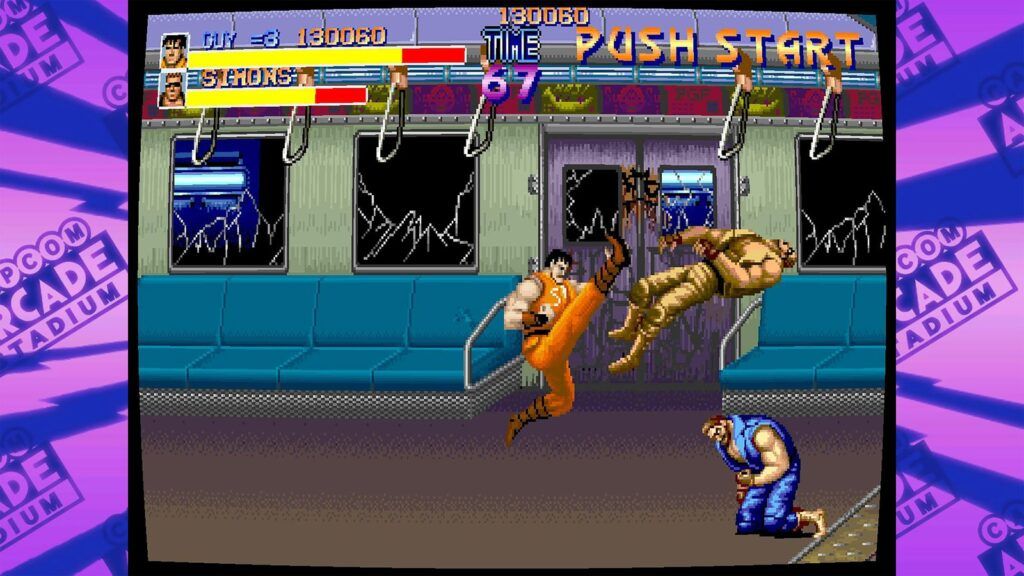
Image: techtroduce.com
Korea has rated 29 Capcom classics, but Capcom has not announced a collection
South Korea’s Game Rating and Administration Committee has rated a large group of classic Capcom games, giving retro fans the strongest public signal yet that the publisher may be preparing another archival release. The ratings, surfaced by Gematsu and linked back to the Korean regulator’s public listing, cover 29 titles from Capcom’s arcade, NES, SNES, and broader console history.
That is the confirmed part. The tension is what the ratings do not say. Capcom has not announced a new compilation, has not named platforms, has not confirmed PS5 or Switch versions, and has not provided a release date, price, feature list, or package format. TechYorker’s report similarly framed the October 27, 2026 GRAC ratings as proof that the regulator reviewed the games, while stressing that the listing does not identify a PS5 product, a launch plan, or whether the games might arrive through a subscription service instead of a standalone collection.
So the careful read is this: the Capcom console classics Korea rating is real, according to the Korean ratings board listing cited by multiple outlets. The idea of Capcom classic games PS5 or Capcom classic games Switch releases is still unannounced until Capcom says so.
The rated lineup points toward home console history rather than a pure arcade bundle
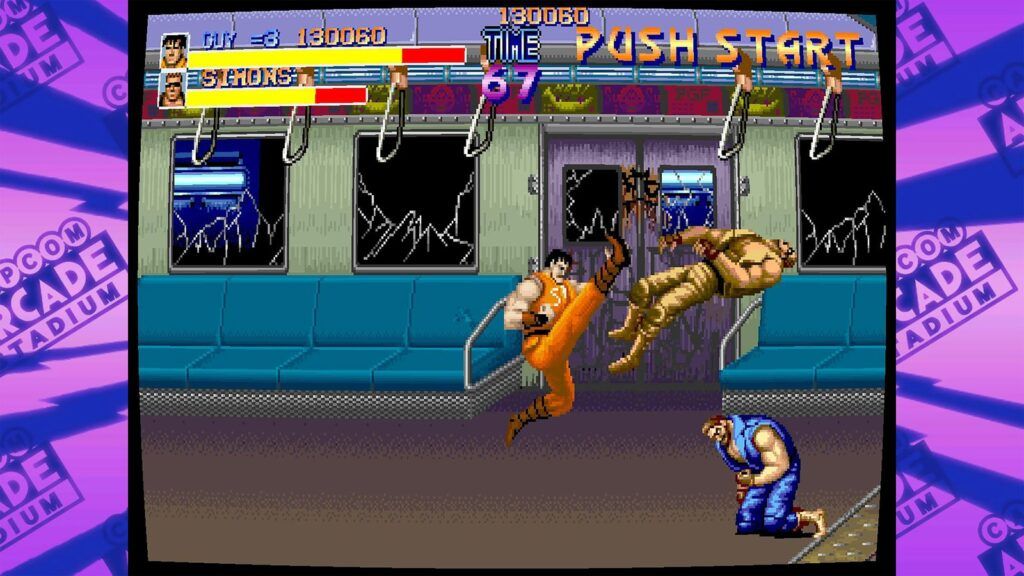
The shape of the list is what makes this ratings batch interesting. Gematsu reported that several of the rated games have already appeared in Capcom Arcade Stadium or Capcom Arcade 2nd Stadium, including 1942, Captain Commando, Commando, Ghosts ‘n Goblins, The King of Dragons, Knights of the Round, Magic Sword: Heroic Fantasy, Saturday Night Slam Masters, and Street Fighter Alpha 2. Gematsu also noted that those returning arcade-origin games eventually received major home console ports.
Nintendo Life, citing Time Extension, described the full batch as games that received home console releases, with some titles exclusive to that format. Push Square made the same distinction in practical terms, pointing out that Mighty Final Fight and Mega Man Soccer were console releases rather than arcade carryovers.
The rated titles are 1942, Breath of Fire, Breath of Fire II, Captain Commando, Commando, Demon’s Crest, Destiny of an Emperor, Final Fight, Final Fight 2, Final Fight 3, Gargoyle’s Quest II, Ghosts ‘n Goblins, The King of Dragons, Knights of the Round, Magic Sword: Heroic Fantasy, Mega Man, Mega Man 2, Mega Man 3, Mega Man 4, Mega Man 5, Mega Man Soccer, Mega Man X, Mighty Final Fight, Saturday Night Slam Masters, Street Fighter 2010: The Final Fight, Street Fighter Alpha 2, Street Fighter II: The World Warrior, Super Ghouls n’ Ghosts, and Super Street Fighter II: The New Challengers.
That mix is too specific to read as a random sweep of Capcom retro names. It pulls together platformers, beat ‘em ups, RPGs, fighting games, action oddities, and arcade conversions through the common thread of console availability. Gematsu interpreted the ratings as a sign that a new collection or compilation may be on the way, while Nintendo Life said the list has led to speculation about an 8-bit and 16-bit home release-focused package. Those are interpretations, not Capcom announcements.
The most exciting inclusions are the strange edges of Capcom’s catalog
The headline names are easy to spot. Mega Man, Street Fighter, Final Fight, and Ghosts ‘n Goblins give the list instant recognition. But the real texture comes from the less predictable selections, the games that make this feel like a console-history project rather than a greatest-hits playlist.
For platformer fans, Demon’s Crest, Gargoyle’s Quest II, Super Ghouls n’ Ghosts, Mega Man X, and the first five Mega Man games represent very different flavors of Capcom difficulty. Mega Man is about readable enemy patterns and precision routing. Super Ghouls n’ Ghosts is harsher, built around commitment and recovery. Demon’s Crest and Gargoyle’s Quest II sit closer to action-adventure territory, which makes them especially valuable in a list otherwise heavy on arcade energy.
For players who missed Capcom’s early RPG lane, Breath of Fire and Breath of Fire II are the standouts. Nintendo Life specifically called out the role-playing pair in its coverage, and their appearance alongside beat ‘em ups and fighting games is one reason the ratings feel broader than another arcade cabinet sampler.
Then there are the delightful left turns. Mega Man Soccer and Street Fighter 2010: The Final Fight are the kind of curios that tend to benefit most from modern context, manuals, save states, galleries, or developer notes. None of those features have been announced for this rated batch, but their absence from the current facts is exactly the point. If Capcom is preparing a package, the value will depend heavily on how much care surrounds these games, not only on whether the ROMs boot on a modern menu.
Capcom has recent form with retro collections, but overlap could complicate the pitch
Push Square credited Capcom’s recent preservation efforts by pointing to Capcom Arcade Stadium and the Capcom Fighting Collection releases. Nintendo Life also noted Capcom’s recent fighting game and arcade collections, including Capcom Arcade Stadium on Switch, and added that some Capcom retro titles have appeared through Switch Online’s Nintendo Classics subscription service.
That history makes a new retro release plausible, but it also raises the practical question players will ask first: what would be new here? Push Square noted that many of the rated games can already be played in various forms on PS5. Gematsu identified several rated titles that previously appeared in Capcom Arcade Stadium or Capcom Arcade 2nd Stadium. If Capcom is assembling these as console versions rather than arcade versions, that could be the distinguishing hook, but Capcom has not confirmed the format.
That matters because arcade and console versions are not interchangeable to collectors or to players who care about feel. Home ports often changed pacing, content, difficulty, display presentation, and even the rhythm of combat or platforming. A console-focused Capcom collection would be judged on version selection as much as game selection. Are these the NES and SNES releases? Are the arcade-origin games represented through their home conversions? Are there regional variants? Will there be rewind, save states, filters, online play, leaderboards, museum materials, or achievements? The ratings do not answer any of that.
For now, the fairest assessment is that Capcom retro games rated in Korea are a meaningful signal, especially given Capcom’s recent compilation strategy, but the product pitch remains invisible.
PS5 and Switch are the obvious reader questions, not confirmed destinations
The platform conversation is where the story can easily outrun the evidence. Push Square framed the ratings around the possibility that Capcom’s classic console games could be coming to PS5. Nintendo Life covered the same ratings for its Nintendo audience and placed them in the context of Capcom’s Switch-era retro releases and Switch Online classics. My Nintendo News went wider, suggesting the games could be headed to something like PlayStation Plus Premium, another service, or a classic home console collection.
None of those possibilities is confirmed by Capcom in the provided source material. The Korean rating does not establish PS5, Switch, Switch 2, Xbox, PC, a subscription catalog, or a physical release. It only supports the narrower claim that the Korean regulator has rated these classic Capcom titles.
That does not make platform speculation baseless. Ratings often appear before formal announcements, and Capcom has already shown a willingness to sell retro packages across modern ecosystems. But if you are searching for Capcom classic games PS5 or Capcom classic games Switch, the answer today is still “watch, don’t assume.” Until Capcom publishes a trailer, store page, press release, or platform list, any platform label belongs in the unannounced column.
What retro players should watch before getting excited
The next useful development would be an official Capcom announcement that names the product and platforms. After that, the key details are version selection, launch timing, price, regions, and whether this is a single compilation, multiple releases, or a service-based drop. A rating board listing can point toward movement, but it cannot tell buyers whether they are looking at a premium collection, a budget bundle, a subscription addition, or staggered individual releases.
Players who already own Capcom Arcade Stadium releases should be especially patient. Several names in the Korean-rated batch overlap with games Gematsu identified as previous Arcade Stadium titles, so a new release would need its console-version angle, extras, or convenience to justify another purchase. Players who mainly want Breath of Fire, Breath of Fire II, Demon’s Crest, Gargoyle’s Quest II, Mega Man Soccer, Mighty Final Fight, or the SNES Final Fight sequels may have a stronger reason to keep an eye on this, because those inclusions help define the batch beyond familiar arcade material.
The clean takeaway is narrow but promising: Korea has rated 29 classic Capcom games, and multiple outlets have independently connected that list to the possibility of a new console-focused compilation. The exciting part is the catalog shape. The unresolved part is everything you would need before spending money: platforms, release date, price, features, and whether Capcom is actually packaging these games together at all.