

Out of the Blue’s Lovecraftian sequel to Call of the Sea arrives May 12 with platform parity across PC, consoles, Switch 2 and Game Pass. Here is how Call of the Elder Gods evolves the formula, what its puzzles look like, and why its mystery setup should be on every narrative‑adventure fan’s radar.
Call of the Elder Gods finally has a date circled in blood‑red ink. Out of the Blue’s follow‑up to Call of the Sea is set to launch on May 12, bringing its brand of dreamy Lovecraftian horror to PC, Xbox Series X|S, PlayStation 5 and Nintendo’s next‑gen Switch 2, with Xbox players getting it on Game Pass from day one.
For anyone who fell in love with Call of the Sea’s combination of sun‑drenched islands and creeping cosmic dread, this sequel looks like a deliberate step deeper into the mythos. Where the original was almost disarmingly bright and personal, Call of the Elder Gods widens the lens, both narratively and mechanically, without dropping what made the first game work.
A true Call of the Sea sequel, not just a spiritual successor
This time you are not playing a single isolated castaway. The story follows Professor Harry Everhart and his student Evangeline Drayton, both tied to Arkham’s Miskatonic University and both pulled into a mystery that starts with a strange artifact and spirals toward the kind of reality‑shredding horror Lovecraft fans expect.
The Everhart name immediately anchors this as a direct continuation of Call of the Sea’s universe rather than a loose anthology. Out of the Blue is clearly interested in pushing beyond the first game’s intimate search for a missing husband into broader questions about the Everhart family, forbidden research and how much knowledge a person can handle before it breaks them.
Mechanically, that continuation shows up in the puzzle structure. If you remember scanning murals for repeating patterns or working out obscure number systems in Call of the Sea, you will recognize the same love of observation‑driven challenges here. Everything again leans on paying attention to the environment, reading documents, listening carefully to voiced lines and piecing together how symbols, sounds and architecture connect.
A Lovecraftian mystery that actually lets you investigate
Where a lot of Lovecraft‑inspired games use the trappings of tentacles and cultists as background dressing, Call of the Elder Gods leans into the academic, almost archaeological side of cosmic horror. Much of the early setup is built around Miskatonic University, a cursed artefact and the slow realization that your research has started poking holes in reality.
Instead of being a powerless observer, you are the one cataloging clues, decoding field notes and testing theories. The tone is closer to The Shadow Out of Time than pure monster‑chase horror, full of questions about memory, identity and what happens when the mind encounters something too vast to hold.
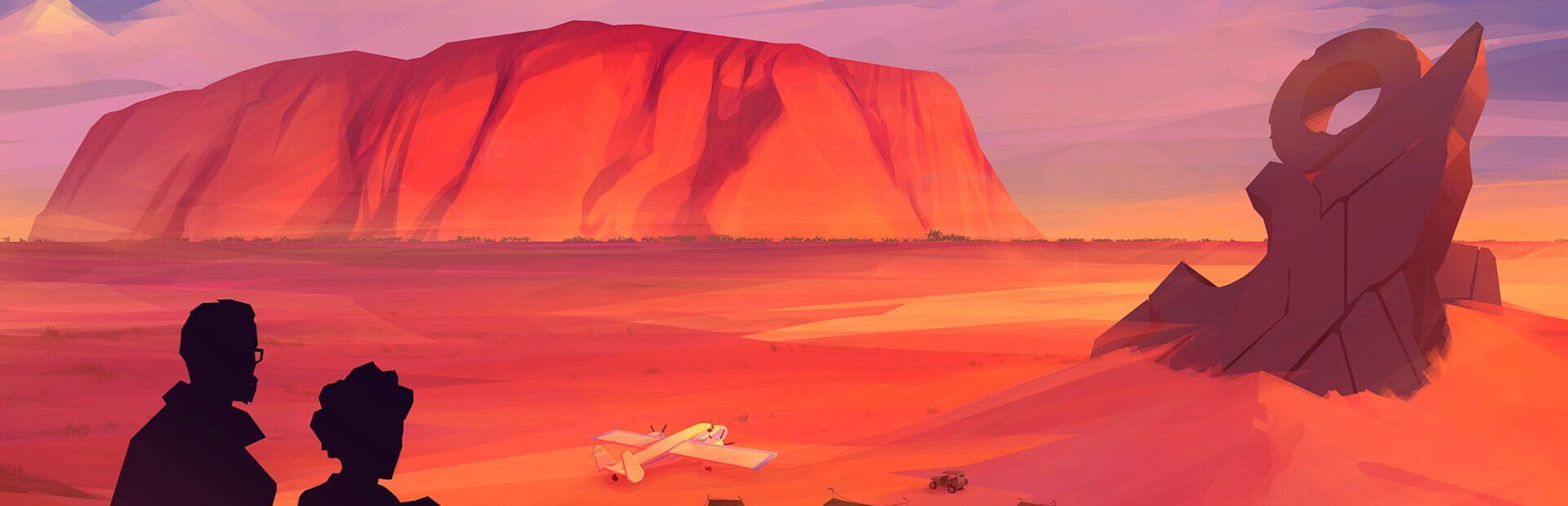
Out of the Blue is also clearly playing with place as a storytelling tool. Rather than a single island, you and your co‑protagonist hop between a decaying New England mansion, the harsh light of the Australian outback, frozen wastelands and impossible cities that sit outside of time. Each region promises its own logic, history and visual language, which in turn feeds directly into the design of its puzzles.
Two protagonists, two perspectives on the same nightmare
A big structural change from Call of the Sea is the dual‑protagonist approach. You can switch between Harry and Evangeline, and the game builds puzzles and story beats around their differing viewpoints. Harry brings the weight of experience, professional caution and a direct link back to the Everhart legacy. Evangeline is younger, more idealistic and less prepared for how quickly academic curiosity can slide into obsession.
This is not just a cosmetic choice. Expect puzzles that rely on how each character reads a situation, with their personal journals, dialogue reactions and even how other characters treat them providing extra layers of information. A note that seems trivial in Harry’s hands might resonate differently with Evangeline, and environmental details that one of them glosses over might be precisely what the other latches onto.
Narratively, that split perspective gives Out of the Blue more room to seed unreliable narration, contrasted memories and clashing interpretations of the supernatural. For players who enjoyed Call of the Sea’s slow drip feed of revelations, having two sets of eyes on the same phenomena should make theories more fun to spin and payoffs more satisfying when they finally land.
Puzzles that reward curiosity, not brute force
At its core, Call of the Elder Gods is still a first‑person adventure that lives and dies on the strength of its puzzles. Out of the Blue is pushing even harder on environmental reading and lateral thinking this time, with object‑focused challenges that ask you to match symbols across different locations, understand ritual layouts, and line up clues from journals, murals and background architecture.
The sequel’s biggest promise for puzzle fans is flexibility. Difficulty can be tuned through optional hints, interface icons and journal nudges, letting you decide how pure you want the detective work to be. If you liked getting completely stuck on Call of the Sea’s hardest conundrums, you can strip most helpers away. If you are here more for the story and atmosphere, you can keep breadcrumbs visible so the pacing never stalls.
For those who actively seek out tougher brainteasers, the team is adding optional Occult Books that layer in extra, more reality‑bending puzzles. These sound like meta‑challenges that play with perception, game rules and possibly even the UI, which should scratch the itch for players who enjoy puzzlers that occasionally step outside their own world to surprise you.
Presentation that matches the expanded scope
Technically, Call of the Elder Gods steps up to Unreal Engine 5, and it shows in every frame of the latest trailer. The studio’s painterly art direction is still intact, but lighting, material detail and scale have all leveled up. Even mundane spaces like library stacks or narrow corridors feel richer and more tactile, while the more surreal vistas look appropriately vast and unknowable.
Crucially, the cast and audio support that visual ambition. Composer Eduardo De La Iglesia returns to thread the same musical DNA through the new story, while voice acting from Yuri Lowenthal and Cissy Jones gives Harry and Evangeline distinct personalities from the outset. For a game that spends so much time living inside its characters’ heads, that performance layer is key to making the slow descent into cosmic horror feel grounded rather than melodramatic.
Platforms, Switch 2 treatment and Game Pass convenience
Part of why this May launch feels like a moment for the series is how broadly Out of the Blue and publisher Kwalee are rolling it out. Call of the Elder Gods is arriving on PC, Xbox Series X|S, PlayStation 5 and Nintendo Switch 2 on the same May 12 date, rather than staggering releases over months.
Switch 2 support is particularly notable. Call of the Sea found a small but vocal audience among handheld players, and the sequel is now built from the start with a more powerful Nintendo machine in mind. That should help its dense textures and moody lighting survive the jump to portable play without sacrificing clarity on small screens.
For Xbox owners, Game Pass removes the last barrier to giving it a try. Launching directly into the subscription service means adventure‑puzzle fans can sample the opening chapters without extra cost, which is exactly the sort of low‑friction exposure a slower‑burn narrative game thrives on.
Why adventure‑puzzle fans should keep this on their radar
If you bounced off Call of the Sea because of its occasional difficulty spikes or because you wanted more overt horror, Call of the Elder Gods looks like it has taken those lessons to heart without abandoning the series’ identity. The blend of carefully constructed puzzles, a strong sense of place and a story that respects Lovecraft’s stranger, more introspective ideas makes this a rare kind of sequel.
It feels bigger but not bloated, more flexible but still demanding, and confident enough to let you inhabit two very different minds as they uncover the same looming truth. With the May 12 launch now set, this is the sort of game worth marking on the calendar if you care about narrative adventures that give your brain something substantial to chew on from the first eerie discovery to the final, possibly sanity‑shattering reveal.