
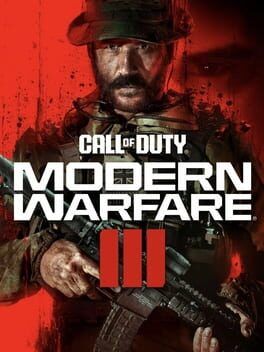

Rumors that Microsoft could change or remove day one Call of Duty access on Game Pass raise big questions about Xbox’s subscription strategy, player expectations, and why this single series is so central to the value of the service.
Rumors that Microsoft is rethinking how Call of Duty fits into Game Pass are more than a simple “will it be included or not” story. They touch almost every pillar of Xbox’s subscription strategy, from how the service makes money to what players now expect when a new first party blockbuster launches.
Recent reporting from Jez Corden at Windows Central, summarized by Eurogamer and others, suggests Microsoft is at least considering changing how day one access works for Call of Duty on Game Pass. Wolf’s Gaming Blog goes further in framing it as a possibility that Call of Duty could be pulled from the standard Game Pass offering entirely, or moved into a higher priced tier. None of this is confirmed, but even the rumor highlights how uniquely important Call of Duty is to the Game Pass proposition.
Why Call of Duty is such a special case for Game Pass
Most new first party Xbox titles now arrive on Game Pass the same day they hit retail. That promise has become core to how Microsoft markets the service. For something like Hi-Fi Rush or Pentiment, the calculus is straightforward. The subscription gives smaller or mid tier games a huge audience they might never have reached through full price sales alone.
Call of Duty sits in a completely different category. It is one of the few franchises that can still sell tens of millions of copies at full price annually, with a large share of players willing to pay upfront just to be there on day one. On top of that, the series runs an aggressive live service model across multiplayer, battle passes and cosmetic microtransactions, plus integration with Warzone. That means Activision Blizzard, now under Microsoft, has historically milked both a 70 dollar ticket at launch and a long tail of in game spending.
Putting a game like that into Game Pass on day one distorts the usual subscription math. According to the reporting, Microsoft allocates internal revenue to first party titles based largely on engagement. A giant live service like Call of Duty would soak up a massive slice of that internal budget. Every hour players spend in Call of Duty within Game Pass is an hour they are not devoting to smaller titles that rely on the service for discovery and funding.
At the same time, day one access potentially cannibalises traditional sales. If players can get the full premium experience via a subscription they are already paying for, a non trivial chunk of the audience that once reliably spent 70 dollars per release might choose not to. For a franchise at Call of Duty’s scale, that is hundreds of millions of dollars in potential revenue put at risk.
The business tension at the heart of the rumor
The reports suggest Microsoft is wrestling with a simple question. Is it financially rational to give away the most reliable annual blockbuster in the industry as part of a flat rate subscription?
On one side, there is the long term strategy. Putting Call of Duty on Game Pass would instantly increase the perceived value of the subscription and could drive a major spike in sign ups and retention. It would send a signal that Game Pass is the default way to play new Xbox games, not an optional add on. That fits the narrative Microsoft has been building for years as it shifted focus from individual box sales to recurring revenue.
On the other side are the near term economics. Game Pass still has to justify its massive content spend. If Call of Duty absorbs too much internal budget and kneecaps full price sales, then even a large subscriber boost might not offset the lost revenue. That is where the rumored options come in. One possibility is to delay Call of Duty’s arrival on Game Pass instead of launching day one. Another, which Jez Corden floated, is creating a higher priced Game Pass tier that includes mega franchises like Call of Duty while keeping the standard tier cheaper but with fewer headline blockbusters.
Either path would be a significant deviation from the clear promise that all first party games hit Game Pass day one. The fact Microsoft is even rumored to be exploring these alternatives shows how much weight Call of Duty alone puts on the Game Pass business model.
How changing day one access would reshape Xbox’s subscription strategy
Game Pass has been sold as a simple proposition. One subscription, all the first party games from day one, plus a rotating library of third party titles. If Microsoft pulls back on that for Call of Duty, it will create a more complicated story that ripples across the brand.
First, it would introduce the idea that not all first party games are equal. If the next Call of Duty arrives late to Game Pass or is placed into a premium tier, players will start to ask which other big releases might follow. A future Elder Scrolls or a hypothetical mainline Diablo could end up under similar scrutiny. That erodes the clarity of the value proposition, which is one of Game Pass’s biggest marketing strengths.
Second, it signals a shift from “all you can eat” to “some content is special.” A tiered strategy where Call of Duty sits behind a higher paywall turns Game Pass into something closer to cable TV, with premium channels on top of the base package. That might make financial sense but it changes how the service competes with PlayStation Plus, cloud services and straight up game purchases. Xbox would be asking its most engaged players to pay more for the very games that made Game Pass look so generous in the first place.
Third, it complicates relationships with third party partners and internal studios. If the top of the pyramid is reserved for a small number of mega franchises that potentially exist outside the normal Game Pass rules, then it becomes harder to position the service as a level playing field where every project gets a fair shot at engagement based funding and visibility.
In short, changing day one access for Call of Duty would not only be a tactical adjustment. It would force Xbox to redraw the lines of what Game Pass is and who it is for.
The consumer value problem and player expectations
On the player side, day one access has become a core expectation, not a bonus. It is the reward for sticking with the subscription month over month. When Xbox bought Activision Blizzard, many players immediately assumed that future Call of Duty titles would fall under that same promise. Microsoft itself leaned into that expectation in broad strokes messaging, even if it stopped short of ironclad guarantees about specific future releases.
If Microsoft were to back away from day one Call of Duty access, it risks a backlash on two fronts. Existing Game Pass users who feel a promise has been broken may downgrade or cancel, especially if they were subscribing specifically in anticipation of playing Call of Duty through the service. Potential new customers who were on the fence might now see less reason to opt in at all, particularly if they are the type of player that only buys one or two big games per year and Call of Duty is one of them.
There is also the question of how players value ownership versus access. A delayed release on Game Pass could push more people toward buying Call of Duty outright at launch. That benefits short term sales but might undermine one of Xbox’s key behavioural shifts, which is moving its audience toward ongoing subscriptions as the default. Any perceived wobble on the day one commitment opens the door for the argument that you still need to buy the biggest games if you want guaranteed access, undercutting the appeal of Game Pass for value seeking players.
Finally, there is trust. Subscription ecosystems are built on the assumption that what you are paying for month in and month out is stable and predictable. When the rules change for one game they can feel like they might change for anything. Call of Duty is influential enough that whatever happens with it will color how players look at the entire library.
Why Call of Duty is uniquely central to the Game Pass pitch
Plenty of major franchises live inside subscription libraries, from EA’s sports titles to Ubisoft’s open world behemoths. Call of Duty is different because it is both a cultural event and an annual habit. It pulls in casual players who may not care about the rest of the catalog, and it retains hardcore fans for months through multiplayer seasons.
For Microsoft, that makes Call of Duty a bridge between audiences. It can bring lapsed console owners into the Xbox ecosystem, entice PC players toward Game Pass Ultimate, and offer a single simple marketing hook. “Play the new Call of Duty on Game Pass” is a far more powerful message to a mainstream audience than a list of critically acclaimed smaller games, no matter how good those titles are.
That reach is also why the series is such a powerful bargaining chip. If Microsoft chooses to keep Call of Duty out of the standard Game Pass package, it can point to that decision as evidence that the franchise is still being treated as a multi platform, premium product. If it chooses to include Call of Duty day one, it demonstrates how aggressive Xbox is willing to be in using its biggest properties to drive subscription growth, even at the risk of cannibalising traditional sales.
In either scenario, Call of Duty is the test case for what owning Activision Blizzard really means for Xbox. The way Microsoft resolves this tension will signal whether the company is doubling down on Game Pass as the non negotiable centre of its ecosystem or adopting a more hybrid approach where some flagships remain closer to the old buy to play model.
Where this leaves players and the future of Game Pass
For now everything remains rumor, with no official word from Microsoft on whether it will change or remove day one Call of Duty access on Game Pass. Yet the debate already reveals how fragile the balance is between offering incredible consumer value and sustaining a profitable subscription.
If day one Call of Duty does arrive on Game Pass and stays there, it will be a statement that Xbox is willing to absorb short term financial strain to cement the service as the default home for its first party games. If it does not, players will have to recalibrate what Game Pass is meant to be and accept that the biggest annual blockbuster in gaming might sit slightly outside the subscription’s promised land.
Either way, the outcome will reshape not only how people think about Game Pass but also how they think about the value of subscriptions in gaming overall. Call of Duty is the exception that forces everyone to reexamine the rules.