

Using Black Ops 7’s rocky launch as a turning point, Activision says it will stop alternating only between Modern Warfare and Black Ops. Here’s how that could reshape campaigns, multiplayer cadence, and franchise fatigue.
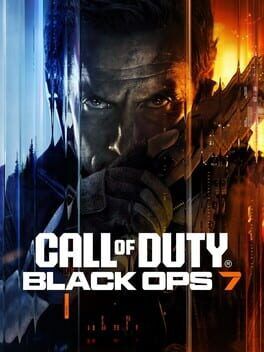
Call of Duty: Black Ops 7 has become an awkward milestone for the franchise. Instead of being celebrated as a triumphant return for Treyarch, it is sitting in the mid‑60s on Metacritic and drawing pointed criticism about a formula that feels tired. In direct response, Activision and the broader Call of Duty team have made a rare public pledge: they will no longer release back to back games from the same sub‑series, specifically Modern Warfare and Black Ops.
In practice, this is a sharp pivot away from how the series has operated across the last decade. Of the most recent eight annual Call of Duty entries, seven carried either the Modern Warfare or Black Ops label. Vanguard was the lone exception. That near constant ping pong between the same two brands helped sales stay high but also compressed the creative space around the franchise. Black Ops 7 is where the cracks finally showed in a way Activision could not ignore.
The new promise from the Call of Duty team is that each yearly release should feel like a “unique experience” and that changes should be “meaningful, not incremental.” Framed against Black Ops 7’s reception, the message is clear. Fans are not turning away from Call of Duty because they hate the core gunplay or the basic structure. They are burning out on the sense that each campaign, multiplayer suite, and seasonal roadmap is a slightly altered version of the last one.
Black Ops 7 itself was pitched as a spiritual successor to Black Ops 2, with a near future setting in 2035, psychological warfare themes, and the return of David Mason. On paper it sounded like the kind of twist that could refresh the brand. In practice, many players and critics saw familiar beats. The structure of the campaign, the way set pieces were framed, and the pacing of unlocks all felt anchored to a template that had been iterated on for years. Even clever story hooks struggled to stand out when embedded in such a well worn framework.
By ending back to back Modern Warfare and Black Ops releases, Activision is effectively creating forced breathing room between those templates. That has immediate implications for campaign design. A studio that is not locked into continuing a numbered Modern Warfare arc or a Cold War adjacent Black Ops storyline gains license to experiment with tone, pacing, and structure. One year could emphasize a grounded, character driven narrative set in a new conflict or era. The next could push further into science fiction, alternate history, or covert operations without needing to fit into the expectations that come with an established subtitle.
This should also reduce the temptation to lean on nostalgia. Recent entries often felt obligated to echo past missions, characters, or shock moments because fans associated those with the Modern Warfare or Black Ops names. With longer gaps between sequels in each sub series, callbacks can become rarer, more deliberate, and less like a checklist. That breathing room can help campaigns feel like distinct experiences rather than expansions to a never ending anthology.
Multiplayer stands to change as well, not because the core loop is going away, but because the yearly cadence may finally diverge from a predictable pattern. The last handful of releases blurred together with similar weapon archetypes, map rhythms, and seasonal structures dressed in slightly different aesthetics. Skins, blueprints, and operators might have changed, yet the sense of progressing through another familiar treadmill remained.
A more varied rotation of sub series can give each multiplayer package a stronger identity. A game that is not tied to Modern Warfare’s brand of contemporary military realism, for example, can afford more experimental map designs, non traditional movement options, or unusual gadgetry. A title that is not boxed into Black Ops era expectations could try more radical objective types or integrate campaign style mechanics into competitive modes. The pledge does not guarantee those risks will be taken, but it lowers the pressure to simply re deliver the last successful template under the same branding.
The seasonal model may also evolve. With Modern Warfare and Black Ops no longer expected to alternate as a two pillar foundation every fall, developers can tailor their live service plans to the tone of each specific release. A more grounded entry might opt for slower, more tactical tweaks and restrained cosmetics, while a stranger, more high concept release could go wild with limited time modes and visual themes. In both cases, the feeling that every year is chasing the same battle pass structure and cosmetic meta has a chance to soften.
At the heart of all of this is the issue of franchise fatigue. Black Ops 7’s reception is a symptom of a deeper problem. Players are not merely asking for bug fixes or stronger launch content. They are questioning why they should commit to another twelve month cycle when the differences from year to year can feel cosmetic. Seven out of eight recent games sharing the same two subtitles made those doubts louder. When every box on the shelf reads Modern Warfare or Black Ops, it becomes harder for casual players to even remember which installment is which.
Breaking up that pattern is a basic but important step toward restoring a sense of occasion. If the next Black Ops is three or four years away instead of right around the corner, its reveal has room to feel special. The same is true for Modern Warfare. In the interim, new or dormant sub brands can step in and carry the series forward. Whether that means revisiting ideas like Advanced Warfare and Ghosts or building entirely new pillars, the key is that the label on the box will start to signal more meaningful differences.
Of course, a promise about naming patterns alone will not fix what ails Call of Duty. Players will judge the shift based on how adventurous the next few games actually feel. For now, Activision is trying to steady the ship around Black Ops 7 with a free trial period and Double XP weekends, encouraging skeptical fans to try its multiplayer and Zombies before writing it off entirely. Those efforts might smooth over some of the immediate frustration, but they do not erase the sense that Black Ops 7 is carrying the weight of years of repetition.
If the company follows through, the long term effect of abandoning back to back Modern Warfare and Black Ops releases could be significant. Campaigns would have more flexibility to break from formula. Multiplayer could afford bolder experiments in structure and pacing. Above all, the annual release cycle might feel less like a re skin of the same core package and more like a genuine rotation of distinct experiences.
Black Ops 7 may go down as a turning point, remembered less for its own story and firefights and more as the game that finally pushed Activision to change course. The next few years of Call of Duty will determine whether that course correction is real or just a rebranding of business as usual.