
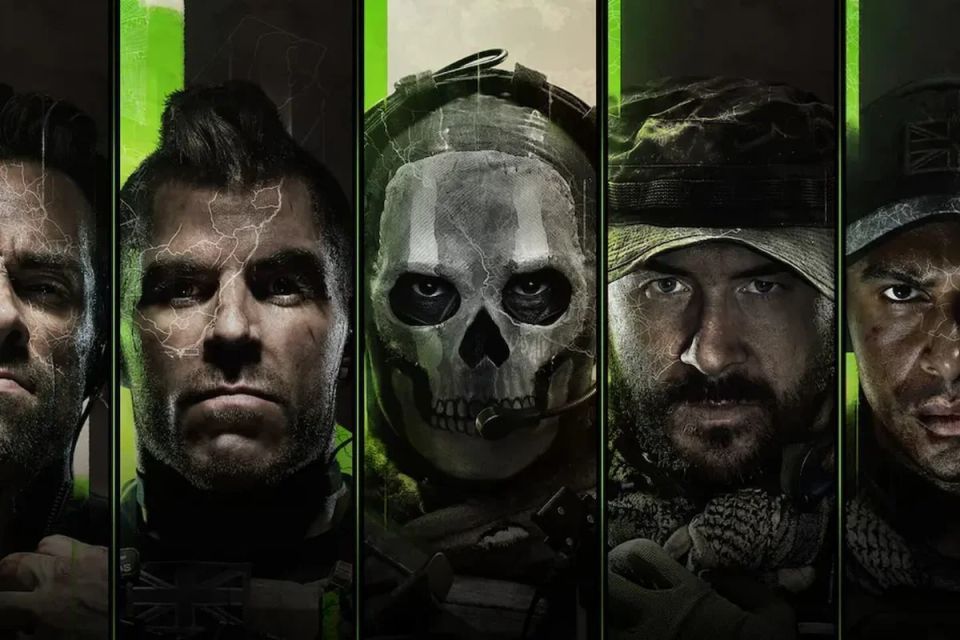

Peter Berg says the Call of Duty movie will draw from Modern Warfare and focus on the burden carried by soldiers, a pitch that gives skeptical shooter fans a clearer target to judge before its 2028 theatrical release.
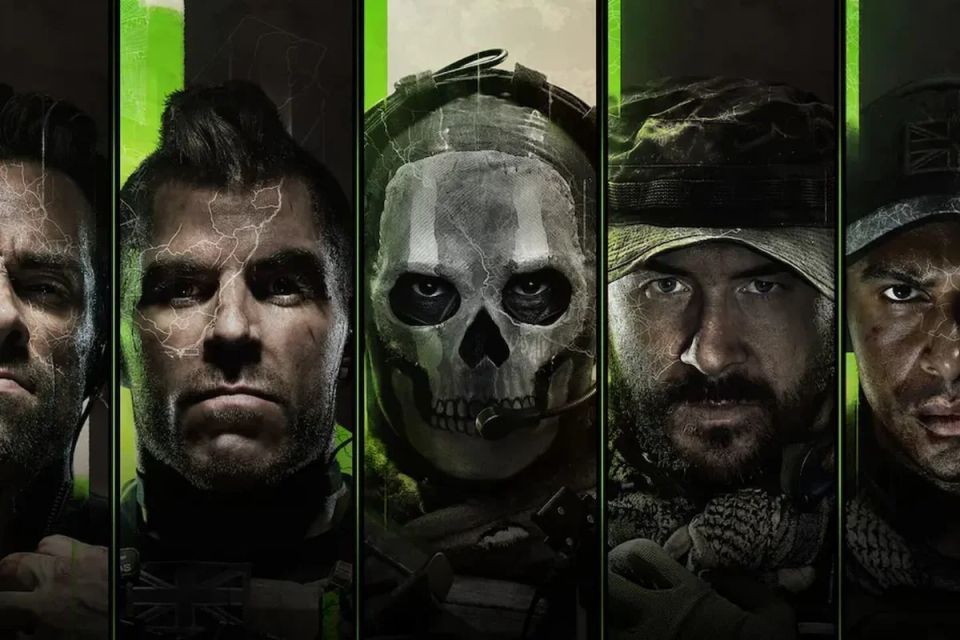
Image: newsofbahrain.com
Peter Berg is selling Call of Duty as a war story, not a killstreak reel
The strongest concrete detail around the Call of Duty movie is now its tone. Director Peter Berg says the film will explore “the cost of war” and the burden carried by soldiers, rather than building its identity around pure spectacle.
That framing comes from Berg’s interview with ComicBook, as reported by Eurogamer, GameSpot, IGN, Yahoo, and others. Berg is directing the Call of Duty adaptation from a script by Taylor Sheridan, and the movie is set in the Modern Warfare universe. Eurogamer and GameSpot report that it is due in cinemas on June 30, 2028.
For shooter fans, that pitch immediately creates the central tension. Call of Duty is one of gaming’s biggest action brands, and its name carries expectations of weapons, hardware, raids, close-quarters chaos, and cinematic military escalation. Berg is saying the film will still acknowledge violence, gear, and killing, but he wants the center of gravity elsewhere: consequence, duty, and the human load behind the mission.
That is a smarter sales pitch than “big game, big explosions,” but it also raises the bar. A Call of Duty movie cannot win over skeptical FPS players by simply showing rifles correctly, staging one clean breach, and name-dropping Ghost. If Berg’s film is going to argue that Modern Warfare has a soul under the muzzle flash, the movie has to prove it through character, pacing, and choices under pressure.
Modern Warfare is the chosen lane, and that gives the film a defined target
Berg’s comments are specifically tied to Modern Warfare. IGN reports that the upcoming film will focus on the Modern Warfare portion of the Call of Duty universe, and Berg’s own examples point directly at that corner of the series. He named Captain Price, Soap, Ghost, and Alex while discussing the characters he sees as complicated people rather than simple action figures.
That matters because Modern Warfare is the Call of Duty lane most associated with cinematic military storytelling. The games have long used briefing-room stakes, special operations missions, betrayal, deniable operations, and morally strained decisions to give structure to the shooting. Yahoo’s syndicated coverage notes that plot details for the film have not been revealed, so it is not confirmed whether the movie will adapt a specific game storyline, remix familiar beats, or build a new mission inside the Modern Warfare universe.
What is confirmed is narrower but meaningful: Berg is talking about the series through character names and themes, not through multiplayer iconography. There is no confirmed cast in the provided reports, no confirmed villain, and no confirmed plot synopsis. That leaves plenty of room for concern, but it also suggests the filmmakers know the adaptation cannot simply convert loadouts, streaks, and map callouts into a screenplay.
From an FPS perspective, Modern Warfare is also a risky choice because fans know its rhythm. The games are built around bursts of control and chaos: clean room clears, hard cuts to global stakes, quiet movement before contact, then violence that lands fast. A film that only chases the loud parts will feel like a trailer stretched to feature length. Berg’s stated focus on consequence is an attempt to avoid that trap.
The Sheridan factor points toward moral pressure, not arcade fantasy
The Call of Duty film is being written by Taylor Sheridan, and Berg has repeatedly linked Sheridan to the movie’s intended seriousness. GameSpot notes Sheridan’s work in the military and crime-drama space, including Sicario, Hell or High Water, Wind River, and the TV series Lioness. Those credits do not confirm the Call of Duty movie’s quality or story, but they do help explain the tone Berg is publicly describing.
Sicario, which Sheridan wrote, is built around moral grey areas and institutional violence, as GameSpot points out. That is relevant because Berg’s comments frame Modern Warfare as a place where characters carry psychological and ethical weight. He told ComicBook that beneath the weapons, equipment, and killing, the games look at the cost of being a warrior who puts himself between danger and everyone else.
That is a useful signal for fans worried about video game movies flattening their source material. The best-case version of this Call of Duty adaptation understands that a firefight on screen needs stakes beyond body count. The worst-case version uses “cost of war” as serious-sounding cover while still delivering generic action scenes without the pressure, confusion, and aftermath that make a mission memorable.
For now, Berg and Sheridan’s intent is the story. The actual test arrives later, when casting, footage, and a synopsis show whether that intent is visible in the film’s structure. A line about consequence is easy to give in an interview. Building a two-hour movie where every operation has emotional recoil is harder.
The Mosquito Bowl comparison sets expectations for violence
Berg also compared the Call of Duty movie to his upcoming Netflix film The Mosquito Bowl. According to Eurogamer, Berg said Call of Duty probably will not be as graphically violent as The Mosquito Bowl, while still carrying a strong sense of consequence. Eurogamer reports that The Mosquito Bowl arrives on Netflix on November 25, and describes it as a Second World War drama inspired by a real 1944 football match between Marines in the Pacific.
That comparison gives viewers one practical read on the adaptation’s likely ceiling for brutality. Berg is not presenting Call of Duty as bloodless, and the sources all report his acknowledgement that the film will include violence, hardware, equipment, and killing. But he is also drawing a line between graphic intensity and dramatic weight.
That distinction is important for this franchise. Call of Duty campaigns have often relied on shock, escalation, and high-pressure violence, but the games are still mainstream blockbusters with broad audiences. A theatrical Call of Duty film has to satisfy fans expecting military action while remaining accessible enough for a major release. Berg’s comments suggest the movie may aim for intensity through situation and character cost rather than extreme gore.
That is interpretation, not a confirmed rating or content description. No rating-board listing is cited in the provided reports, and no final cut exists publicly. The only confirmed claim is Berg’s own comparison: less graphically violent than The Mosquito Bowl, with the consequence of war still central to the pitch.
Shooter fans have reason to be cautious, including Berg’s own history with gaming
The skepticism around the Call of Duty film director is not coming out of nowhere. IGN notes that some fans are unconvinced because Berg previously criticized people who play video games in 2013, using terms including “pathetic” and “keyboard courage,” and saying that sitting around playing games for hours was “weak.” IGN frames his current comments as a changed tune, especially given his praise for Modern Warfare characters like Price and Ghost.
That history matters because shooter communities are quick to detect whether an adaptation is made with respect or with the IP treated as a costume. FPS fans can argue forever about time-to-kill, spawn logic, SBMM, recoil, map flow, and campaign scripting, but they usually agree on one thing: if someone adapts a shooter, they need to understand the feel and the fantasy before they start moralizing about it.
Berg’s current pitch is therefore doing two jobs. It is positioning the Call of Duty movie as a serious war drama, and it is also trying to reassure fans that the creative team sees Modern Warfare as character-driven material. His wording about Price, Soap, Ghost, and Alex being nuanced characters is clearly meant to signal that this is not a detached Hollywood pass at a recognizable logo.
The fair read is measured. Berg’s past comments give fans a reason to demand proof. His current comments give him a coherent creative argument. Neither settles the quality of the film. The first trailer, casting choices, and how the movie handles Modern Warfare’s operators will matter far more than interview positioning.
What is confirmed before the 2028 release, and what is still missing
The confirmed information is still limited. Based on the provided reporting, the Call of Duty movie is a theatrical project, Peter Berg is directing, Taylor Sheridan is writing, the story draws from the Modern Warfare universe, and Eurogamer and GameSpot report a June 30, 2028 cinema date. IGN identifies the project as a Skydance-Paramount film. No source text provided here confirms a cast, plot summary, rating, runtime, trailer date, streaming window, or whether specific game missions will be adapted.
For readers deciding how closely to track this, the smart move is to treat Berg’s “cost of war” comments as a thesis statement, not proof of execution. It tells us the kind of Call of Duty movie he wants to make. It does not tell us whether the film can balance military authenticity, franchise iconography, and dramatic consequence without becoming either hollow spectacle or self-serious branding.
The angle is promising because it aims at the part of Modern Warfare that can actually survive the jump from controller to cinema: pressure on operators, compromised missions, and the personal burden behind professional violence. The risk is equally clear. If the film strips away the game’s pacing and tactical immediacy, fans will see through the prestige packaging fast.
For now, shooter fans should watch for the next hard details: casting for the Modern Warfare characters Berg name-checked, whether the first synopsis commits to an original story or a recognizable arc, and whether the first footage sells tension before explosions. A Call of Duty adaptation does not need to copy the games beat for beat, but it does need to understand why players remember the missions after the shooting stops.