
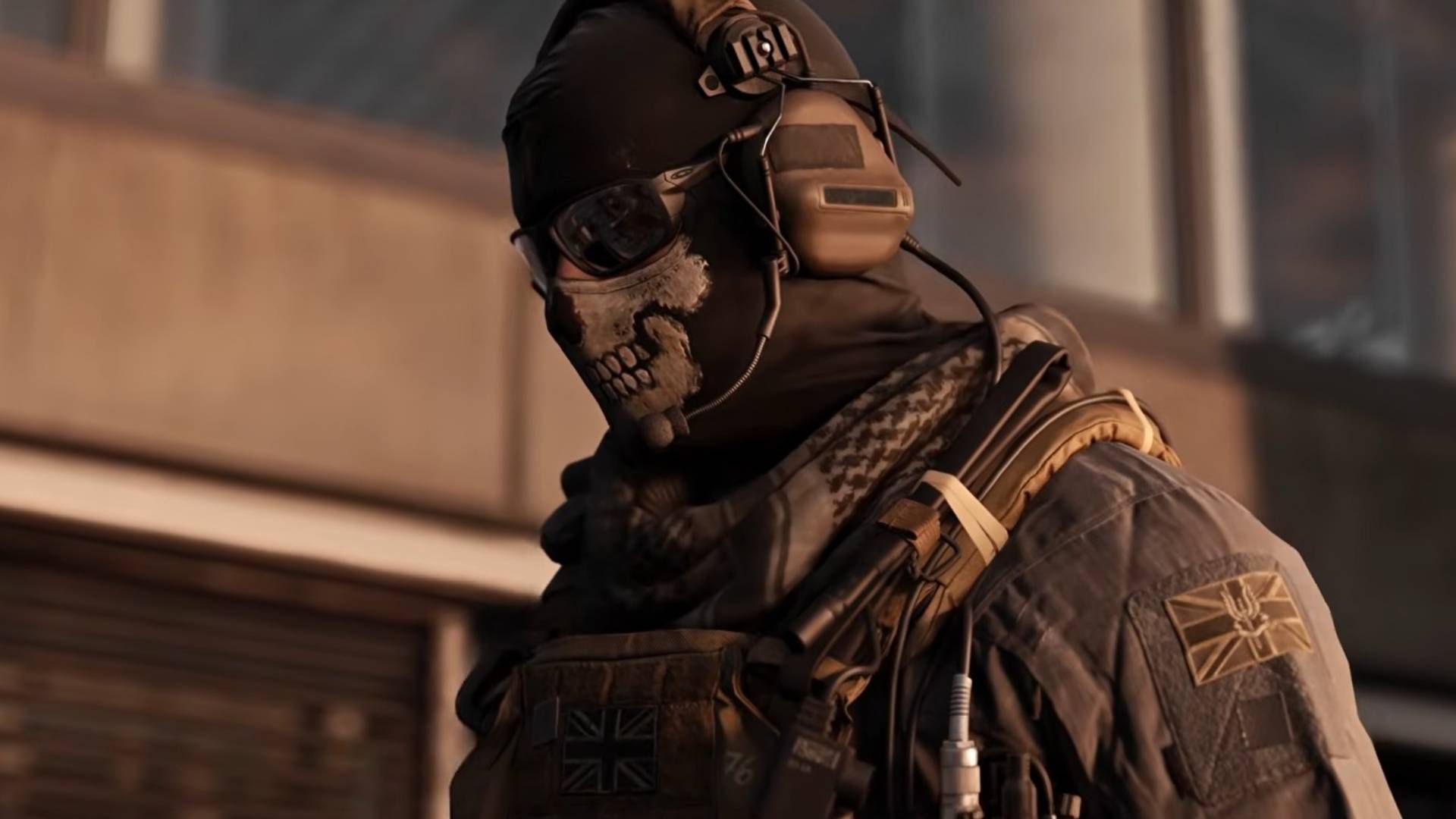

Activision served Elocarry with a cease-and-desist during the Modern Warfare 4 beta, escalating its Ricochet anti cheat campaign against cheat sellers before launch.
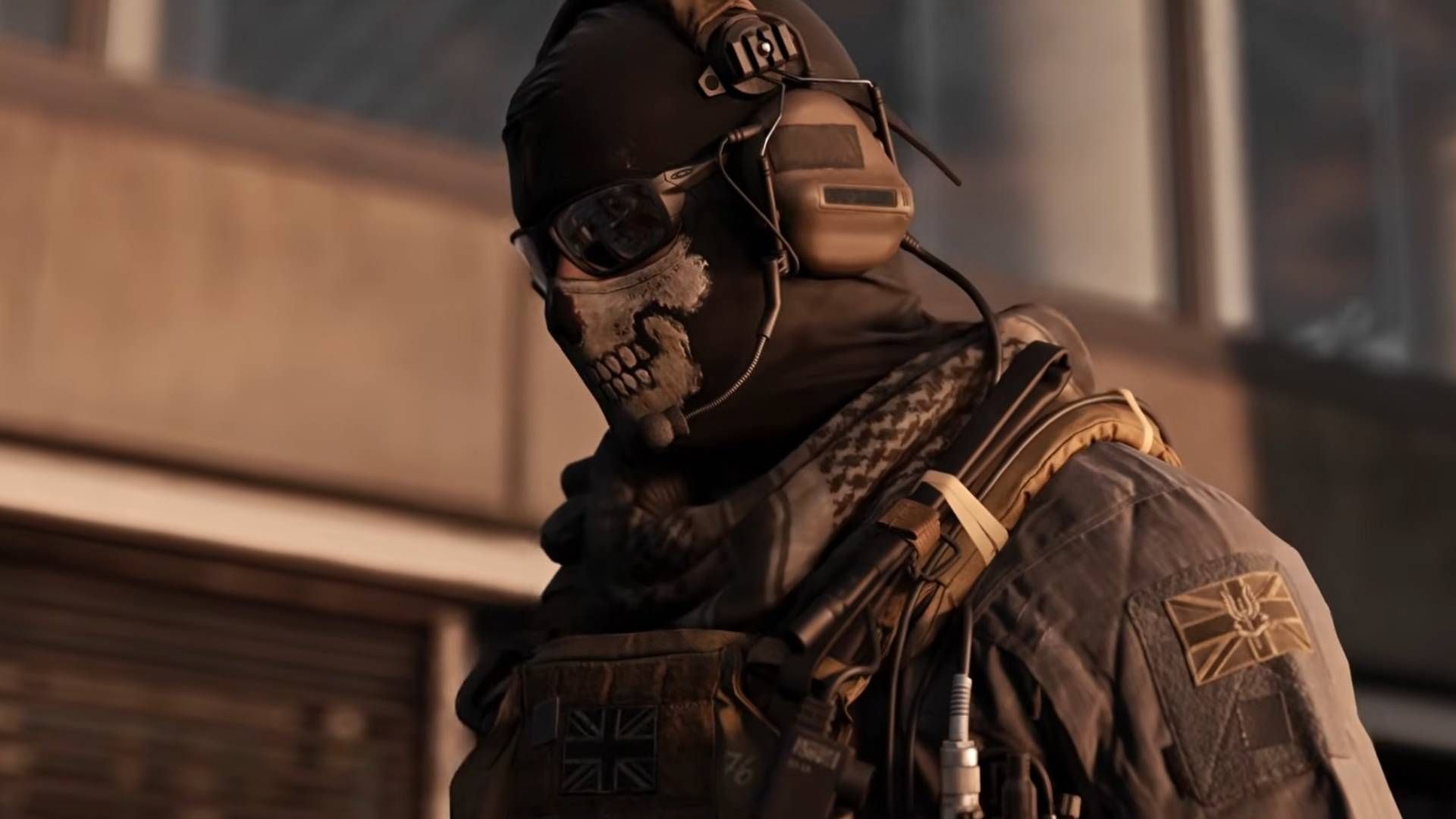
Image: gamesradar.com
Activision turned an anti-cheat update into a doorstep warning
Activision’s latest Call of Duty anti-cheat push moved outside the match lobby last weekend, when the official Call of Duty account said the company went to Ohio during the Modern Warfare 4 Closed Beta to serve Elocarry with legal papers. The publisher posted a one-minute video on X showing a representative arriving at a residence, handing over a cease-and-desist order, and directing the recipient to contact attorneys for Activision.
That is the concrete development: a Call of Duty cheat maker was publicly targeted through a real-world legal notice, with Activision using its own social channels to frame the moment as part of Ricochet Anti-Cheat’s wider campaign. The company wrote that “RICOCHET Anti-Cheat doesn't end when your match does” and said it is “taking the fight directly to cheat sellers.”
The video itself, as Kotaku noted, is not an explosive confrontation. The exchange is brief. The face of the man at the door is blurred. The representative explains the paperwork and leaves. The point is the signal around it. Activision is telling cheat sellers that its enforcement work now includes legal pressure, public messaging, and vendor disruption alongside account bans and software detection.
What Activision says happened to Elocarry
According to the official Call of Duty X thread, the Ohio visit targeted Elocarry during the recent Modern Warfare 4 Closed Beta. Dexerto reported that the footage is timestamped at 9:50 AM on August 22 and shows the representative driving to the home before approaching the front door. Kotaku described the paperwork as a cease-and-desist takedown order served to Elocarry.
Activision did not present the Elocarry visit as a one-off stunt. In the same thread, the publisher said it has “disrupted more than 375 cheat reseller operations,” served “more than 80 cease-and-desist demands,” and shut down “more than 30 vendors.” Activision also said litigation remains available “when necessary” and that it is prepared to take cheat developers and sellers to court to protect fair play.
There is also an immediate claimed business effect. DualShockers reported that Elocarry’s team published a Discord statement saying it had “temporarily paused sales and availability” for Call of Duty products as a precautionary step, with no return date given. Kotaku also reported that Activision shared a screenshot from Elocarry’s Discord saying Call of Duty cheat availability had been paused while the creator reviewed a matter internally.
The confirmed facts stop there. Activision has said it served the notice, published footage of the visit, and claimed broad disruption numbers across cheat reseller operations. Elocarry’s reported Discord statement points to a temporary pause for Call of Duty products. The sources provided do not include a filed lawsuit against Elocarry, a court ruling, a settlement, or a permanent shutdown notice from Elocarry.
Ricochet is being positioned as legal pressure plus detection
Ricochet Anti-Cheat is still the technical layer players usually think about: detections, account enforcement, hardware bans, and match-level response. But Activision’s current messaging is built around a wider model. The publisher says the goal is to disrupt the people and businesses that profit from cheating products, not only the players caught using them.
That matters for Call of Duty ranked cheating because cheat sellers are part of the supply chain that keeps high-skill playlists feeling unstable. If cheats remain easy to buy, every suspicious killcam becomes harder to process. A clean snap, a pre-aim through a wall, or a perfect read on a rotation can be skill, sound, UAV timing, or information abuse. In ranked, where SR, streaks, and party trust are on the line, that uncertainty damages the experience even before a ban happens.
Activision’s own beta claims are aimed at that confidence gap. In the Call of Duty X thread, the company said last weekend’s Modern Warfare 4 Early Access Beta had millions of matches played, lower infection rates, harder-to-evade hardware bans, and improved “time to action.” It also said new detections were deployed throughout the weekend. Those are publisher claims rather than independently verified performance data, but they show what Activision wants players watching: how fast cheats are detected, how difficult bans are to dodge, and whether cheat availability tightens before launch.
The ranked concern is bigger than one vendor
Elocarry is the name attached to this takedown, but Activision’s numbers frame the fight as an ecosystem problem. A single cheat seller pausing Call of Duty products can help in the short term, especially during a beta window when cheat providers are testing their own tools against new builds. It does not prove that ranked play will stay clean once Modern Warfare 4 reaches a larger audience.
That is the tension ranked players should keep in mind. Call of Duty’s competitive ladder depends on trust at scale. Publicly serving one seller may discourage some vendors, and cease-and-desist letters can raise the cost of operating. But cheat markets tend to shift, rebrand, or move customers through private channels when pressure increases. Activision’s statement that it has disrupted hundreds of reseller operations is a sign of sustained enforcement. It is also evidence that the problem is persistent enough to require that many actions.
From a player’s perspective, the most important question is not whether Activision can make a viral example out of Elocarry. It is whether Ricochet can turn those disruptions into cleaner lobbies during the weeks when the ranked population spikes, loadouts settle, and high-MMR matches become the target for paid cheat users chasing visibility or carry services.
PC requirements are now part of the anti-cheat story
Activision also used the same Call of Duty thread to remind PC players that TPM 2.0 and Secure Boot are required to play Modern Warfare 4. The company said those requirements add another layer of protection alongside hardware bans and that it is continuing to coordinate with motherboard manufacturers to make compliance updates available to as many players as possible.
That is practical information, not background noise. If you are planning to play the Modern Warfare 4 beta or launch on PC, your anti-cheat readiness now includes BIOS-level setup as much as driver updates and account security. Secure Boot and TPM 2.0 requirements can trip up legitimate players with older systems, custom motherboard settings, or Windows installs that were never configured for them.
Activision’s source post does not provide a full troubleshooting list in the supplied material, but it does link a PC tutorial for TPM 2.0 and Secure Boot. Ranked-focused players should check compliance before a major play session rather than five minutes before queueing. Nothing kills a scrim block or launch-night grind faster than discovering your system fails a security requirement while your squad is already online.
What ranked players should watch before and after launch
Modern Warfare 4 is listed by GameRiv as heading toward an October 23 launch, so the Elocarry action lands during the most sensitive stretch of the anti-cheat calendar. Beta weekends give Activision live data, but they also give cheat developers a test environment. The real read comes when player volume rises, ranked incentives kick in, and cheat sellers try to recover from legal and technical pressure.
The first thing to watch is whether Activision keeps reporting faster time-to-action after launch. Quick bans matter in ranked because a cheater who survives for days can distort lobbies, SR gains, and player behavior across multiple sessions. The second is whether more vendors pause or remove Call of Duty products, since Activision has said there is “more to come” and that litigation remains an option. The third is whether PC enforcement creates friction for legitimate players through TPM 2.0 and Secure Boot issues, especially around motherboard support and compliance updates.
Players should also separate useful evidence from lobby paranoia. A public Elocarry takedown does not mean every strange death is proof of cheating, and Activision’s beta claims do not guarantee a clean ranked season. The best competitive read will come from repeated patterns: ban wave timing, acknowledged detection updates, vendor availability changes, and whether high-rank matchmaking feels stable once the meta hardens.
A loud warning, with results still to prove
Activision has made the Elocarry case public because deterrence is part of the message. The publisher wants cheat sellers to believe legal contact can reach them offline, and it wants players to see that Ricochet anti cheat includes pressure on the businesses behind Call of Duty cheats.
For now, the supported record is clear. Activision says it served Elocarry in Ohio during the Modern Warfare 4 Closed Beta, has disrupted more than 375 cheat reseller operations, has issued more than 80 cease-and-desist demands, and has shut down more than 30 vendors. DualShockers and Kotaku report that Elocarry paused Call of Duty cheat availability through a Discord statement. Activision also claims beta improvements including lower infection rates, tougher hardware-ban evasion, faster action, and new detections deployed during the weekend.
The open question is durability. Ranked players do not need a cinematic anti-cheat campaign. They need repeatable enforcement that keeps the ladder playable after launch week, after cheat sellers adapt, and after the first wave of high-rank accounts starts testing the system. The Elocarry takedown is a strong public swing. The scoreboard will be the ranked playlist.