
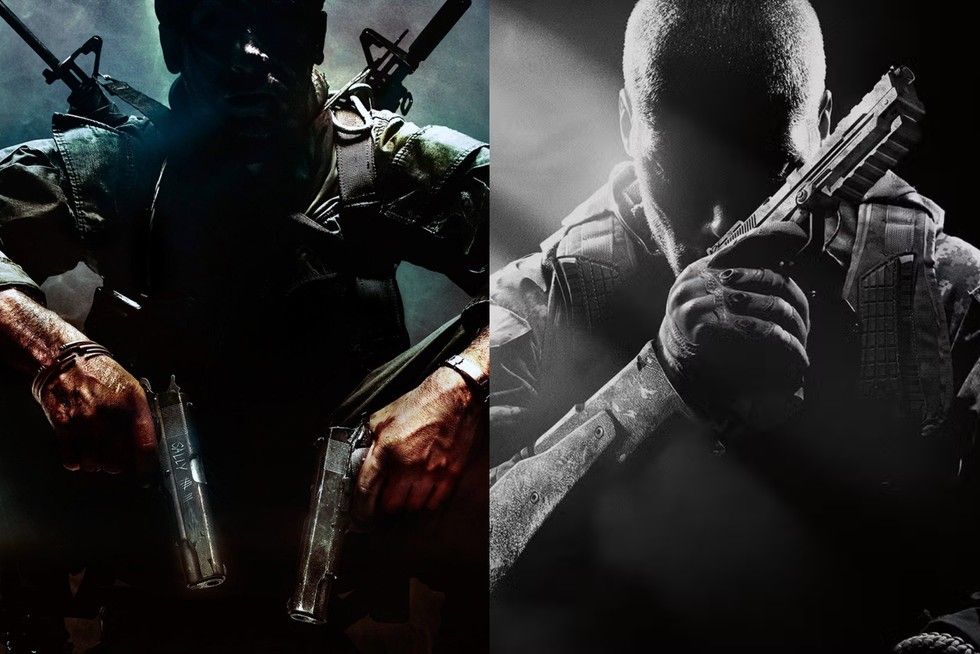

A former Treyarch level designer says the hit PS4 and PS5 Black Ops ports are generating major legacy revenue while original creators receive no additional pay.
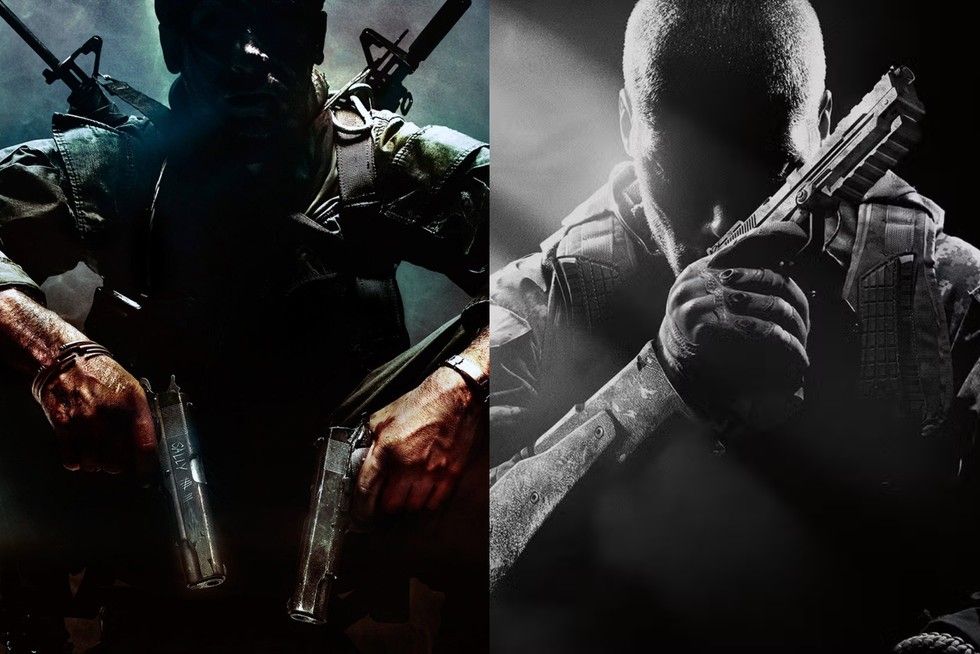
Image: radiotimes.com
A surprise PlayStation drop turned into a royalty argument
Activision’s surprise PS4 and PS5 ports of Call of Duty: Black Ops and Call of Duty: Black Ops 2 have become a commercial hit and a flashpoint over creator pay. Video Games Chronicle reports that Activision released the PlayStation ports without warning on July 9, and that both games quickly found an audience, with Black Ops 2 topping Circana’s chart as the best-selling game in the United States for July 2026.
The tension comes from who benefits when old work sells again. Gavin Goslin, a former Treyarch level designer who worked on both Black Ops games, wrote on LinkedIn that it is “bittersweet” to see the games dominating charts in 2026 while, in his words, “the actual creators don’t see a dime” from the new releases. VGC, GameSpot, and IGN all covered Goslin’s comments, which frame the Call of Duty Black Ops ports as a case study in how lucrative legacy games can be for publishers and platform holders while the people who built the original levels, systems, and content may not share in later revenue.
This is not a policy announcement from Microsoft or Activision. None of the supplied reporting says either company has introduced a royalty program for former Call of Duty developers, and none includes a response from Microsoft or Activision to Goslin’s post. What is confirmed is narrower but still significant: the ports sold strongly, a credited original developer says the re-releases are relying on old work, and he is publicly calling for retroactive revenue sharing.
The money estimate explains why the complaint landed
The scale of the reported sales is what gives the dispute weight. VGC and IGN cite Alinea Analytics estimates that the two Black Ops PlayStation ports sold a combined 11.2 million copies in July, earning around $435 million in one month. GameSpot also reports that the ports combined to sell more than 11 million copies on PS4 and PS5.
Those figures are estimates from Alinea Analytics, not official Activision sales numbers. Still, they line up with the broader picture in the sourced coverage: the ports were a notable success, and Black Ops 2 in particular performed well enough to lead Circana’s July 2026 U.S. sales chart, according to VGC.
Goslin’s LinkedIn post focuses on the mismatch between effort and later payout. He described the new versions as “basic $40 digital re-releases with zero new features” and said they “immediately shot into the Circana US Top 10 for weekly active users.” His argument is that if these releases are essentially the original games being sold again, then legacy revenue should be shared with the developers who made that original work.
That is a claim about fairness, not a confirmed legal entitlement. The sources do not provide the original employment contracts, bonus structures, or royalty terms for Treyarch staff on Black Ops or Black Ops 2. The strongest documented fact is Goslin’s position: he believes the people who endured the original development process should receive additional compensation when those same games produce major new revenue years later.
These ports appear to be selling because players wanted the old build
Part of the controversy is that the ports are being described by sources and Goslin as light-touch re-releases rather than remakes or remasters. GameSpot states that the new versions are ports with no new features or significant updates, and says that was exactly what many fans had been asking for. Before these ports, GameSpot notes, the only way to play Black Ops and Black Ops 2 on PlayStation was to use old PS3 hardware, because the games were not available through backward compatibility on PS4 or PS5.
For a shooter audience, that detail matters. Black Ops 1 and Black Ops 2 have remained reference points for pace, map flow, weapon identity, and pick-up-and-play multiplayer readability. Goslin made a similar point from the developer side, writing that the digital drops proved today’s gaming landscape is “starved for the tight, high-quality experiences we used to get.” That is his interpretation, but the sales response suggests there was real pent-up demand for access to these older entries on current PlayStation hardware.
There is a practical angle for players, too. According to the sourced reporting, these are $40 digital re-releases on PS4 and PS5, not expanded editions with a documented list of new features. Anyone buying them for nostalgia should expect the pitch described in the coverage: access to the older games on newer PlayStation consoles, rather than a rebuilt package with modernized systems or major content additions.
Activision says the demand was bigger than expected
Activision’s own public comments, as reported by GameSpot, support the idea that the ports outperformed internal expectations. Tyler Bahl, Activision’s chief marketing officer, told The Game Business that “The Black Ops ports were huge successes” and added, “We thought they would do well, we didn’t think they would do that well.” GameSpot reports that Bahl pointed to pent-up demand as a factor and said Activision is trying to apply lessons from the ports to Modern Warfare 4 and future Call of Duty games.
That statement does not address developer royalties. It does, however, show how Activision is reading the market response. Old Call of Duty games can still convert demand into sales when the access problem is solved. In this case, the access problem was clear on PlayStation: PS4 and PS5 players did not have a simple backward-compatible path to these PS3-era Black Ops games before the new ports.
The platform wrinkle is also unusual. Microsoft now owns Activision, yet the reporting centers on successful PlayStation ports. IGN framed the situation as Xbox making money from PlayStation ports of classic Black Ops games. The sources do not state how revenue is divided between Activision, Microsoft, Sony, or any other party, so that split should not be guessed. What can be said is that these PlayStation releases created a visible win for Microsoft-owned Activision and reopened a labor debate around old code generating new money.
Goslin is asking for a different legacy-game deal
Goslin’s proposed fix is retroactive revenue sharing. IGN reports that he compared the idea to royalties in books, movies, and music, where creators can receive ongoing payments when work continues to sell or gets reused. His wording was direct: “Legacy revenue should mean legacy rewards for the devs who survived the crunch to build them.”
The crunch reference is central to his complaint. Goslin wrote that he “poured my life into those games” and spent “countless, brutal hours in crunch” with the team to make them. That is a personal account from one developer, and the supplied reporting does not independently document the working conditions on those projects. It does, however, connect the royalty argument to a familiar industry problem: game developers often contribute to products that can generate revenue for many years, while their compensation may be limited to salary, bonuses, or contract terms at the time of original development.
The strongest version of Goslin’s argument is specific to these ports. He is not complaining about a full remake built by a new team with major new assets. He is pointing at re-releases that, according to his post and GameSpot’s reporting, add few or no major new features. If a rerelease is selling because of the original campaign design, multiplayer maps, systems, and code, he argues that the original creators should share in that upside.
The counterpoint, based on what is missing from the sources, is that no reporting here establishes a royalty obligation. Games are often made by salaried studio employees under work-for-hire arrangements, and the supplied articles do not show that Black Ops 1 or Black Ops 2 developers were promised future royalties. That gap is exactly why this has become a controversy rather than a straightforward pay dispute with a documented contractual answer.
The Black Ops rerelease controversy points beyond Call of Duty
The Call of Duty developer royalties debate is likely to keep resurfacing as publishers mine older catalogs. The commercial incentive is obvious from the Alinea estimate cited by VGC and IGN: a pair of decade-old shooters can reportedly generate hundreds of millions of dollars in a month when released into the right platform gap. For publishers, that is efficient catalog monetization. For former developers, especially those no longer employed at the studio, it can look like old labor being resold without old teams participating in the payday.
That does not make every legacy port exploitative, and it does not mean every rerelease should be treated the same. A bare-bones compatibility release, a port with online fixes, a remaster with upgraded art, and a full remake all involve different amounts of new work. The sources describe the Black Ops 1 and Black Ops 2 ports as basic digital re-releases, which is why they are a sharper test case for creator pay than a heavily rebuilt project would be.
For players searching the Black Ops rerelease controversy, the immediate facts are simple. The Call of Duty Black Ops ports are available on PS4 and PS5, they reportedly sold extremely well in July 2026, and a former Treyarch developer who worked on both originals says the creators are not receiving additional money from that success. The unanswered questions are larger: whether Activision or Microsoft will respond, whether any future Call of Duty ports will include a different compensation model, and whether public pressure around legacy games can change how the industry rewards the people who built its most durable shooters.