
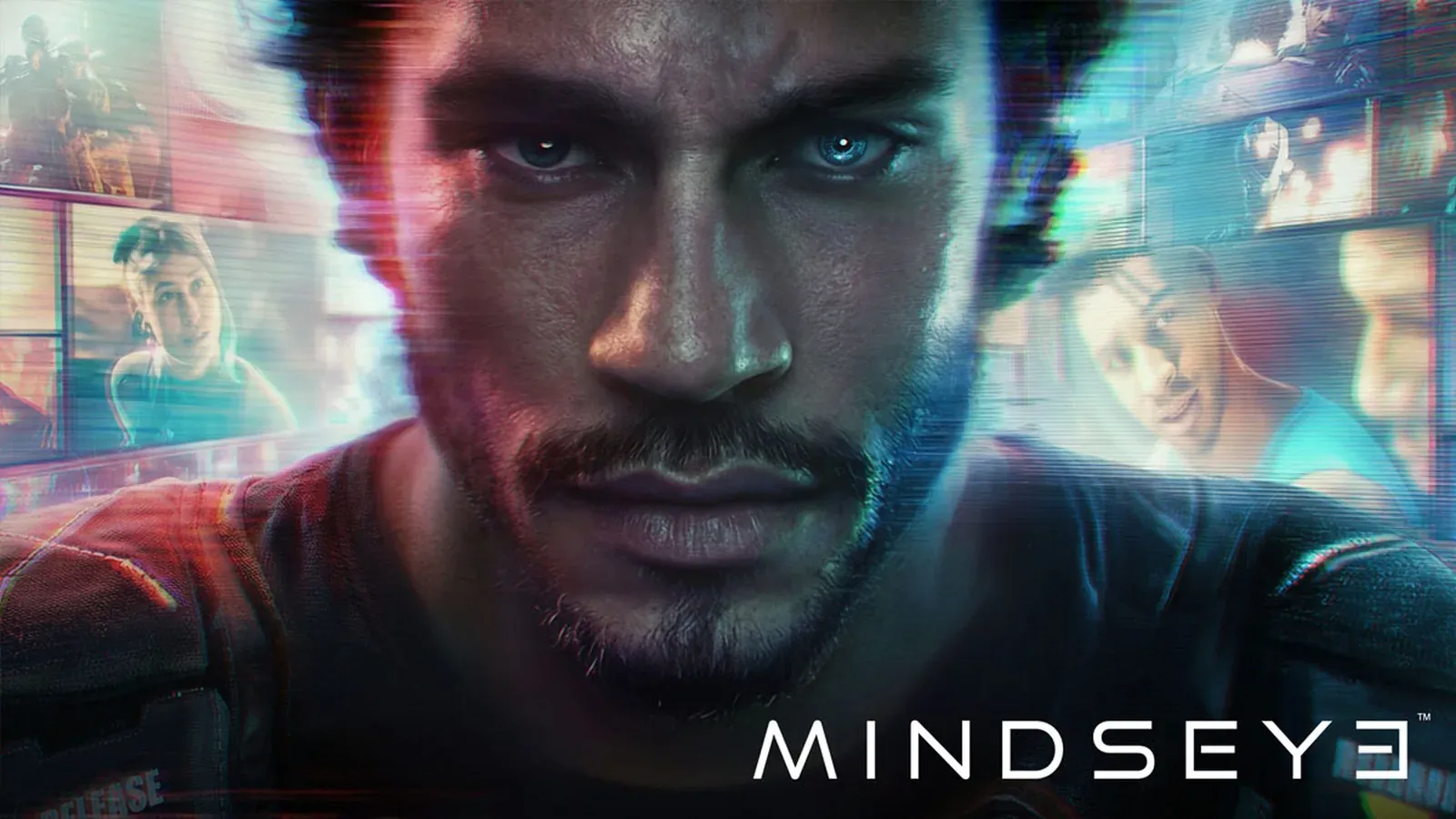
Fresh Build A Rocket Boy layoffs have renewed closure reports around MindsEye, but sources disagree on whether the company itself will be dissolved.
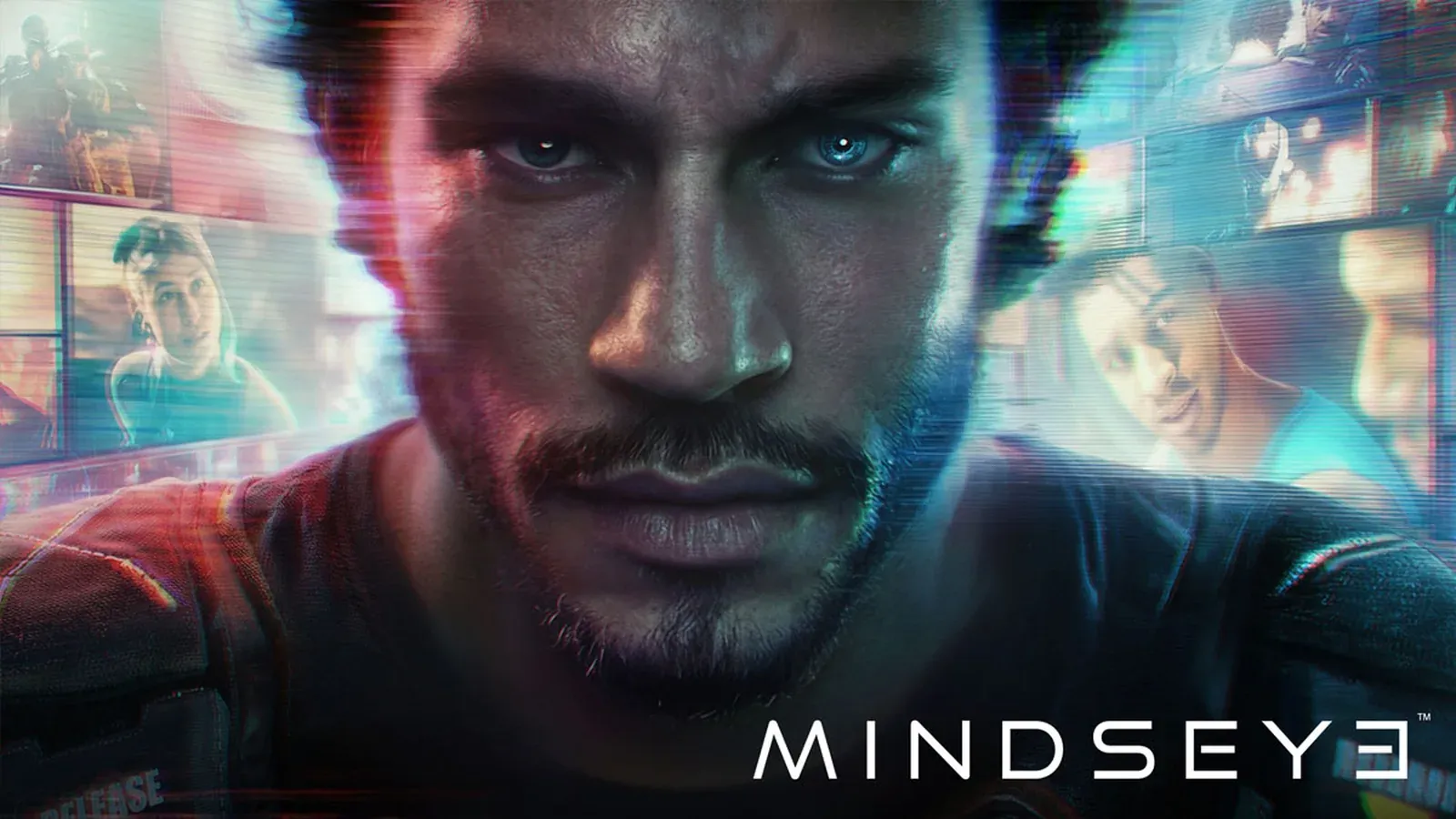
Image: techtroduce.com
Fresh redundancy posts have turned MindsEye’s future into a live risk question
Build A Rocket Boy staff have publicly described new redundancies, and one HR employee says he is staying with the studio “through till the very end” to help “wrap things up” in the HR department. That is the clearest concrete development in the latest wave of Build A Rocket Boy layoffs, and it is also the phrase driving the new round of Build A Rocket Boy closure reports.
The key tension is that this still is not the same as an official closure announcement. Rock Paper Shotgun, GamesIndustry.biz, Polygon, Game Developer, VGC, Kotaku, TheGamer, and Techtroduce all report staff departures or redundancy notices based on LinkedIn posts and sources, but the studio has not publicly confirmed the extent of the cuts in the source material provided. Several outlets say they have contacted Build A Rocket Boy for comment.
For MindsEye players, that distinction matters. A studio can shed most or all of its staff while a legal company remains on paper, while a studio that is operationally winding down may still have unresolved obligations around patches, support, storefront listings, ownership of the game, and existing content plans. The available reporting points to severe closure risk for the MindsEye developer. It does not yet establish, through a company statement, exactly what happens next to the game.
What is confirmed, and what is still being reported
The confirmed part is that multiple employees have said their time at Build A Rocket Boy is ending or that they are facing redundancy. Rock Paper Shotgun quotes principal talent acquisition partner Dan Hawkins saying on LinkedIn that he is “Open to Work” and that, after almost five years at BARB, he will be “seeing BARB through till the very end, helping wrap things up here in the HR department.” GamesIndustry.biz also cites Hawkins’ post and says the extent of the cuts is unclear.
Rock Paper Shotgun further quotes release manager Michaela Emslie as saying she had been given her redundancy notice “along with some of my fellow colleagues.” Polygon cites Emslie, Hawkins, and lead 3D weapon and prop artist Adam Ridsdale, who said he was facing redundancy “along with the rest of my colleagues at Build a Rocket Boy.” Game Developer similarly reports farewell posts from several staff members, including a technical level designer using the “green banner” shorthand for LinkedIn’s Open to Work status.
The reported part is whether this amounts to the MindsEye studio closing. Kotaku says sources familiar with the situation confirmed to the outlet that Build A Rocket Boy is permanently closing its doors. VGC cites Kotaku’s sourcing while also noting a conflicting IGN report in which another source familiar with BARB said the company might not be dissolved even if all staff are let go. GamesIndustry.biz repeats that IGN detail, and Rock Paper Shotgun notes the same caveat. In other words, the operational signal is grim, but the legal end state remains unannounced.
Closure risk is high, but the reports describe two different endgames
The fresh MindsEye developer layoffs look different from an ordinary post-launch contraction because the language is coming from HR and recruitment, not only from project staff. Hawkins’ role, as described by Rock Paper Shotgun and GamesIndustry.biz, was principal talent acquisition partner and HR operations lead. His post says he was the first hire into Build A Rocket Boy’s internal recruitment team and helped take the studio “from 200 to 550 in a short period of time.” When the person tied to hiring and HR operations says he is helping wrap things up “till the very end,” that is a strong operational signal.
Still, the conflicting reports should not be flattened into a single certainty. Kotaku’s sources say Build A Rocket Boy is closing permanently. IGN’s source, as cited by GamesIndustry.biz, Rock Paper Shotgun, and VGC, leaves open the possibility that the company may not be dissolved even if all remaining staff are let go. Those are different claims. One is about the studio as a functioning employer and developer. The other is about the corporate entity continuing to exist, potentially to manage rights, debts, residual business, or other obligations.
From a strategy perspective, the practical risk for players is closer to the first question than the second. If a development team is no longer staffed to maintain MindsEye, then the game’s live prospects shrink regardless of whether a company name remains registered. The unanswered question is whether Build A Rocket Boy, an external partner, or another rights holder will take responsibility for future support. None of the provided sources report such a handoff.
MindsEye entered this moment from a weak launch and a troubled recovery plan
The layoff claims are landing on top of a difficult year for MindsEye. GamesIndustry.biz reports that the action-adventure game launched in June 2025 to poor reception, with players reporting bugs and performance issues, last-minute cancellation of sponsored marketing streams, and poor reviews. VGC states that MindsEye had a 39 Metacritic score on PC and a 29 on PS5, calling it the worst-rated game of the previous year.
Build A Rocket Boy did continue work after launch. GamesIndustry.biz says the studio kept pushing updates, including a free starter pack trial on all platforms in November. The same outlet reports that Build A Rocket Boy announced a “new phase of ongoing development” for MindsEye in February, described as the company’s first notable PR push since the June launch. In March, according to GamesIndustry.biz, IOI Partners and Build A Rocket Boy concluded their publishing agreement for MindsEye.
That sequence is important. A recovery plan for a badly received game depends on three resources: enough developers to fix the product, enough trust to bring players back, and enough publishing or marketing support to keep the relaunch visible. The reporting around Build A Rocket Boy suggests pressure on all three. The studio had already made major cuts, public confidence in MindsEye had been damaged, and its publishing arrangement with IOI Partners had ended before these fresh redundancy claims.
The earlier cuts, protests, and sabotage claims now look like warning signals
GamesIndustry.biz says Build A Rocket Boy was thought to have laid off around 300 developers shortly after MindsEye launched, with further redundancies confirmed earlier this year. VGC reports layoffs totaling over 400 staff across numerous rounds. Those figures come from outlet reporting rather than a fresh company breakdown in the current stories, but they establish that the latest posts are not an isolated correction after a single failed launch window.
The studio’s public narrative around MindsEye’s failure also became part of the crisis. VGC reports that co-CEO Mark Gerhard suggested one of the main reasons for the game’s commercial failure was “criminal activity,” including “organised espionage and corporate sabotage.” Game Developer says Build A Rocket Boy claimed the troubled launch was due to those allegations. VGC adds that the Blacklisted DLC mission was presented by the studio as a way to “share some of the evidence of the sabotage with the community,” while also reporting that its release seemingly did not shift public opinion or the game’s fate.
Labor issues further narrowed the room for a comeback. Rock Paper Shotgun’s update includes a statement from IWGB Games Worker Union vice-chair Ben Newbon, who said the union could not add further insight into the “heartbreaking job losses” at BARB and described the company as one the union thinks had been “slowly spiralling for a long time.” Game Developer reports that IWGB legal action involved allegations of data privacy violations related to surveillance software on work devices, while GamesIndustry.biz notes staff protested outside the Edinburgh offices in July over an all-expenses-paid fan event they said was inappropriate given the scale of cuts already made.
What MindsEye players should watch before spending more time or money
No provided source says MindsEye has been delisted, that servers are shutting down, or that existing owners are losing access. The safe reading is narrower: the developer behind MindsEye appears to be undergoing another severe round of redundancies, multiple outlets report possible closure, and the studio has not clarified the game’s support roadmap in the material provided.
Players who already own MindsEye should watch official channels and storefront pages for signs that support is continuing. The clearest signals would be dated patch notes, platform certification updates, customer support messaging, and any statement identifying who is responsible for the game after the layoffs. Because GamesIndustry.biz reports that the studio previously continued updates and released a free starter pack trial on all platforms in November, the presence or absence of future updates is now the most practical health check.
Prospective buyers have a simpler decision. Given the reported bugs and performance issues at launch, the weak critical reception cited by multiple outlets, the ended IOI Partners publishing agreement reported by GamesIndustry.biz, and the new uncertainty around the development team, waiting for official clarification is the lower-risk move. A discounted price or free trial can reduce the financial downside, but it cannot answer whether MindsEye will receive meaningful long-term fixes.
The next move has to come from Build A Rocket Boy or whoever controls MindsEye
The current evidence points toward an operational wind-down, but the story has not reached a clean endpoint. Build A Rocket Boy has not, in the provided source material, announced a closure, published a final support plan for MindsEye, or explained whether another team will maintain the game. Kotaku’s sourcing says the studio is permanently closing. IGN’s cited source leaves open a scenario where the company is not dissolved even if all staff are let go. That contradiction is the center of the story, not a footnote.
For the wider industry, the case is also a reminder that post-launch rescue strategies are resource games. A troubled release can sometimes be stabilized through patches, pricing, communication, and community management, but each step requires people still in the building. The Build A Rocket Boy layoffs are now being described by affected staff in language that suggests those people may be leaving at scale.
Until there is an official statement, the responsible conclusion is this: the MindsEye studio closing scenario is credible and widely reported, but not formally confirmed by Build A Rocket Boy in the sources available. Players should treat future support as uncertain, workers affected by the cuts are already seeking new roles, and the next meaningful update will be any official word on who, if anyone, is still steering MindsEye.