
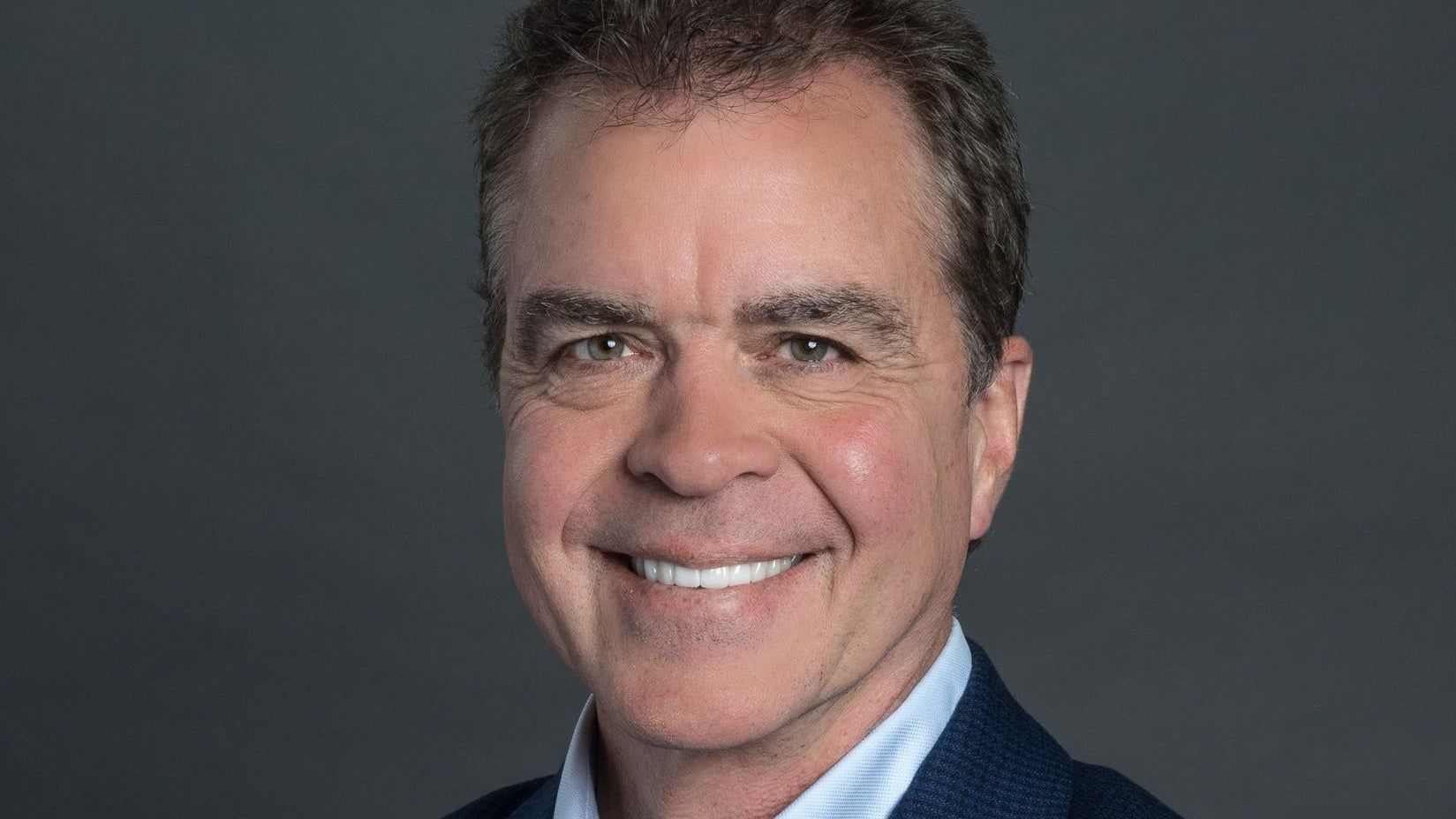
Brian Ward is leaving as Savvy Games Group CEO after a $38 billion Saudi gaming investment push, putting new scrutiny on PIF control, EA, Scopely, Niantic, and esports.
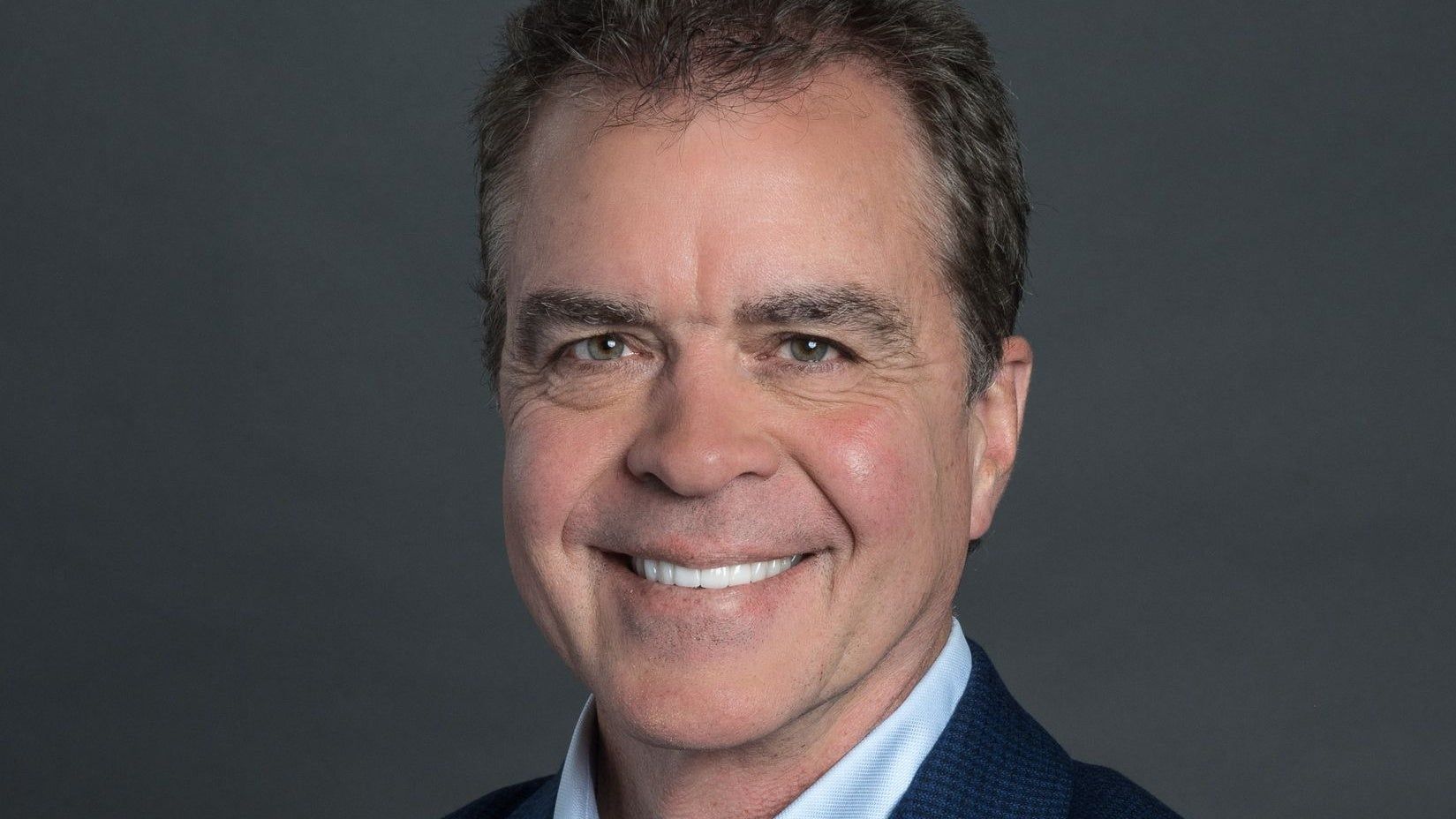
Image: gamesindustry.biz
Ward exits as Savvy reaches its most complicated phase
Brian Ward is stepping down as Savvy Games Group CEO, according to a staff note reviewed by Bloomberg and reported by GamesIndustry.biz, Eurogamer, Game Developer, Kotaku, and GamesBeat. Ward told employees that, “As Savvy embarks on its next period of transformational growth, this is the right time for new leadership for that evolution.”
That is the confirmed development. The tension around it is larger than a single executive change. Savvy Games Group is wholly owned by Saudi Arabia’s Public Investment Fund, according to GamesIndustry.biz, and was set up as the country’s dedicated video game investment arm. Ward has led it since its establishment in 2021, during a period in which the group oversaw roughly $38 billion in planned or deployed gaming investment, depending on the outlet’s rounding of the original figure.
The interim acting CEO will be Turqi Alnowaiser, GamesIndustry.biz and Eurogamer report. Alnowaiser is deputy governor of the PIF and head of its International Investments Division. GamesBeat adds that his background is in investment rather than game publishing, citing past roles at Saudi Fransi Capital and Morgan Stanley, and board seats connected to the Fund’s broader portfolio.
For publishers, developers, esports operators, and players, the leadership change lands at a strategic inflection point. Ward’s Savvy was built around acquiring game companies, growing Saudi Arabia’s place in the global games economy, and using esports as an international platform. Now the person temporarily in charge is not a games executive with prior leadership roles at EA, Xbox, and Activision, but a senior PIF investment official. That changes the read on Savvy’s next phase, even before any new strategy is announced.
What Savvy already controls across games
Savvy’s footprint is clearest in mobile and esports. During Ward’s tenure, the company acquired Scopely for $4.9 billion in 2023, as reported by GamesIndustry.biz and Eurogamer. Scopely is best known in the provided sources for Monopoly Go, one of mobile gaming’s biggest recent commercial successes. Savvy also acquired Niantic in a $3.5 billion deal, according to Eurogamer, Game Developer, and Kotaku, tying the Saudi-owned group to the company behind Pokémon Go.
GamesIndustry.biz also reports that Savvy acquired Moonton from ByteDance earlier this year, though the provided source text contains an apparent mismatch between a $6 million figure in the article excerpt and a link slug referring to $6 billion. Because the supplied sources conflict on that number, the safest confirmed point is the ownership move itself: Savvy added the Mobile Legends developer to its portfolio, while the precise transaction value should be treated carefully unless checked against the original filing or announcement.
Savvy’s esports exposure is another core part of the map. GamesBeat identifies ESL FACEIT Group as Savvy’s esports arm and says Ward’s status as chairman there is unclear following his CEO exit. Eurogamer characterizes Savvy’s esports spending as heavy and notes that the sector has yet to return much profit, describing it as functioning in part as a marketing venture for the Saudi state through the Esports World Cup.
This gives Savvy a portfolio with three different strategic rhythms. Mobile game studios produce direct consumer revenue and live-service cash flow. Esports assets can build influence, broadcast presence, and tournament infrastructure, but have a harder profitability profile. Saudi state ownership adds a political and reputational layer that ordinary publisher M&A does not carry. Ward’s job was to make those pieces look like a coherent long game rather than a scattershot spending spree.
The EA deal creates a second center of gravity
Ward’s departure comes shortly after the $55 billion acquisition of Electronic Arts by a consortium led by the PIF, according to GamesIndustry.biz and Eurogamer. Game Developer stresses that the EA transaction did not directly involve Savvy itself, even though it raised concerns because both EA and Savvy sit inside the broader Saudi gaming push. Kotaku similarly describes the EA buyout as a direct Saudi investment in gaming that does not run through Savvy.
That distinction matters. GamesBeat’s article says PIF invested tens of billions into games during Ward’s tenure, including the recently completed EA acquisition. Other supplied sources separate the two lanes more explicitly: Savvy is PIF-owned and has its own portfolio, while EA was acquired by a consortium led by the PIF. The most reliable synthesis is that the EA deal belongs to Saudi Arabia’s wider gaming investment strategy, but should not be folded into Savvy’s own acquisition list unless the structure is clarified by the companies involved.
Bloomberg reports, via sources familiar with the companies, that the EA acquisition prompted internal concern at Savvy over how the two giant Saudi-owned video game businesses will be run. Game Developer notes that it is unclear whether that concern played any role in Ward’s departure. That caveat is important. Ward’s staff note gives a transition rationale, but no source in the provided material confirms a direct causal link between the EA deal and his exit.
Still, from a strategy perspective, the concern is easy to understand. EA is a major publisher with global franchises, studios, sports licensing relationships, live-service operations, and a different capital structure following a massive leveraged buyout. Savvy, by contrast, is a holding and operating group built through acquisitions across mobile, esports, and ecosystem development. If both are ultimately tied to the same sovereign capital pool, executives will need clear rules on autonomy, capital allocation, hiring, publishing priorities, data, technology sharing, and brand risk.
Ward’s record: disciplined portfolio building with visible pressure points
George Osborn, author of Power Play and writer of the games industry memo, told Eurogamer that Ward “done a good job in a tough brief,” adding that Ward appeared to have handled the role diligently regardless of one’s view of the politics surrounding Saudi Arabia’s games strategy. Osborn said Savvy struck “a sensible balance between some smart value generating acquisitions and ecosystem building,” identifying Scopely as a key success and praising the decision to pull investment from Embracer at the right moment as an example of discipline.
That assessment captures the strongest case for Ward’s tenure. Scopely gave Savvy a proven mobile operator at a time when mobile live-service economics still offer scale that console publishers often envy. Niantic, as framed by the supplied sources, added one of the most recognizable location-based gaming brands in Pokémon Go. ESL FACEIT and the Esports World Cup positioned Saudi Arabia at the center of competitive gaming’s event economy, even as the long-term profitability of esports remains contested.
The pressure points are equally visible. Eurogamer says Savvy invested heavily in esports, a sector that has yet to produce much profit. Kotaku describes criticism around the PIF’s ownership and frames the Saudi state’s games push through the lens of human rights concerns. Game Developer notes that industry professionals have raised concerns about the PIF’s ownership of Savvy, and says members of the US Congress echoed concerns after the PIF-led EA buyout.
Ward’s profile gave Savvy industry fluency. GamesIndustry.biz notes his prior leadership roles at Electronic Arts, Xbox, and Activision. GamesBeat expands that background, saying he worked on portfolio strategy as Activision’s senior vice president of worldwide studios and helped lead the acquisition of 11 studios during an eight-year tenure. Replacing that operator mindset, even temporarily, with direct PIF investment leadership may signal tighter alignment with the Fund’s broader priorities, or simply a holding pattern while Savvy searches for a permanent CEO. The sources do not confirm which.
Publishers will watch capital discipline, autonomy, and reputational risk
For publishers and studios, the immediate question is whether Savvy under interim PIF leadership remains an aggressive buyer, becomes a more selective operator, or gets reorganized around the new EA reality. Bloomberg’s report, as summarized by Kotaku, says Ward’s departure comes amid other management shifts across PIF’s portfolio as the investment vehicle looks to rein in costs. If that cost-control context applies to games, acquisition targets may face a different negotiating environment than they did during the first phase of Savvy’s expansion.
There is also a governance question. Alnowaiser’s appointment places a senior PIF figure directly in the CEO seat on an interim basis. Kotaku argues this removes separation between Savvy and its state owner; that is Kotaku’s characterization rather than a formal corporate finding. The confirmed fact is narrower but still significant: the deputy governor of the PIF is temporarily running the PIF-owned games group.
Studios inside Savvy’s portfolio will be watching for changes in reporting lines, capital approval, and operating freedom. Mobile companies such as Scopely and Niantic live or die by fast product iteration, user acquisition spending, live events, licensing relationships, and platform rules from Apple and Google. Esports operations need long-cycle venue, broadcast, sponsorship, and travel planning. A shift in parent-company priorities can affect those mechanics even if no consumer-facing game changes immediately.
External publishers have their own calculation. Saudi capital remains one of the few pools large enough to finance transformative games M&A at a time when public markets have punished uneven growth and many publishers have cut staff. At the same time, accepting that capital can bring political scrutiny, employee pushback, regulatory attention, or fan criticism. The Ward era gave potential sellers a known industry negotiator. The next phase may feel more like dealing directly with sovereign investment strategy.
Players may not see instant changes, but ownership still shapes games
For players, there is no confirmed change to Pokémon Go, Monopoly Go, Mobile Legends, EA Sports FC, Battlefield, The Sims, or any other named game in the provided sources as a result of Ward’s departure. No outlet in the source material reports new prices, shutdowns, release delays, platform changes, performance issues, or content alterations tied to the leadership move.
That does not make the story remote from players. Ownership shapes games over time through budgets, monetization targets, studio consolidation, live-service priorities, esports calendars, licensing strategy, and tolerance for risk. A mobile-first owner may emphasize user acquisition and event cadence. An investment arm under cost pressure may push for efficiency. A state-linked owner may prioritize global visibility through tournaments or flagship franchises.
The EA deal is especially relevant for players because it introduces another Saudi-backed giant adjacent to Savvy’s portfolio. Bloomberg’s reported internal concern over how the two businesses will be run points to the same question players will eventually feel in practical ways: whether these companies operate independently, share strategic priorities, or become part of a larger coordinated gaming stack.
For now, the useful guidance is caution against over-reading. Brian Ward steps down as Savvy Games Group CEO, Turqi Alnowaiser steps in on an interim basis, and Bloomberg reports internal concern following the PIF-led EA acquisition. Anything beyond that, including claims of specific layoffs, game changes, or portfolio restructuring, remains unannounced in the provided material.
The next CEO will define Savvy’s second act
Savvy’s first phase was about entry at scale. The group bought major mobile assets, built esports influence, and established Saudi Arabia as a major force in gaming industry business news. Ward’s departure moves the story into a second phase defined less by how much money Saudi Arabia can spend and more by how coherently it can manage what it already owns.
The key unresolved questions are practical ones. Will Savvy keep pursuing acquisitions, especially after the PIF-led EA buyout changed the shape of Saudi gaming ownership? Will ESL FACEIT and other esports investments be run for eventual profitability, geopolitical visibility, or both? Will Scopely, Niantic, Moonton, and other portfolio companies retain wide independence? Will a permanent Savvy Games Group leadership appointment come from inside games, from the PIF, or from another global entertainment business?
Osborn’s warning to Eurogamer is the sharpest open point: Ward built “an impressive portfolio on behalf of the Saudi state,” but “whether it remains intact after this is another question.” That is where the story now sits. The announced leadership change is confirmed. The strategic reset is not yet formally explained. Publishers and players should watch less for ceremonial statements and more for the first hard signals: executive appointments, board changes, spending cuts, new acquisitions, esports commitments, and any clarification of how Savvy and EA fit inside Saudi Arabia’s expanding games strategy.