
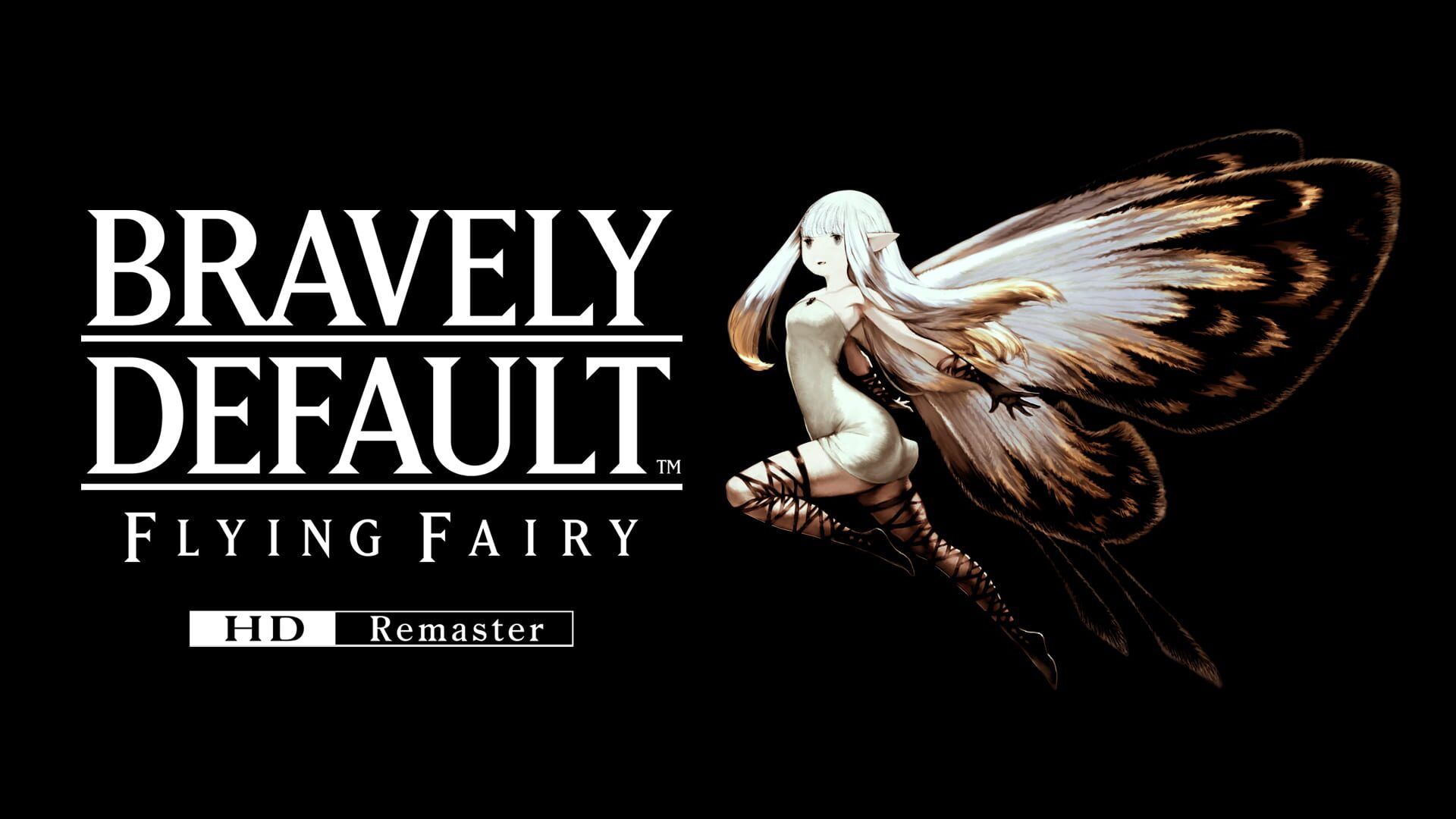

Square Enix’s former Switch 2 launch exclusive just shadow dropped on Steam and Xbox. Here is why the exclusivity window ended quickly, how the pricing stacks up, and whether this 2026 port can truly grow Bravely Default’s audience.
Bravely Default Flying Fairy HD Remaster has pulled off a second act almost as dramatic as its story’s great chasm. After launching as a marquee Nintendo Switch 2 title in June 2025, Square Enix has quietly ended its console exclusivity and shadow dropped the game on PC via Steam and Xbox Series X|S in March 2026.
For a series that once felt welded to Nintendo handhelds, seeing Bravely Default’s first adventure appear on storefronts next to Game Pass staples and Steam Deck favorites is a genuine turning point. The question is whether this late‑cycle expansion is just a victory lap or a real bid to grow the audience for one of Square Enix’s best modern JRPGs.
From Switch 2 showcase to multi‑platform in under a year
When Bravely Default Flying Fairy HD Remaster arrived as a Switch 2 launch title, it filled a very specific niche. Nintendo’s new hardware needed prestige RPGs that played to its strengths, and Square Enix’s remaster of the 2012 3DS classic did exactly that with HD art, fast‑forward options, and a UI tuned for handheld play.
At the time, coverage and marketing framed it as a significant exclusive. PC Gamer even cited the remaster as one of the few real differentiators in the Switch 2’s lineup compared to the Steam Deck. That narrative lasted less than a year. On March 12, 2026, Square Enix simultaneously announced and released PC and Xbox versions with no traditional pre‑launch campaign and a launch discount baked in.
This is not just a timed exclusivity quietly expiring in the background. The move is a very public pivot away from treating Bravely Default as a Nintendo‑anchored franchise toward treating it like a modern cross‑platform JRPG brand.
Why the exclusivity window closed so quickly
Square Enix has not put out a detailed breakdown of its deal with Nintendo, but the timing and messaging around the PC and Xbox release paint a pretty clear picture of what happened behind the scenes.
First, this looks almost exactly like a one‑year console exclusivity agreement. Switch 2 owners got the remaster at launch in June 2025, it served its role as a prestige third‑party RPG through the crucial first holiday season, then the ports dropped as soon as a typical 9‑to‑12‑month window passed.
Second, the shadow‑drop approach and cross‑platform parity suggest the ports were ready, or nearly ready, long before March 2026. Reporting and community speculation around the Steam version point to a build that had likely been in QA for some time. That aligns with Square Enix’s broader strategy on re‑releases, where PC versions often arrive not as afterthoughts but as parallel builds held back by marketing and contractual timing.
Third, the way Square Enix is framing the launch leans into reach rather than exclusivity. The official press materials highlight three things above all else: Steam availability, Xbox Play Anywhere support, and handheld optimization for Steam Deck and ROG Xbox Ally. That combination makes it obvious this phase of the remaster’s life is about access and convenience instead of platform prestige.
In other words, Bravely Default Flying Fairy HD Remaster already extracted its value as a Switch 2 showcase. Now it is being repositioned as a library staple that can help keep the brand visible as Square Enix figures out the future of the series.
What the PC and Xbox versions actually offer
The PC and Xbox releases are essentially the same feature‑complete package Switch 2 players got in 2025, just adapted to new ecosystems.
The core of the remaster is a high‑definition re‑presentation of the 2012 Bravely Default that most Western players knew through its updated For the Sequel edition. Character models, environments, and effects have all been touched up to read cleanly on modern displays, but the painterly backgrounds and storybook framing remain intact.
The remaster keeps the series’ signature Brave and Default combat system, where choosing to bank or spend future turns lets you spike damage or play defensively at the risk of leaving your party exposed. It was a clever twist on turn‑based design in 2012 and it still holds up in 2026, particularly on platforms where fast loading and quick‑resume reduce the friction of grinding and experimentation.
Alongside visual tweaks you get a modernized interface, cutscene fast‑forwarding, and other quality of life tricks that make retrying boss fights or revisiting story beats less of a time sink. Two new minigames, Luxencheer Rhythm Catch and Ringabel’s Panic Cruise, round out the package with light diversions that lean into the game’s playful tone.
On PC and Xbox specifically, a few details stand out. The Steam version is Steam Deck Verified out of the gate, which puts it in front of a large audience that treats Deck compatibility as a filter when shopping. On Xbox, the game supports Xbox Play Anywhere, so buying it once grants access on both console and Windows through the Microsoft Store, with shared saves. Both platforms benefit from higher resolutions and more stable performance than the 3DS original could ever approach, while still matching what Switch 2 players already have.
Pricing and value in 2026
Square Enix has priced Bravely Default Flying Fairy HD Remaster at around $39.99 on PC and Xbox, but it launched with a 20 percent introductory discount that drops it to roughly $31.99. The sale window mirrors the Steam promotion that accompanied the original PC shadow drop and lasts a couple of weeks after release.
For a first‑time player in 2026, the value proposition is strong if you are the target audience. This is a substantial traditional JRPG with a full party’s worth of character arcs, a multi‑chapter world‑spanning story, and combat that encourages thoughtful planning over pure stat brute forcing. Clearing the main campaign and optional content can easily push past the 60‑hour mark, even if you lean on fast‑forwarding and encounter rate tweaks to streamline the grind.
Where the price can feel less friendly is for returning fans who already bought it on Switch 2 less than a year ago. There is no cross‑buy or upgrade discount between Nintendo’s ecosystem and the new platforms, and the PC / Xbox releases do not add new story chapters or major mechanical systems beyond what the remaster already shipped with in 2025. If you are simply chasing higher resolution or the convenience of playing on a different device, the double‑dip calculus becomes more personal.
For players who skipped Bravely Default on 3DS or missed the Switch 2 remaster at launch, though, the current discount makes it one of the better value mid‑priced RPGs in the market. It sits comfortably below the $70 tier of new blockbusters while offering more content and mechanical depth than many budget JRPGs that land in the $20 range.
Who actually benefits from this shadow drop
The biggest winners from the surprise PC and Xbox release are the groups that had the fewest realistic options to play Bravely Default in 2025.
PC‑only RPG fans now get a native port that respects the platform with Steam Deck support and a fair launch discount. The Steam ecosystem in particular is full of players who discovered Japanese RPGs through ports of Final Fantasy, Persona and Yakuza. Bravely Default Flying Fairy HD Remaster now occupies that same discovery space, recommended through tags, user reviews and the Deck Verified badge.
On Xbox, the picture is more complicated but still positive. Traditional JRPGs have historically struggled on Microsoft platforms, but in the Series X|S era, Game Pass and a steadier flow of Japanese titles have slowly shifted perceptions. Even without a Game Pass debut, having Bravely Default present on the store, optimized for ROG Ally style handhelds and framed as a Play Anywhere purchase, helps flesh out the platform’s RPG shelf in a way that could pay dividends over time.
Handheld‑focused players might be the stealth beneficiaries here. Between Steam Deck, ROG Ally and the Switch 2 version that already exists, Bravely Default has quietly become one of the more flexible modern JRPGs in terms of where and how you can play it. That mirrors the role the original 3DS release served back in 2012 for portable‑first players.
Does this really expand the audience in 2026?
In raw numbers, yes. Moving from a single console to PC and Xbox dramatically increases the potential addressable audience, and early community responses on Reddit and PC‑focused forums suggest there was pent‑up demand from players who had either never owned a 3DS or do not intend to buy a Switch 2.
The more interesting question is whether that audience expansion is meaningful for the series’ future. Bravely Default does not arrive on PC and Xbox as a brand‑new game competing head‑to‑head with 2026 releases. It is a remaster of a 2012 title, following in the wake of Bravely Default II on other platforms and fighting for attention against a crowded field of modern turn‑based RPGs.
What the multi‑platform shift does accomplish is positioning Bravely Default as a cross‑ecosystem name rather than a Nintendo curiosity. When Square Enix looks at sales data and engagement across Switch 2, Steam and Xbox over the next year, it will have a much clearer read on whether there is appetite for more in this style, be it a remaster of Bravely Second, a fresh sequel or a new spiritual successor.
In that sense, the shadow drop is less about a single sales spike and more about testing how far the series’ nostalgic charm can travel outside Nintendo’s orbit. If enough new players latch onto Agnès, Tiz and the Brave and Default system in 2026, this surprise PC and Xbox launch may end up being remembered as the moment Bravely Default finally stepped fully into the modern multi‑platform era.