
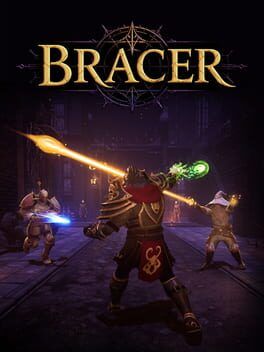

The Bracer demo is live on Steam through August 7. Here is how to try the limited-time playtest, what its dark fantasy SHMUP combat offers, and what roguelite fans should know before jumping in.
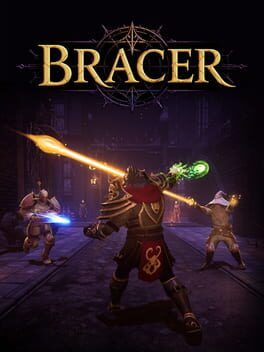
Image: IGDB
Store links: Bracer on Steam, Sky is Arrows: Dragon Bracer Item Chest on Steam
Bracer has a one-week Steam window, and the genre label deserves care
Akupara has launched a limited-time Bracer demo on Steam, with MonsterVine reporting that the playtest went live July 31 and runs through August 7. That gives curious PC players a short window to try the upcoming game’s combat before the team uses feedback to tune the project ahead of release.
The immediate hook is simple: if you are scanning Steam for a new Steam demo this week, Bracer is available now. The wrinkle is genre expectation. The source material describes Bracer as an upcoming 3D fantasy SHMUP, meaning a shoot ’em up built around projectiles, dodging, waves of enemies, hazards, looting, and slashing. It also lays out a character-driven dark fantasy premise with three heroes and a curse spreading through the land.
That combination may attract players who usually chase narrative roguelite demos, especially anyone drawn to repeatable combat pressure, clear hero archetypes, and fantasy stakes. But the confirmed source does not identify Bracer as a roguelite. If you are searching for Bracer roguelite details, the honest read is that Bracer currently has some adjacent appeal, while core roguelite features such as procedural runs, permadeath, or meta-progression have not been confirmed in the provided material.
How to try the Bracer Steam playtest before it disappears
The practical part is refreshingly direct. MonsterVine reports that the Bracer demo is live on Steam and will remain available until August 7. The Steam page linked in that report is store.steampowered.com/app/4394480/Bracer/, so players looking for the Bracer Steam playtest should start there while the window is open.
Because the report describes the demo as available now, players should not need to track down an off-platform sign-up page from the source material we have. The safest guidance is to visit Bracer’s Steam listing during the July 31 to August 7 period and use whatever demo or playtest access option Steam presents on the store page. Steam often handles demos and playtests through the store listing itself, but the exact button wording can vary by title and account state.
The limited timing matters. This is not a permanent demo availability claim. Akupara is using the playtest to gather feedback on what works, what needs tuning, and what players respond to most, according to MonsterVine. If Bracer is on your radar, waiting until after August 7 risks missing the current public test unless Akupara later reopens access or posts another demo window, neither of which is announced in the provided sources.
The story pitch is dark fantasy with three readable hero routes
Bracer’s narrative setup is the part most likely to catch players who normally browse for narrative roguelites rather than pure arcade shooters. MonsterVine reports that the game centers on a necrotic curse connected to a malevolent bracer worn by someone once familiar. The curse has corrupted the sacred tree of life into the tree of death, sending undead armies upward from its underground tendrils.
That premise gives the demo a sharper fantasy identity than a neutral wave-clearing arena. The villain is tied to a personal object, the world’s sacred center has been inverted, and the enemy force is not a random monster outbreak but a curse moving through the land’s roots. For an indie action game, those details can do a lot of work quickly. They frame each encounter as part of a spreading wound rather than a disconnected combat room.
The playable side is also built around immediate archetypes. The source names three heroes: a Knight, a Wizard, and a Bounty Hunter. Each has their own reason for chasing the villain and trying to end the curse. The sources do not spell out their movesets, progression, or whether the demo lets players sample all three, so that remains a question for the Steam playtest. Still, the trio signals a design lane that narrative-minded players often appreciate: distinct perspectives on a shared calamity, with enough class fantasy to make a first run feel personally chosen.
The confirmed play is forward pressure, projectiles, and close-range danger
On mechanics, Bracer’s confirmed identity is clearer. MonsterVine describes it as mixing 3D fantasy action with shoot ’em up pressure. Players blast, dodge, loot, and slash through waves of enemies, hazards, and projectiles. The report also says forward motion keeps the pressure on, forcing players to keep moving even when the screen gets crowded.
That last detail is the one to watch in the demo. Many action games become manageable once players find a safe corner, thin the pack, and reset the fight. Bracer’s described forward motion suggests a less forgiving rhythm. If the level or encounter flow keeps pushing the player onward, then survival depends on reading projectile patterns while maintaining offense, not simply kiting forever.
For SHMUP players, that sounds like familiar pressure translated into a fantasy action space. For roguelite fans, it may scratch a nearby itch: rapid decision-making, crowd control, pickups, and the tension of improving through repeated attempts. The important caveat is that none of the source material confirms run structure. The demo should be approached as a test of combat feel first, with narrative and progression questions left open until Akupara or the Steam listing provides more detail.
Roguelite expectations should be separated from what Akupara has shown
The word roguelite carries baggage because players use it to mean different things. The provided background from Wikipedia notes that traditional roguelikes are associated with procedural dungeons, turn-based play, grid movement, and permanent death, while the exact boundaries of the genre remain debated. Modern roguelites often borrow selectively from that heritage, especially replayable runs and escalating build choices, but the label still sets expectations.
That is why Bracer needs careful wording. The available Bracer source confirms a 3D fantasy SHMUP demo with dark fantasy storytelling, three heroes, loot, waves, hazards, projectiles, and a feedback-focused Steam playtest. It does not confirm procedural generation, permadeath, randomized builds, run-based campaign structure, or persistent upgrades.
So who should try the indie roguelite demo search result anyway? Players who like roguelites because they offer compact, high-pressure combat tests may find Bracer’s demo relevant. Players specifically looking for a systems-heavy run builder should treat that as unannounced until the Steam page, Akupara, or another official source says otherwise. That distinction is not nitpicking. It helps players spend a limited demo week on games that match the kind of discovery they actually want.
Bracer arrives in a busy week for free indie sampling
Bracer is landing at a moment when Steam discovery is especially crowded. Fix Gaming Channel has a current roundup framed around ten free Steam playtests that players can request access for, spanning zombie co-op, roguelikes, horror, RPGs, and PvPvE PC games. Separately, an r/AutoBattler post points players toward a Steam demo for the roguelite autobattler Guildrun, while developer joespacio posted that Draftula’s Steam demo is out with a rebalanced campaign, new quests, an overworld with characters, and a nightly challenge with shuffled rooms, modifiers, and a leaderboard.
Those examples matter because the competition for attention is not only between released games. It is between limited demos, playtests, jam-to-Steam projects, and small teams asking for feedback while player curiosity is still fresh. In that field, Bracer’s clearest differentiator is its hybrid pitch: dark fantasy narrative framing attached to 3D shoot ’em up movement pressure.
For Luna Pixel Perfect Kim’s usual indie beat, that is the kind of craft question worth testing hands-on. Does the camera make projectiles readable? Does forward movement feel exciting rather than coercive? Does melee slashing create useful risk-reward choices alongside blasting? Does loot interrupt the flow or give each fight a reason to breathe? The sources do not answer those questions, but the demo exists precisely so players can start forming those judgments and send feedback while Akupara is still listening.
What is still unannounced, and who should jump in now
The provided sources do not list a final Bracer release date, price, PC requirements, console platforms, full character details, or post-demo plans. Steam is the only confirmed access point in the source material, and August 7 is the only confirmed end date for the current demo window. Anyone looking for Switch, PlayStation, Xbox, or Steam Deck specifics should wait for official listings or publisher communication rather than assuming support.
If you enjoy fantasy action and can spare time before August 7, the Bracer demo is worth a look because it is a live feedback opportunity, not simply a marketing trailer. Your impressions on combat readability, difficulty tuning, hero feel, and pacing are exactly the kind of information Akupara is reportedly seeking through the playtest.
If you are here strictly for a confirmed roguelite, be more cautious. Bracer may appeal to roguelite fans through its pressure, hero setup, and repeatable combat potential, but the confirmed pitch is a 3D fantasy SHMUP. Treat the current Bracer demo as a chance to test that hybrid for yourself, and keep your expectations anchored to what has actually been announced.