
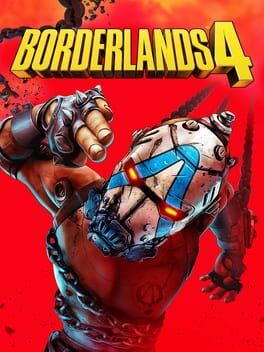

Why physical Nintendo Switch 2 copies of Borderlands 4 exist even as the port is on hold, and what this retail oddity reveals about modern multi-platform launches.
Physical Nintendo Switch 2 copies of Borderlands 4 are circulating online even though the port itself is officially on hold. It is a perfectly modern contradiction: a game that both exists and does not, at least on Nintendo’s upcoming hardware.
Listings spotted on secondhand marketplace Vinted and images reportedly taken in a Russian retail shop show boxed copies of Borderlands 4 branded for Switch 2. The catch is that these are Game-Key Card releases. There is no game data on the card, only a code meant to trigger a download from Nintendo’s servers. With development of the Switch 2 version paused indefinitely due to technical problems, those servers do not appear to be serving anything. Owners are left with a card that refuses to start a download and a box that implies a version of the game that is functionally missing.
This is not a standard broken street date situation. When publishers ship discs or cartridges early, the data usually exists and a day one patch completes the picture. Here, the product pipeline for Borderlands 4’s Switch 2 version seems to have split in two. Manufacturing of packaging and Game-Key Cards advanced far enough that physical stock was produced and at least partially distributed. On the development side, though, Gearbox and 2K hit enough technical turbulence to put the entire Switch 2 port on hold in February. The result is a stranded SKU, with retail remnants of a launch that no longer has a schedule.
Game-Key Cards magnify the weirdness. Traditional cartridges carry a finished or near-finished build of a game. When their platform version is canceled late, unsold stock is normally destroyed and any copies that leak out still contain a working game. With Game-Key Cards, the card is effectively a license pointer to an online build that can be activated or deactivated at a platform holder’s discretion. If the backend product page is disabled or never finalized, the physical object immediately becomes a dead end. Borderlands 4’s Switch 2 copies illustrate how fragile this model is when a project’s status changes after packaging is already in motion.
For retailers, this creates a new flavor of confusion. A boxed game that will never download is not just a misprint, it is an unsellable item in any normal sense. Stores that received even small allocations must now treat these as defective despite pristine packaging. There is no way to mark them down or move them through clearance because the issue is not price, it is functionality. The safest path is silent return and destruction of stock, which only makes the few copies that escape into the wild more likely to be treated as oddities or collector’s items rather than consumer products.
From the publisher’s perspective, the situation underlines how tightly manufacturing timelines and digital release pipelines need to be synchronized. Packaging and print materials are often locked in months ahead of launch, especially for a global title like Borderlands 4 that targets multiple platforms day one. When a specific platform port runs into technical hurdles late in the schedule, it is no longer enough to simply hit pause on code development. Product codes, eShop entries, and Game-Key Card SKUs must all be updated or pulled, and any physical materials that have already entered distribution need to be contained. Here, the containment clearly was not perfect.
The implications reach beyond a single game. Borderlands 4’s frozen Switch 2 boxes are an early stress test of how next generation Nintendo publishing will handle staggered or troubled ports. As large multi-platform releases try to hit PC, PlayStation, Xbox, and Switch 2 within the same quarter, the most technically demanding version will often dictate the schedule. When one platform lags behind, publishers will have to decide whether to delay all versions for parity or accept asynchronous launches. If Switch 2 ports hit serious performance walls, more projects could find themselves in the limbo Borderlands 4 currently occupies, announced but undated and with physical plans already in motion.
There is also a quiet warning here about reliance on always-online delivery for physical products. Game-Key Cards cut manufacturing costs and sidestep cartridge size limits, but they convert a tangible box into a promise that only holds as long as the platform holder’s backend is configured to honor it. If a port is deferred indefinitely, that promise is temporarily void and the physical presence of the product turns from reassurance into frustration. Players who see Borderlands 4’s Switch 2 case on a shelf might reasonably expect some playable form of the game. Instead, early buyers have discovered that the box is ahead of the schedule in a way the software is not.
Whether these copies become genuine collector pieces will depend on what happens next. If Gearbox and 2K eventually solve their technical problems and resurrect the Switch 2 version, the current Game-Key Cards might be patched into usefulness, transforming what is now an inert curio into an ordinary retail release. If the port is quietly canceled, these stray boxes could stand as leftovers from a version that never officially existed. In both outcomes, the episode highlights a growing disconnect between how physical games look and how they actually work.
Borderlands has always thrived on chaos, but the Borderlands 4 Switch 2 situation points to a different kind of disorder, one rooted not in in-game mayhem but in supply chains, backend infrastructure, and the challenges of shipping a huge shooter on every platform at once. For players, it is a reminder to be cautious about niche or early physical listings, especially when a specific platform version has already been publicly flagged as delayed. For the industry, it is an early case study in what can happen when physical production cannot keep up with the shifting realities of modern multi-platform development.