
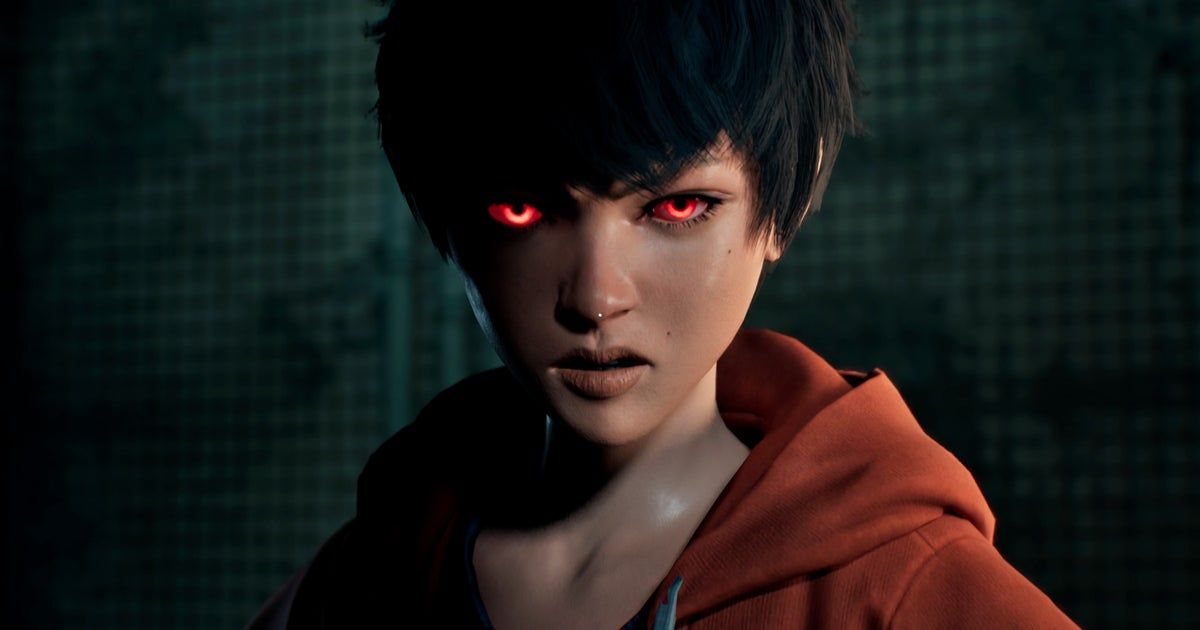

A reported Bokeh casting call offers the first concrete signals for Keiichiro Toyama’s next horror project, but fans should keep expectations measured on reveal timing, platforms, and release date.
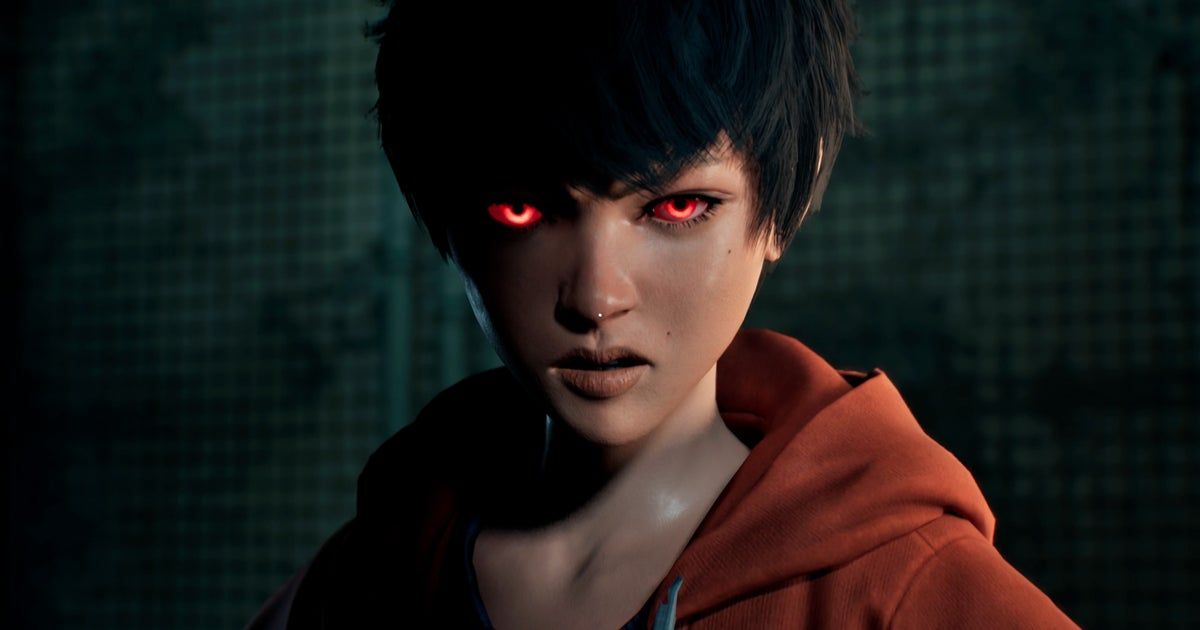
Image: eng.pressbee.net
Bokeh’s next project appears to be recruiting bodies for the nightmare
Bokeh Game Studio is reportedly casting motion capture performers for its next project, and the material described by MP1st points toward another horror game from Keiichiro Toyama’s studio. That is the strongest concrete development here: not a trailer, not a store page, not a title reveal, but casting paperwork for performance capture work on an apparently still-untitled game.
Eurogamer, citing MP1st’s report, says the Bokeh casting call includes characters named River, Dean, Lyra, Hazel, Becca, Dena, Emma, and an eight-year-old girl. The descriptions reportedly include mature subjects such as drug use and trafficking, violence, abuse, grief, and sex work. Eurogamer also notes that several characters are tied to creature transformation, a detail that immediately pulls the project closer to Bokeh’s debut game, Slitterhead, than to a clean break from it.
That does not make this an official announcement. Bokeh has not, in the provided source material, named the game, announced platforms, dated a reveal, confirmed a publisher, or described its systems. The phrase “Bokeh Game Studio new horror game” is still being built from reporting around a casting call, not from a press release. For fans watching every shadow around a Siren creator new game, that distinction matters. Casting documents can expose tone, character priorities, and production movement, but they are not a promise of when the thing will step into the light.
The casting call suggests a character-led horror game with full performance capture
The clearest production signal comes from the kind of work Bokeh is reportedly hiring for. MP1st says the studio is seeking performers for motion capture on the untitled project. In the River description quoted by MP1st, the role calls for “full body, face, and voice performance capture,” with “photogrammetry and likeness anticipated.” That language suggests Bokeh is not merely filling background animation sessions. At least for River, the team appears to be looking for a performer whose body, face, and voice could define a major character.
River is described in MP1st’s report as a white man in his early 20s, “a high-strung young man living at society’s edge,” sharp, wounded, defensive, volatile, and vulnerable. The casting material reportedly asks for an emotionally fearless performer with major dramatic range and physical intensity, and it lists River Phoenix and Kurt Cobain as visual references without asking for an impersonation. Eurogamer adds that Lyra’s entry points to Mia Goth as a tonal reference.
Those references are useful without being definitive. They suggest a project interested in bruised charisma, instability, and camera-facing intensity. They do not confirm genre mechanics, combat structure, camera perspective, or whether this Keiichiro Toyama horror game will play like Slitterhead, Siren, Silent Hill, or something else entirely.
Dean, according to the portion of MP1st’s casting text included in the source material, is a Hispanic man in his early 20s and River’s closest friend, described as funny, resourceful, fiercely loyal, street-smart, warm, and carrying a dangerous edge. Eurogamer’s broader summary of the sheet lists a larger ensemble, which matters because Toyama’s horror has often drawn power from human networks under pressure. Here, the casting details indicate an ensemble with social proximity, trauma, and transformation built into its early public footprint.
The themes sound grim, but the shape of the horror is still unconfirmed
The Bokeh casting call, as reported, leans hard into adult material. Eurogamer summarizes the sheet as covering drug use and trafficking, violence, abuse, grief, and sex work. MP1st’s River entry includes a content advisory for mature psychological horror, violence, strong language, trauma and abuse, drug-related death, sex-work context, and non-explicit, fully clothed interrupted intimacy.
That is a heavy set of ingredients, and it points toward horror grounded in exploitation, bodily instability, and social damage rather than a simple creature feature. Still, the practical reading should stay narrow. A casting call can tell us what performers may need to portray. It cannot tell us how those themes will be handled in the finished game, whether they will become interactive systems, or whether current character biographies will survive development unchanged.
MP1st itself warns that character names, backgrounds, and other details can change during development. That warning is important. Casting sheets often represent a snapshot of a production at a particular moment. They can include placeholder names, evolving relationship maps, and tonal references that are meant for audition rooms rather than marketing beats.
For horror players, the useful takeaway is that Bokeh appears to be building around performance, bodies, and transformation again. If Slitterhead’s most unusual tension came from possession, monstrous forms, and the friction between human identity and predatory survival, this reported casting material suggests Toyama’s team may still be circling that raw nerve. The difference, if there is one, remains hidden. We do not yet know whether this project will emphasize stealth, action, scarce resources, investigation, chase pressure, or something stranger.
Toyama’s legacy makes the casting more revealing, and more dangerous to overread
Keiichiro Toyama’s name carries unusual weight because it touches several different player expectations at once. Eurogamer identifies him as the director of the original Silent Hill and the creator of Siren and Gravity Rush. MP1st adds that Toyama left Konami for Sony Interactive Entertainment in 1999, worked at SIE from 1999 to 2020, and started Bokeh Game Studio in 2020.
That résumé is exactly why a Bokeh casting call can set off alarms across horror circles. Silent Hill primes readers to expect psychological dread, Siren primes them to expect rural terror, enemy pressure, and human vulnerability, and Gravity Rush reminds everyone that Toyama’s imagination is not confined to horror corridors. The Gravity Rush creator returning to dark material does not automatically mean he is remaking his past. It does mean fans will look for familiar pressure points: disorientation, bodies behaving wrong, sound as threat, and characters trapped by systems they do not fully understand.
The current details support only part of that expectation. The reported mature themes and creature transformation links sit comfortably within Toyama’s broader taste for unstable identity and hostile worlds. The emphasis on full performance capture, if it remains central, could also indicate a project that relies heavily on actors to sell fear, grief, addiction, loyalty, and violence up close.
What the sources do not support is a claim that this is a new Siren, a spiritual successor to Silent Hill, or a direct continuation of Slitterhead. Eurogamer says the casting details sound surprisingly close to Slitterhead, but that is an editorial observation based on the reported themes and transformation elements. Until Bokeh identifies the game, “Siren creator new game” is a useful search phrase, not a genre contract.
Slitterhead’s reception hangs over the next move
Bokeh’s debut, Slitterhead, launched in 2024, according to Eurogamer. Eurogamer’s listing in the same article identifies Slitterhead for PC, PS4, PS5, and Xbox Series X/S. MP1st describes the game as self-published by Bokeh and frames it as a difficult first release commercially and critically, saying the studio did not disclose sales data.
The public picture around Slitterhead is mixed rather than cleanly settled. Eurogamer notes that it “didn’t exactly set the world alight,” while also pointing to its own four-out-of-five review, where the outlet called it “stylish and thrilling and unusual” and praised its singular strangeness. MP1st is more severe, saying Slitterhead did not resonate with critics and was not a major commercial hit “by all accounts.” MP1st also cites reports that it sold fewer than 10,000 physical PS5 copies in Japan at launch and that its Steam concurrent player peak reached the 770-plus range before dropping to low double digits.
Those figures should be treated as reported indicators, not complete business results. MP1st acknowledges Bokeh did not reveal sales data and that total development costs are unknown. Even so, they explain the tension around a new Bokeh horror project. If the studio is moving back into horror, is it doubling down on strange, risky material because that is its identity, or adjusting the shape of that material after Slitterhead’s reception?
The casting call cannot answer that. It does, however, suggest Bokeh is not retreating into a safer-looking premise, at least on the page. Drug trafficking, abuse, grief, sex-work context, and creature transformation are not low-friction marketing hooks. They are difficult horror ingredients that require care in writing, performance direction, enemy design, and pacing. If Bokeh wants the next game to connect with a wider audience than Slitterhead reportedly did, execution will matter as much as premise.
When fans should realistically expect to see it
The practical guidance is simple: do not read a Bokeh casting call as a near-term release signal. Motion capture hiring suggests the project has developed enough internally to define characters, performance needs, content advisories, and at least some visual or tonal references. It does not mean the game is close to shipping.
No source material here provides a release window, platform list, price, storefront listing, trailer date, publisher, or official title. Because MP1st reports that Bokeh is currently hiring motion capture performers, the safer expectation is that fans may be waiting for a formal reveal rather than a launch date. Performance capture can happen before, during, or alongside broader production work, and the warning that details can change during development makes any timeline guess shaky.
For players following the Bokeh Game Studio new horror game because of Silent Hill or Siren, the next credible milestones would be official confirmation from Bokeh, a title, platforms, and footage that shows how the horror functions in play. The reported casting material gives us atmosphere and pressure. It does not show whether the player is hiding, fighting, managing bodies, rationing resources, solving spaces, or surviving a hostile city.
Until Bokeh speaks publicly, this is best understood as an early production signal with unusually vivid character clues. The studio appears to be preparing another dark, mature project under Toyama’s direction, with performance capture and transformation horror in the frame. The rest remains in the fog, and for once, the fog is the honest place to leave it.