
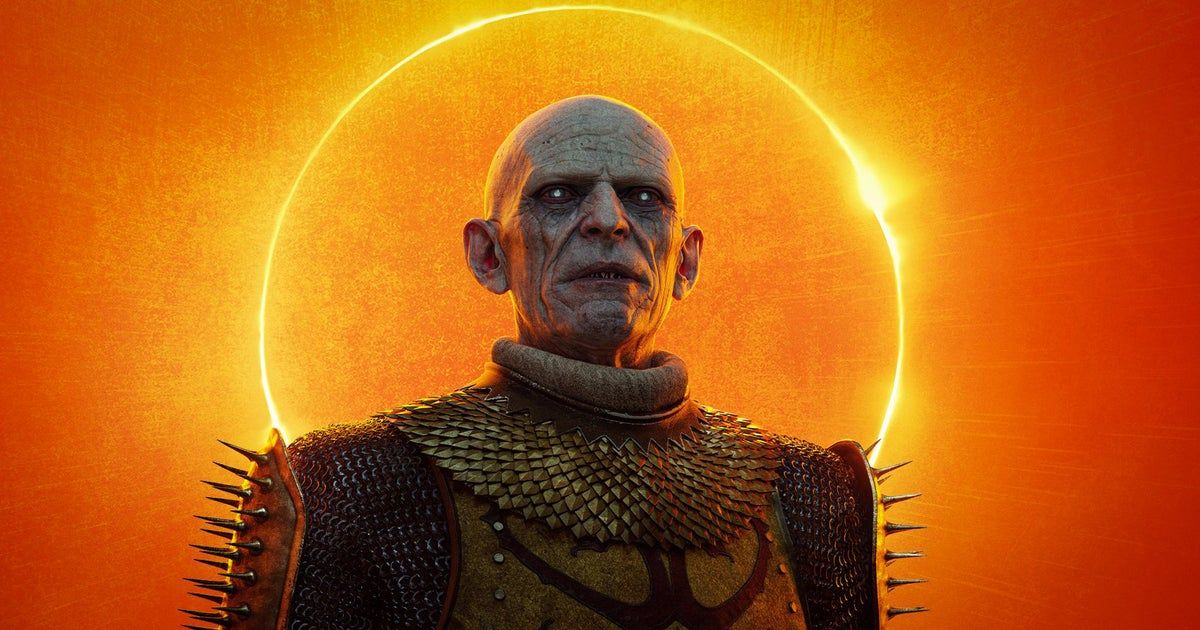

Director Konrad Tomaszkiewicz says Rebel Wolves has not decided whether the Dawnwalker timer mechanic belongs in a sequel, a notable signal for RPG players wary of time pressure.
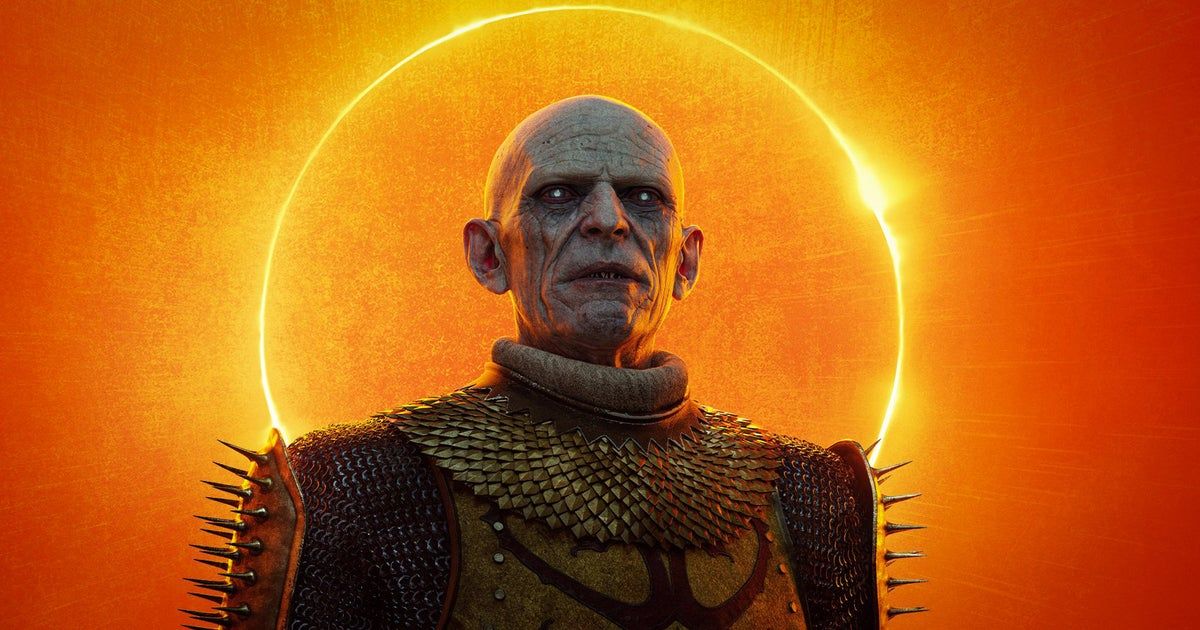
Image: eng.pressbee.net
Rebel Wolves is not committing the timer to every Dawnwalker game
The Blood of Dawnwalker director Konrad Tomaszkiewicz has said the series’ divisive timer mechanic is not guaranteed to return in a sequel, even as Rebel Wolves prepares the Dawnwalker saga for future entries. In an interview with Eurogamer, Tomaszkiewicz said the studio has not decided whether the system, which limits the first game’s rescue plot to 30 days and 30 nights, will be part of the next game’s core loop.
“We didn’t decide it, to be honest,” Tomaszkiewicz told Eurogamer when asked whether the time mechanic is central to Dawnwalker as a series. “We will play with it. If we have parts of the story, or the whole story, to which it fits, then we will use it. If we have stories where it does not fit, we will not force it.”
That is the clearest public line so far on a question that has followed The Blood of Dawnwalker since its reveal: whether its identity is tied to time pressure, or whether the timer was a tool built for this particular story about Coen trying to save his family from the vampire lord Brencis. Tomaszkiewicz’s answer points to the latter. The studio is treating the RPG time mechanic as a system to be deployed when the fiction needs urgency, rather than a mandatory franchise rule.
For players who avoided The Blood of Dawnwalker because of the timer, that distinction matters. It does not confirm a timer-free sequel, and Rebel Wolves has not announced a release window, platforms, price, or final design for the next entry. It does, however, confirm that the Blood of Dawnwalker director is willing to leave the system out if a future story does not support it.
The first game’s timer is stricter in concept than in moment-to-moment play
The Dawnwalker timer mechanic has been contentious partly because it sounds harsher than it behaves. Eurogamer describes the first game’s structure as a 30-day and 30-night deadline to rescue Coen’s family from Brencis. A segmented time gauge advances when the player completes quests, moves quests to later stages, or spends points in some skills. It does not tick down continuously while players wander the world or fight incidental enemies such as wolves.
That distinction is crucial for RPG players who hear “timer” and imagine losing hours because they explored the wrong ruin or lingered in a village. In Dawnwalker, according to Eurogamer’s description, time moves forward through deliberate progression choices. The pressure is attached to meaningful actions, including quest advancement and certain build investments, rather than a real-time clock counting down in the background.
Even so, attaching time costs to quests changes how players read an RPG map. A side quest is no longer only a question of reward, lore, or curiosity. It also becomes a claim on the campaign’s finite calendar. A skill point can become a narrative expense if spending it advances the gauge. For completion-minded players, that can turn normal RPG planning into a constant accounting exercise.
Tomaszkiewicz acknowledged that split reaction in the Eurogamer interview, saying there have been “a lot of complaints about the time mechanics” and that “two groups of people” have been arguing over it. He also called the timer the game’s “unique selling point,” while encouraging players to try Rebel Wolves’ implementation before dismissing it.
The completionist anxiety is real, but the director argues it was balanced for breadth
The sharpest objection to the Dawnwalker timer mechanic has come from players who want to see everything in a single playthrough. Eurogamer framed that as the “completionist mindset,” and Tomaszkiewicz said he understands the argument. His counterpoint is that RPGs built around choice already prevent a perfect all-content run, even without a visible calendar.
“The arguments of ‘I want to see everything in one playthrough’ I understand, but it’s false to begin with,” Tomaszkiewicz told Eurogamer, pointing to games such as The Witcher, where choices and consequences close off other outcomes. His view is that Dawnwalker’s timer adds another layer to that structure, rather than inventing the idea that one run cannot contain every branch.
The director also gave a concrete balancing target. According to Eurogamer, Tomaszkiewicz said the game was balanced so players can do “around 80 percent of the content” with the time mechanic active. That is not a promise that every route, quest outcome, or build possibility can be exhausted in one campaign. It is a signal that Rebel Wolves did not design the timer as a narrow critical-path filter.
From a systems perspective, that is the heart of the debate. A timer can make quests feel consequential because choosing one thread means delaying or abandoning another. It can also make players second-guess experimentation, especially in an RPG where builds, quest order, and exploration usually invite slow testing. Tomaszkiewicz’s sequel comments suggest Rebel Wolves knows the mechanic works best when urgency serves the story, not when it sits on top of the game as an obligation.
The mod reaction shows how quickly players tried to reclaim control
The community response around the timer has been unusually direct. Eurogamer reported that the most popular mod before launch removed the time mechanic entirely, while GamingBolt described the most popular day-one mod as one that removed it. Those reports differ slightly on timing, but they point to the same player behavior: a significant part of the audience immediately looked for a way to play Dawnwalker without the calendar pressure.
Tomaszkiewicz did not reject that audience outright. “If someone wants to play on the mod, it’s fine,” he told Eurogamer. His stated preference is that players first try the version Rebel Wolves balanced, especially given the studio’s claim that most content is reachable with the mechanic active.
That is a pragmatic stance for a PC RPG with a modding audience. It preserves the developer’s intended structure while acknowledging that time pressure changes the emotional contract of a narrative RPG. Some players enjoy being forced to prioritize. Others read timers as friction against role-playing, especially when they want to inhabit a world patiently, exhaust dialogue, test builds, and clear quest logs in a preferred order.
For anyone still deciding whether to play the first game, the practical takeaway is narrower than the argument around it. Based on Eurogamer’s account, the timer does not punish ordinary free-roaming by draining in real time, but it does attach cost to meaningful progression. If that kind of pressure undermines your enjoyment, the mod scene has already responded, although using mods is separate from the intended balance Tomaszkiewicz is defending.
A sequel is in motion, but its shape is still largely unannounced
The sequel context comes from Rebel Wolves’ public hiring and comments about continuing the Dawnwalker saga. GamingBolt reported that Rebel Wolves is gearing up for a sequel based on recent job listings. GamingBible cited narrative director Jakub Szamalek’s LinkedIn post seeking a lead writer to help the narrative team craft “the next chapter in the Dawnwalker saga,” after the first game sold over one million copies during its opening weekend.
That confirms forward movement, but not a finished design. There is no announced sequel title, launch date, platform list, price, or store page in the provided source material. GamingBible estimated that, because The Blood of Dawnwalker was in development for around four years, a next installment could be around 2030 at the earliest, but that is the outlet’s expectation rather than a Rebel Wolves date.
The first game is available on PC, PlayStation 5, and Xbox Series X/S, according to GamingBolt. It would be reasonable for players to watch those same platforms when future announcements arrive, but no source here confirms sequel platforms. The safest reading is that Rebel Wolves is staffing and planning the next Dawnwalker chapter while leaving its central systems open.
There is also unfinished business with the original. GamingBolt reported that Rebel Wolves is working to improve The Blood of Dawnwalker by addressing bugs and performance concerns, and that smaller free add-ons had been planned after launch. Tomaszkiewicz had not provided a roadmap in GamingBolt’s report. That means players waiting on patches or post-launch content for the first game should separate that from the sequel discussion. One is active support for a released RPG, the other is a future project without public specifics.
Rebel Wolves is backing away from a fixed formula, not from system risk
Tomaszkiewicz’s comments should not be read as Rebel Wolves choosing a safer, conventional RPG path. In the same Eurogamer interview, he said the studio is “considering and researching some other crazy ideas which can make the RPG genre different to surprise people in the future.” GamingBolt also highlighted that line while noting it is too early to know what those ideas are.
That leaves an interesting tension for The Blood of Dawnwalker sequel. The studio appears willing to retire or reshape a controversial mechanic if it does not fit the story, but it is also signaling that future Dawnwalker games may continue to challenge familiar RPG habits. The timer may be reduced, localized to specific events, replaced by another urgency system, or left out entirely. Only the first of those possibilities is directly suggested by Tomaszkiewicz’s “parts of the story” phrasing; the rest remain open design possibilities until Rebel Wolves shows the game.
For narrative RPG players wary of time pressure, the best news is not that the sequel has abandoned the timer. That has not been announced. The better-supported conclusion is that Rebel Wolves does not consider the 30-day structure compulsory for the series. If a future Dawnwalker story needs a different rhythm for exploration, questing, builds, and consequences, the director says the studio will not force the old loop onto it.
Until Rebel Wolves reveals the next entry properly, the sensible approach is to watch for specifics rather than assume relief or disappointment. Ask whether time advances during exploration, whether quests carry visible costs, whether skill progression affects the clock, whether one playthrough is designed around partial completion, and whether console players receive comparable options to PC mod users. Those details will decide whether the next Dawnwalker feels tense in a productive way, or whether timer-averse players should wait for reviews before committing.