
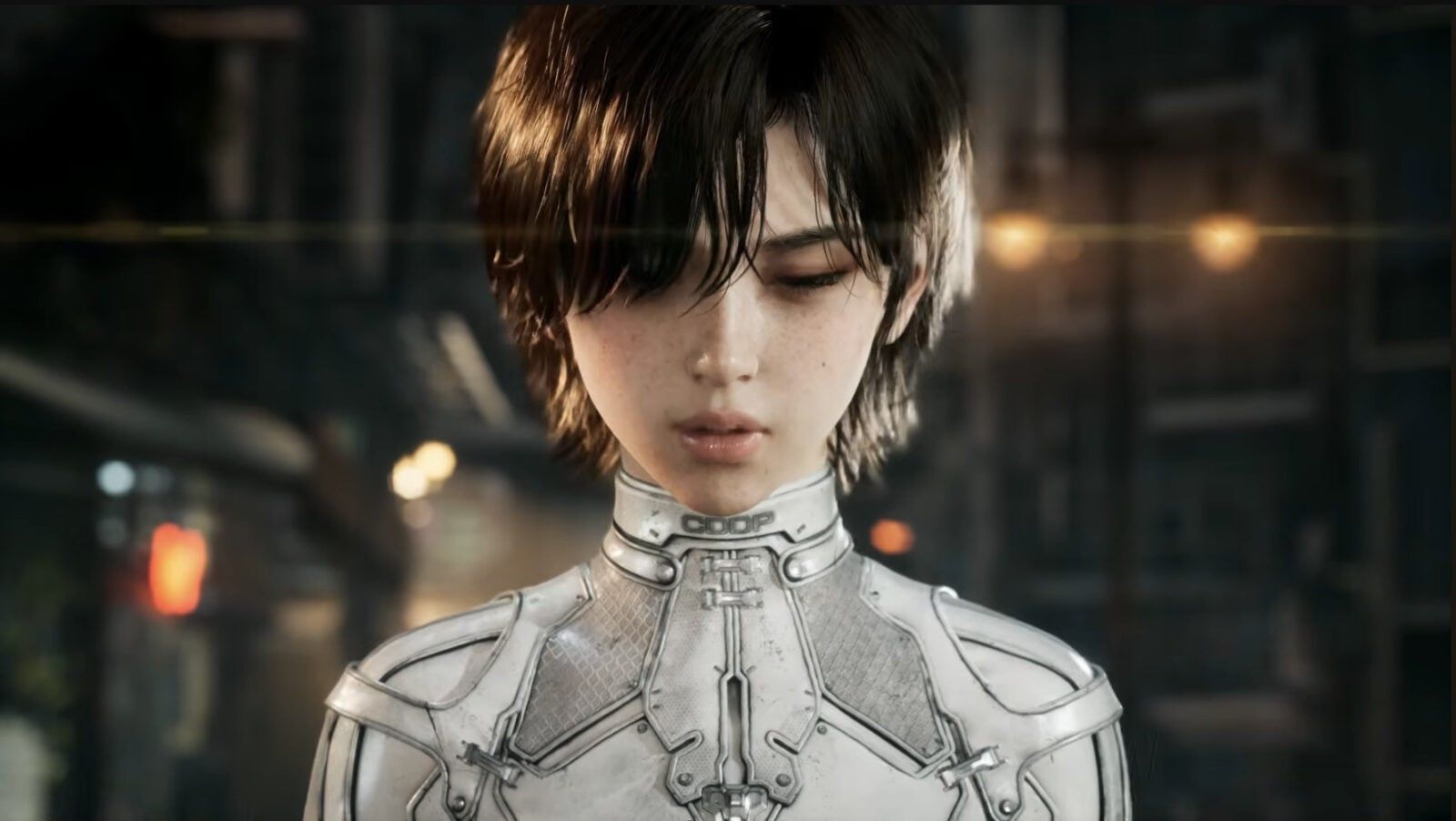

Blades & Battles is out on Xbox with Arthur and Lancelot couch co-op, a 15% launch discount, and a last-minute demo patch that changes how its panic-button combat works.
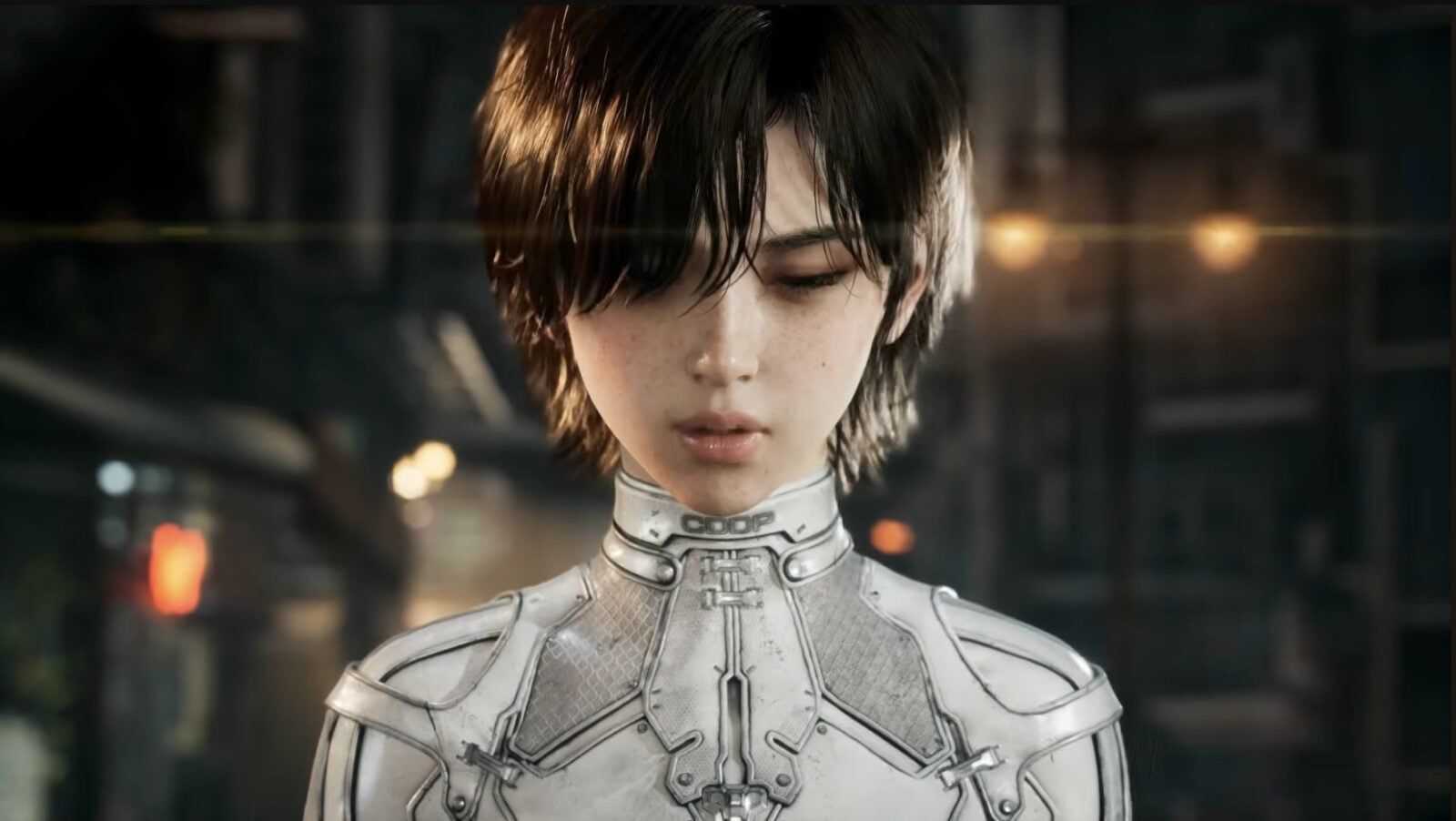
Image: kotaku.com
Blades & Battles reaches Xbox with one big combat question
Blades & Battles launched on September 29, 2026 for Xbox One and Xbox Series X|S as part of a wider PC and console release, and its timing creates a useful test for beat ’em up fans: does this Arthur and Lancelot brawler have enough mechanical control to survive beyond nostalgia?
QUByte Interactive’s launch announcement, distributed through Games Press and mirrored by Analog Stick Gaming, lists Blades & Battles for PC via Steam and Epic Games Store, PlayStation 4, PlayStation 5, Xbox One, Xbox Series X|S, and Nintendo Switch. The same announcement says the Switch release in Japan and Asia follows on October 1. TheXboxHub also covered the September 29 launch with the game positioned around Arthur and Lancelot teaming up across Xbox, PC, PlayStation, and Nintendo platforms.
The concrete offer is straightforward. QUByte’s announcement prices Blades & Battles at $14.99 globally, with a 15% launch discount for 15 days across platforms. HappyGamer, citing the Steam listing at launch, reported Steam pricing at $12.74 after that 15% discount, down from $14.99. For Xbox players searching for Blades and Battles Xbox or a co-op brawler Xbox release, the important part is that this is a compact arcade-style launch, not a live-service brawler or a progression-heavy action RPG.
That distinction matters because the game’s own pitch is deliberately old-school. QUByte describes it as an arcade side-scrolling swordplay homage to Golden Axe, Knights of the Round, The King of Dragons, and Rastan Saga. The tension is that several early impressions and reviews agree the game understands that lineage, while also pointing to the same risks those older games carried: short runtime, simple systems, and combat that can feel loose when precision matters.
Arthur hits wide, Lancelot moves fast, and co-op is the real sell
QUByte’s launch materials frame Blades & Battles around two playable legends. Arthur is described as a heavy crowd-control character with staggering strikes and sweeping brute force. Sir Lancelot is pitched as the agile option, built around speed, rapid multi-hit combos, dashes, and airborne juggles. The campaign sends players through eight handcrafted stages, with QUByte naming Camelot Castle, Sherwood Forest, Camlann Mountain, and the Valley of No Return among the locations, and Morgana le Fay as the central threat.
For players who read brawlers through matchup roles, that split is clear enough. Arthur sounds like the safer lane-control pick, the character you use to hold space and knock groups out of their approach. Lancelot sounds like the combo-extension character, better when you can keep enemies lifted, reposition, and convert scrambles into damage. The question is whether the game gives those identities enough depth across a full run.
The confirmed multiplayer feature is two-player local couch co-op. QUByte’s press release says players can go solo or stand shoulder-to-shoulder in two-player local co-op, and both AmigaGuru and XPN Network point to local co-op as one of the stronger parts of the package. Michael Cavacini, writing from Xbox Series X play, said solo play could become repetitive after about an hour, while couch co-op turned the game into a more chaotic juggling contest between Arthur and Lancelot.
There is no sourced claim here for online co-op, cross-play, or four-player support. Based on the provided launch materials and coverage, buyers should treat Blades & Battles as a two-player local co-op game. If your beat ’em up nights are built around remote play with friends, that is an unanswered gap in the current source set, not a feature to assume.
The demo patch makes the panic button a real resource decision
The most interesting mechanical development landed immediately before release. HappyGamer reported that the Blades and Battles demo patch arrived on Monday, September 28, one day before the full launch, and changed the Desperation Move so it drains all remaining mana. According to HappyGamer’s report, the move previously cost one bar of mana.
HappyGamer quotes the Blades & Battles Steam update explaining the change: “The Desperation Move proved to be too powerful when consuming only one bar of mana, allowing players to escape difficult situations with very little downside.” The same cited note says the new cost is intended to make it “a more strategic decision.”
That is the kind of patch note that tells you how a brawler wants to be played. A cheap invincible or screen-clearing escape can flatten the genre’s decision-making. If every bad jump-in, bad axis alignment, or bad crowd position can be erased for one bar, players stop learning spacing and start waiting for meter. Draining the full mana stock raises the risk. You can still spend the resource to survive a mob, but your next exchange starts with no cushion.
The same demo patch made Arthur’s dodge cancel window more permissive, according to HappyGamer. That matters because a tighter dodge cancel can make a heavy character feel honest but sluggish, while a looser window lets players correct commitment without leaning on a super move every time. For Arthur, whose launch description emphasizes sweeping force and heavy crowd control, that change could make his bigger buttons less punishing to use in dense enemy packs.
Other patch details remain less exact. HappyGamer says S Rank requirements were adjusted, but the patch notes did not specify whether those thresholds became easier or harder. Enemy balance was also tweaked across “several enemies” to make combat more consistent, with no enemy names or numerical changes provided. Confirmed change: the game’s meter economy is harsher around Desperation Move. Unconfirmed from the available notes: how much the patch changes scoring difficulty, optimal routes, or boss-specific tactics.
Mechanical polish is the launch-day pressure point
The promise of Blades & Battles lives or dies in familiar places: hitboxes, recovery, axis control, dodge reliability, and whether bosses reward clean reads instead of attrition. Early coverage is mixed on those fundamentals.
Michael Cavacini’s Xbox Series X review describes the combat as crunchy and familiar, with basic slashes, standard combos, shoulder charges, juggles, and mana-based special attacks. He also flags boxy hitboxes and occasional trouble aligning on the vertical axis in the 2.5D plane, especially for players used to modern brawlers such as Streets of Rage 4. XPN Network similarly says the game captures classic brawler rhythm through chains, aerial juggling, screen-clearing specials, and desperation moves, but criticizes unreliable hitboxes and dodging that is not always dependable.
AmigaGuru lands in a similar middle position. Its review says the fighting is more enjoyable than the visuals, with plenty of moves that are easy to execute, and it calls special attacks and dodge moves particularly useful. The same review argues those tools could feel too useful once exploited. That makes the demo patch more than housekeeping. If Desperation Move was overly cheap in the demo, and dodge options were already strong, QUByte’s final pre-release tuning looks aimed at bringing the risk curve back into line.
From a fighting game perspective, that is the right target. Brawlers do not need huge command lists to have depth. They need consistent rules. When a dodge cancel works, players should understand why. When a juggle drops, the reason should be positioning, enemy weight, or timing, not a vague collision mismatch. The available reviews suggest Blades & Battles has readable arcade intent and satisfying contact, but not the level of modern precision that would make it an easy recommendation for players who demand tight defensive systems.
Performance signals are more positive in the sources provided, though limited. XPN Network calls performance smooth and the pixel-filtered presentation clean. Cavacini’s source text begins a performance discussion on Xbox Series X, but the provided excerpt cuts off before a full conclusion. Because of that, the safest confirmed statement is that at least one Xbox review source reported smooth performance, while the supplied material does not give a complete technical breakdown for every console.
A short campaign changes the value calculation
Blades & Battles is not being sold at a premium price, and the reported scope reflects that. QUByte lists eight stages and a $14.99 base price with the 15% launch discount. The practical buyer question is whether those stages support replay after the first clear.
AmigaGuru reports finishing a first playthrough in less than one hour and reaching around 60% trophy completion by that point. The same review says there are two heroes, two routes through the game, with the second route needing to be unlocked, and a stage-select option after completion. It also suggests trophy hunters may get more out of the game than many players because the Platinum appeared approachable.
XPN Network gives a wider completion range, saying the campaign runs around 45 minutes to 3 hours depending on difficulty and co-op play. It notes branching paths but criticizes limited replay incentive because there are no upgrades, new modes, cosmetic rewards, unlockable characters, or evolving move sets in its account. Michael Cavacini also says the game has no gear or stat progression, with the level-one toolset largely carrying through to the finale.
Those accounts do not conflict so much as describe different player speeds and expectations. A practiced beat ’em up player on a lower difficulty may clear quickly. A co-op run, higher difficulty, route experimentation, or trophy cleanup can extend the session. The stronger warning is that the sources consistently describe Blades & Battles as compact and mechanically static. If you want a brawler to become a lab monster over many nights, with new routes, tech, unlocks, and buildcraft, the supplied coverage does not support that expectation.
The flip side is purity. Some players want a clean arcade credit-feed structure: choose a character, learn enemy waves, improve damage conversion, chase ranks, and finish before the night is over. For that audience, the short form can be a feature, provided the contact feel and co-op energy are enough.
Presentation has retro intent, but the sources split on execution
QUByte’s launch announcement highlights a “Dual-Mode Nostalgia Engine” with Clean Mode, Pixelated Mode, and Super Pixelated Mode. The idea is to let players choose between stylized 3D graphics, softened pixel edges, or a heavier 16-bit crunch. That is a smart concession for a 2.5D retro brawler, because readability and nostalgia often pull against each other. The filter that looks best in screenshots is not always the one you want when three enemies are crossing lanes.
The external reactions are divided. XPN Network calls the presentation clean, readable, nostalgic, and supported by smooth performance. Michael Cavacini describes the look as an alternate-universe Saturn or arcade game, with stage variety across swamps, castle spaces, and other fantasy backdrops. AmigaGuru is much less convinced, arguing that the low-poly, low-resolution 2.5D style looks cheap and rough rather than distinct.
The music receives more consistent praise. AmigaGuru calls the soundtrack cool and suspenseful, while XPN Network points to chiptune-inspired music and dramatic flourishes that reinforce the retro tone. In a short brawler, music carries more weight than it might in a larger game. Repeated enemy types and simple routes are easier to forgive when the stage energy stays high.
The final demo patch also included sensory polish. HappyGamer reports that environmental objects and collectibles now react to screen shake, that more moments trigger controller vibration, and that the tutorial and game manual were updated to match the latest changes. Those are small adjustments, but in this genre small feel changes count. Screen shake, rumble, and object reactions help sell hitstop and impact, especially when the underlying systems are intentionally simple.
Launch guidance for beat ’em up fans on Xbox
The case for buying Blades & Battles at launch is strongest if you want a low-cost couch co-op brawler with Arthur and Lancelot, a short arcade structure, and a simple toolset you can understand quickly. The Blades & Battles release is live on Xbox One and Xbox Series X|S according to QUByte’s announcement, and the limited 15% discount lowers the $14.99 base price during the launch window.
The case for waiting is also clear. Multiple review sources describe limited progression and a short campaign. XPN Network and Michael Cavacini both flag hitbox or precision concerns, and XPN specifically criticizes dodge reliability. The final Blades and Battles demo patch suggests QUByte is already tuning around escape strength and feel, but the supplied sources do not confirm a post-launch roadmap, online co-op plan, or major content expansion.
For competitive-minded players, the question is not whether Blades & Battles has enough moves. The sources suggest it has basic chains, juggles, specials, dodges, and character differences. The question is whether its rules stay stable enough to reward improvement. The Desperation Move change is encouraging because it makes meter commitment matter. Arthur’s more forgiving dodge cancel is encouraging because it addresses recovery and control. The reported hitbox and dodge inconsistency concerns are the red flags.
If your group wants a one-night co-op brawler on Xbox, Blades & Battles looks positioned for exactly that. If you are looking for the next deep side-scrolling combat game to grind for months, the confirmed package sounds lean. Treat the launch discount as a fair trial price, not as proof of hidden depth, and go in expecting an arcade-sized Arthurian brawl rather than a modern systems showcase.