
Bassam Tariq says Marvel’s Mahershala Ali Blade movie was casting and building without a proper script, sharpening questions around the reboot’s delay, creative reset, and future.
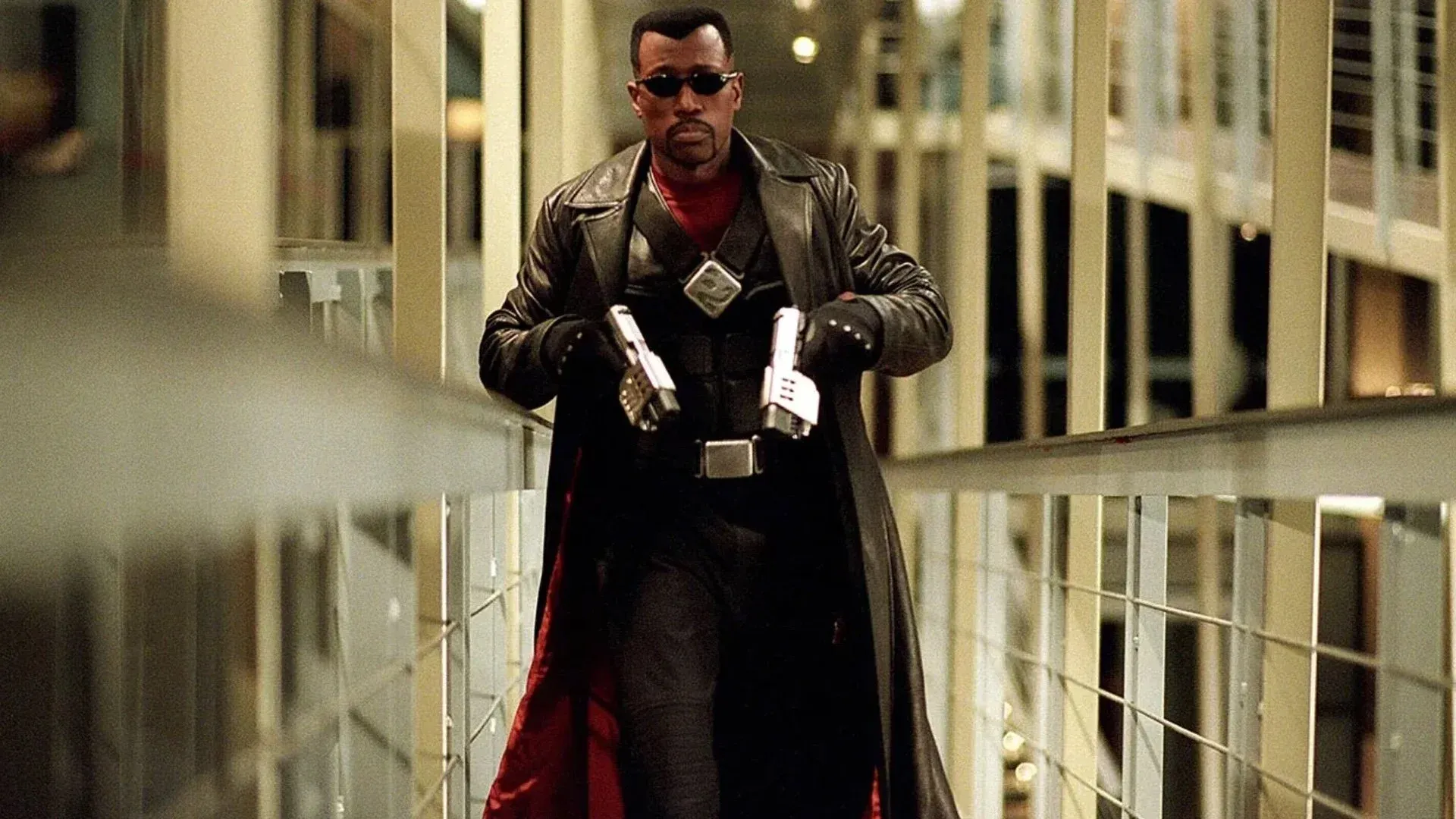
Image: geektyrant.com
Bassam Tariq says Blade was building without the blade sharpened
Former Blade director Bassam Tariq has put the troubled Marvel reboot in unusually direct terms: the movie was moving through casting and early buildout without what he considered a proper script. In an interview with The New Arab, quoted by Variety, Polygon, and Kotaku, Tariq said it was “funny and strange to start casting and building without a proper script,” because he was explaining roles to actors who had to trust that the eventual pages would match what they were being told.
That is the clearest creative diagnosis yet from one of the filmmakers who was actually inside Marvel’s Mahershala Ali Blade movie before it stalled. Tariq was attached to direct the reboot after Marvel announced Ali’s casting at San Diego Comic-Con in July 2019. He exited in September 2022, shortly before the movie had been expected to begin shooting, according to Variety. His comments do not describe a single dramatic break, but a production process where the director felt his credibility with actors was being spent before the story foundation was locked.
For a character like Blade, that foundation matters. The part is built on silhouette, attitude, rhythm, and menace. If the script is fluid, the action design, supporting cast, tone, rating expectations, and even the lead’s screen presence can all drift with it. Tariq’s account suggests the reboot did not simply suffer from calendar trouble. It struggled to answer what kind of Blade movie it was supposed to be while people were already being asked to commit to it.
The director’s problem was credibility, not only scheduling
Tariq’s most revealing comments are not about Marvel’s release calendar. They are about the job of directing when the director is the messenger, but not the final decision-maker. Speaking to The New Arab, he said that if a finished text later fails to match what an actor was promised, “your credibility gets completely shot.” He added that being the bearer of bad news to actors while decisions were coming from “a corporate entity” was “not a great way to be a director.”
That distinction is important. Marvel productions have often been reported to evolve deep into development and production, with story revisions and action changes occurring after major creative pieces are already in motion. Polygon notes that Marvel movies do not always begin production with locked scripts, and that major story or set-piece changes can happen midstream. Tariq’s comments indicate that, in this case, the usual machinery did not give him the control or confidence he needed.
His takeaway was blunt. Variety quotes him saying, “Life’s too short to make shit films,” and that he learned he needs “full control” over the script on future projects. That is not a small complaint from a hired filmmaker leaving a franchise job. It points to a basic mismatch between a director trying to build trust with performers and a studio system still trying to solve the movie above him.
For an action movie, that mismatch can be fatal before cameras roll. Combat rhythm is written long before a sword swing is photographed. If a movie cannot decide who Blade is facing, what emotional state he carries into a fight, or how much of the story belongs to him, choreography becomes decoration instead of storytelling.
A reboot announced in 2019 became a years-long warning sign
The Blade movie reboot began as one of Marvel’s boldest Hall H promises. Marvel announced the project at San Diego Comic-Con in July 2019 with two-time Oscar winner Mahershala Ali set to play the vampire hunter, according to Variety and Polygon. Polygon’s timeline says the movie was initially expected to arrive in 2023, with Tariq signing on as director in 2021 and pre-production appearing to accelerate by summer 2022.
Then the movement stopped looking like momentum. Tariq left in September 2022. Yann Demange was later attached, but Polygon reports that the 2023 actors’ strike and ongoing production issues pushed the film back further. Demange left in June 2024. Wikipedia’s compiled production history, drawing on public reporting, says Disney removed Blade from its release calendar in October 2024 after multiple date shifts. Polygon’s current account says that by 2025 the film had “completely fizzled out,” and that Ali had moved on from wanting to play Blade.
Those details should be kept in categories. The announced facts include Ali’s casting, Tariq’s attachment and exit, Demange’s later attachment and departure, and Disney’s removal of the film from the calendar as reported in the public production record. Tariq’s new comments are his account of why his version became untenable. Rumors around the production, including Kotaku’s reference to reports that Blade’s role in his own movie was shrinking, remain rumors unless Marvel, Ali, or a credited creative confirms them.
Still, the pattern is hard to ignore. A movie can survive a delay. It can survive a director change. It can survive a rewrite. Blade appears to have endured all of those while never giving fans a new confirmed creative shape to replace the version that fell apart.
Mahershala Ali’s casting raised the bar Marvel could not clear
Ali’s involvement is the reason the stalled reboot still carries unusual weight with Marvel fans. This was not a speculative reboot with an unknown lead. It was a Marvel Studios project announced with an acclaimed actor already attached to one of the company’s most culturally recognizable antiheroes. Polygon and Variety both identify Ali as the star set for the title role, and Wikipedia’s production summary notes that he made a voice-only MCU cameo as Blade in 2021.
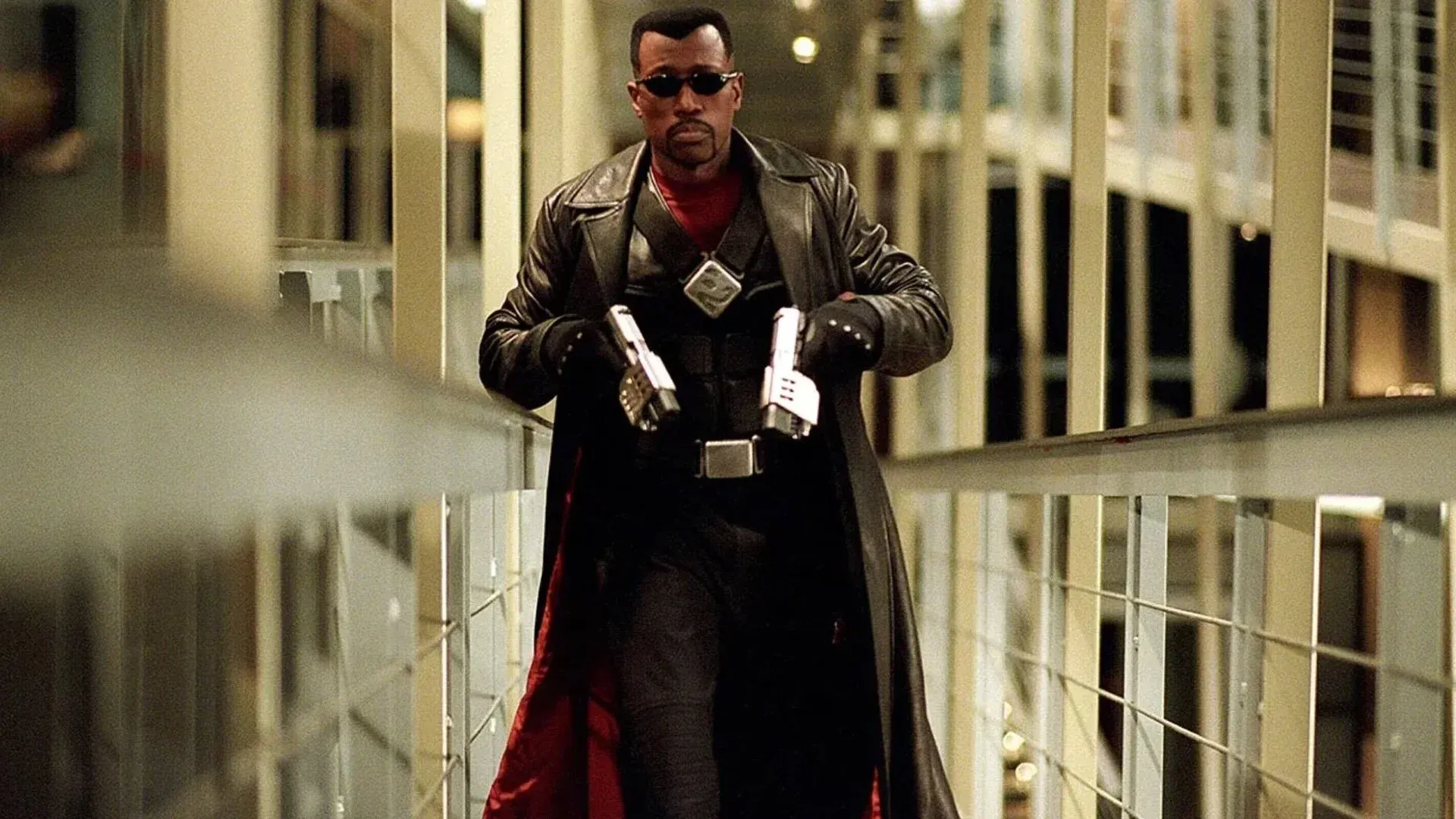
That cameo sharpened expectations because it suggested Marvel had a place for the character, even if the film itself remained unresolved. Blade is also a particular challenge for the MCU because the character’s appeal depends on a harder edge than much of Marvel’s house style. The Wesley Snipes films established a screen language of leather, blood, martial-arts precision, and nightclub-goth swagger. CBR frames Snipes’ legacy as part of the pressure around the announcement, and Polygon’s headline context similarly points to the reboot struggling under that shadow.
Tariq’s comments help explain why that legacy may have been difficult to escape. A Blade film has to decide early whether it is chasing sleek vampire horror, grounded martial action, comic-book mythology, period atmosphere, or a hybrid. Kotaku describes the planned Marvel version as a period-piece Blade reboot, but the provided reporting does not establish a final locked version of that approach. Without a finished script, even a promising tone can remain a pitch rather than a movie.
Ali and Tariq later worked together on Your Mother Your Mother Your Mother, which Polygon says received rave reviews and Kotaku describes as a critically lauded action-thriller. That collaboration gives the failed Blade pairing a sharper sting. The actor-director combination did produce a finished action project, just not the Marvel one fans had been waiting to see.
The Snipes legacy is a creative problem, not only nostalgia
Every new Blade has to walk into the room with Wesley Snipes already standing there. That does not mean Marvel needed to imitate the old films shot for shot. It means the reboot had to present a clear reason for existing beyond the MCU logo and Ali’s name. The original screen version of Blade is remembered because its action identity was immediately readable: fast close-quarters violence, vampire-club spectacle, deadpan cool, and a hero whose physicality carried as much story as his dialogue.
Tariq’s script complaints reveal the danger of trying to solve that identity too late. If Blade’s arc, enemies, and supporting cast are unsettled, the set pieces cannot properly escalate. A strong action film is paced like a fight card. The early scenes teach the audience the hero’s rules. The midpoint breaks those rules. The finale pays off a specific weakness, weapon, or wound. A corporate-driven development process can still produce that kind of precision, but someone has to own the spine.
That is where the director’s comments land hardest. He was not saying every studio film needs auteur control in the abstract. He was saying he could not keep asking actors to believe in roles while the text behind those roles remained unstable. For a character whose screen power depends on commitment, posture, and control, that instability cuts against the fantasy.
Marvel fans are still watching for a clearer creative reset because Blade has too strong a premise to vanish quietly. A vampire hunter inside a superhero universe offers horror texture, hand-to-hand action, supernatural politics, and a tonal counterweight to brighter MCU entries. But the next version will need to show its discipline early, not after another release date appears.
What is confirmed now, and what fans should wait to hear
At this stage, the safest reading is that Marvel’s announced Mahershala Ali Blade movie is no longer a release fans can plan around. The confirmed and reported record from the provided sources is stark: Marvel announced the project in 2019, Tariq joined and then exited in 2022, Demange later joined and left in 2024, Disney removed the film from its calendar in 2024 according to the public production summary, and Polygon reports that by 2025 the film had fizzled out with Ali moving on from wanting to play the role.
What is not confirmed is equally important. Marvel has not, in the supplied material, announced a new director, a new lead, a new release date, a production start, or a replacement creative package for Blade. Rumors about the shape of earlier drafts, including claims about Blade’s role being reduced, should be treated as unverified production chatter unless directly backed by Marvel or a named creative participant.
For readers tracking Marvel reboot news, the next meaningful signal will not be another vague assurance that Blade remains valuable. It will be a concrete creative reset: a named writer, a director with a defined take, a production window, and a public explanation of whether the reboot is still tied to the previous MCU tease. Until then, the practical guidance is simple. Do not expect the Mahershala Ali Blade movie to arrive on any near-term Marvel schedule based on the current source record.
Tariq’s comments do not close the coffin on Blade as a character. They do make clear why this version lost its pulse. The movie tried to assemble trust, casting, and momentum before the script could carry them. For a hero famous for entering the scene fully armed, that was a telling way to start unprepared.