
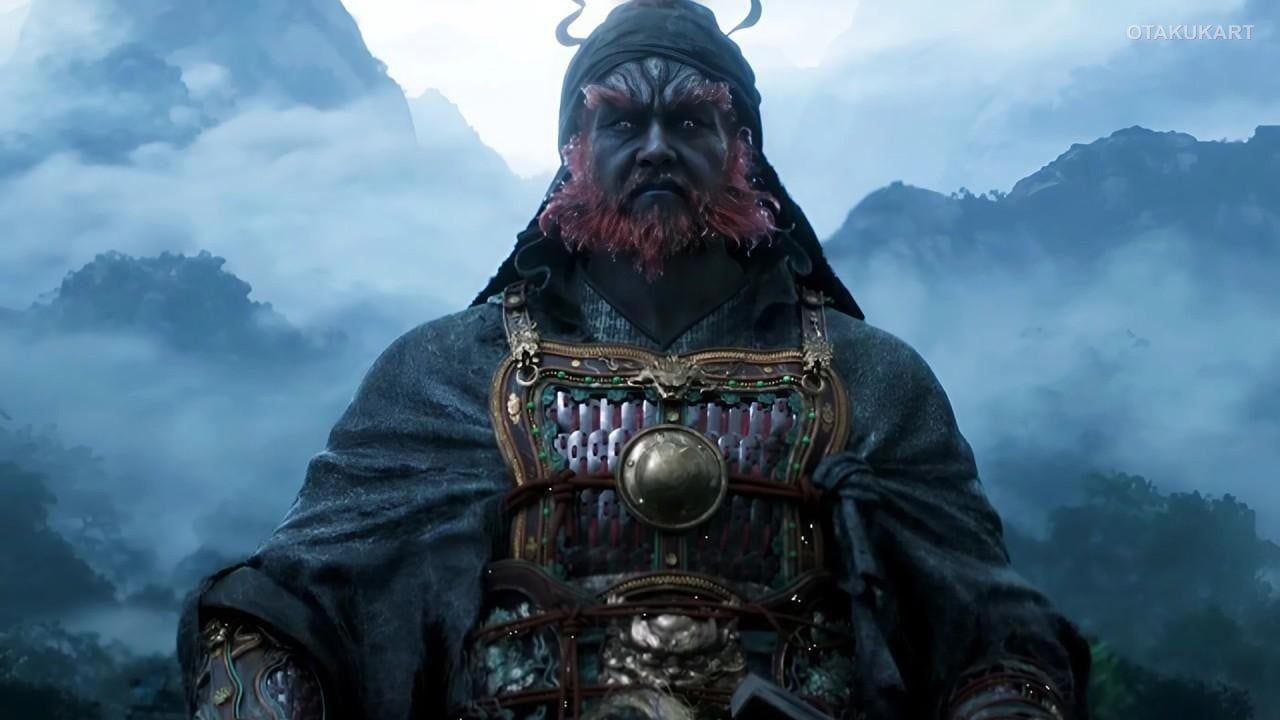
Game Science co-founder Yang Qi says Black Myth: Zhong Kui will stay away from generative AI in design and asset work, setting expectations for a slower, craft-led follow-up.
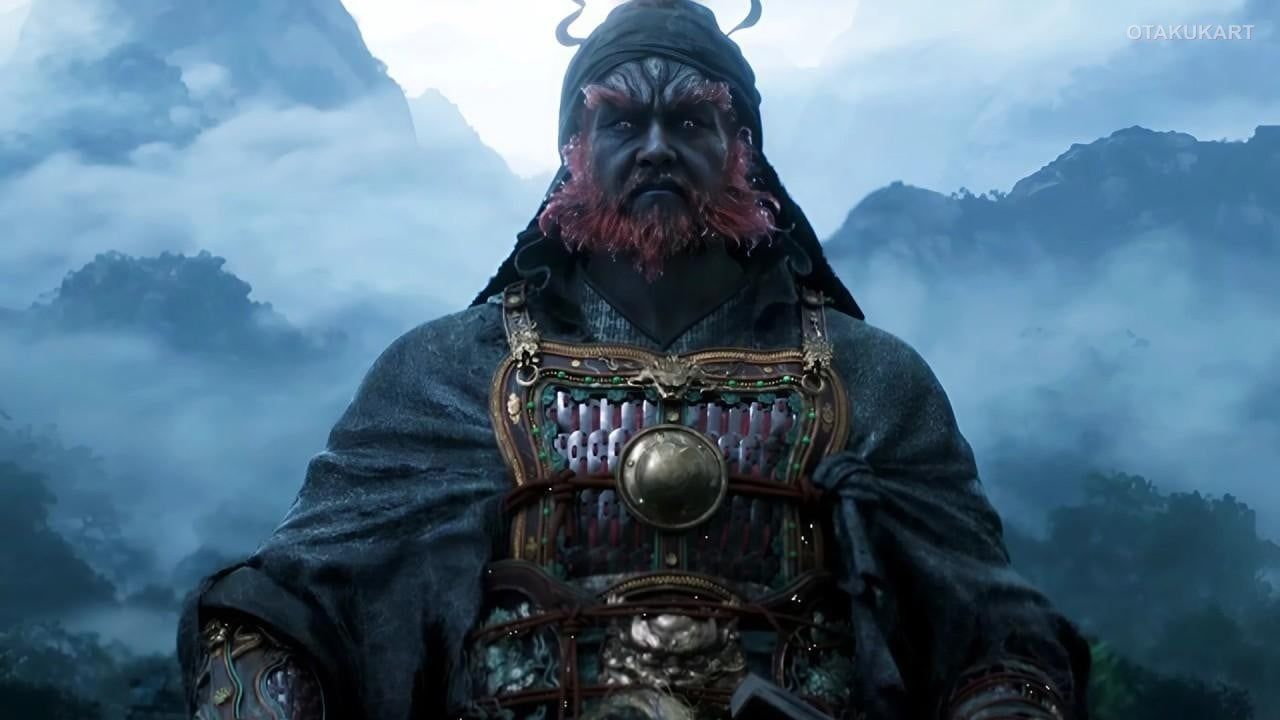
Image: otakukart.com
Game Science is choosing time over shortcuts
The next Black Myth game is not being built around an AI acceleration plan. Game Science co-founder and Black Myth series art director Yang Qi responded on Weibo to a fan asking whether current AI technology could speed up development of Black Myth: Zhong Kui, and the answer reported across GamerSky, Push Square, Polygon, Beebom, and Twisted Voxel is consistent on the central point: the studio does not plan to use generative AI during the game’s design and asset-production stages.
That is the strongest confirmed development here because it cuts against a very real pressure around the Black Myth sequel. Black Myth: Wukong took years to reach players, and its follow-up was announced with a cinematic teaser rather than a release date. In that gap, the Black Myth AI development question almost writes itself: if generative tools can create placeholder art, iterate on concepts, or bulk out production pipelines, would Game Science use them to shorten the wait?
Yang’s answer points the other way. The studio is setting expectations for Black Myth: Zhong Kui as a slower, authored project rather than an AI-assisted sprint. For a series whose first major hit was discussed as much for its creature art, mythological texture, and spectacle as for its action-RPG structure, that stance is a promise with a cost. It may reassure players worried about AI-made assets, but it also gives fans fewer reasons to expect a faster turnaround.
Yang Qi framed the AI decision as patience, not rejection
The exact English wording varies by outlet and translation, but the substance is clear. Polygon, citing a ResetEra translation of Yang’s Weibo post, quotes him as saying, “We’ll steer clear of AI-generated content during the design and asset phases,” adding that this is “not out of resistance, but simply to stand our ground until the very end.” Beebom and Twisted Voxel report a similar translation: “The design and asset-production stages will be far removed from AIGC, not out of resistance, but simply to do our best in the final stage.”
That distinction matters because Yang did not present Game Science as anti-technology in principle. Push Square reads his comments as suggesting that AI simply is not ready to help the studio’s production timelines in the way fans might imagine. Twisted Voxel likewise says his comments indicate that Game Science does not currently see rapid AI adoption as something it needs to pursue simply to speed up production.
Yang used a travel metaphor to make the point. According to Beebom and Twisted Voxel, he wrote that there is no “last train” the studio absolutely has to catch, and that it can “find a small hotel to stay in,” with “plenty of time for AI and stuff, no rush.” That is less a manifesto than a production posture. Game Science is saying it would rather miss the current industry train than climb aboard before the destination is useful to its own process.
The release picture is still deliberately hazy
Black Myth: Zhong Kui was announced during Gamescom Opening Night Live in 2025, according to Polygon and Push Square. The reveal was a cinematic teaser, not a gameplay blowout, and Game Science has not announced a release window. Push Square notes that the game was later confirmed for an eventual console release, while Twisted Voxel describes it as a single-player action RPG being developed and published by Game Science for PC and major home consoles.
There is still room for caution on platforms. Push Square speculates that, given the likely development timeline, Black Myth: Zhong Kui could effectively become a PS6-era game. That is an outlet prediction, not an announcement from Game Science. The confirmed reader-facing position is simpler: the next Black Myth project is planned for PC and major home consoles, but no final platform list, release date, price, editions, performance targets, or upgrade path has been provided in the supplied source material.
There is also some tension in how outlets describe the state of production. Beebom interprets Yang’s wording as meaning the Black Myth: Wukong sequel is in the “final stage” of design and asset production. IXBT, by contrast, characterizes Black Myth: Zhong Kui as being in early development and notes that players have only seen a conceptual CGI trailer and a Chinese New Year special video. Those readings are not easy to reconcile from the available English reporting. The safest conclusion is that Game Science is still talking about design and asset work rather than a dated launch campaign.
The no-AI stance fits the series’ artistic burden
Black Myth: Wukong arrived with a heavy emphasis on visual craft, and Push Square specifically points to how striking the game is artistically when explaining why Game Science may want to rely on established methods for Zhong Kui. That context changes how Yang’s comments land. In a mythological action RPG, asset production is not background decoration. Creature silhouettes, armor surfaces, weapon shapes, boss readability, shrine spaces, and set-piece framing all feed directly into how combat rhythm is understood moment to moment.
That is interpretation, but it is grounded in the kind of game Game Science is making. Twisted Voxel says Black Myth: Zhong Kui will center on Zhong Kui, the traditional Chinese demon-hunting deity, crossing between the mortal world and the underworld while confronting supernatural threats. If that premise is going to carry the same weight that players expect from the Black Myth name, the studio’s design and art teams have to sell a world of ghosts, demons, judgment, life, and death with more than raw asset volume.
Polygon also points to an earlier comment from Black Myth: Wukong lead performance director Beth Park, who said in 2024 that AI removes the “human, chaotic emotion” from artistic creation. That does not prove every internal Game Science decision follows one philosophy, but it shows this is not the first time someone connected to Black Myth has pushed back on AI in creative work. Yang’s Weibo answer now applies that instinct to the next game’s production pipeline.
The Christopher Nolan comparison is about craft under pressure
Yang’s AI answer came in the context of his praise for Christopher Nolan’s The Odyssey, according to Beebom and Twisted Voxel. Twisted Voxel reports that Yang called Nolan’s film “the standard answer to epic films” and said he was “deeply inspired.” He then used Nolan as an example of an artist thriving with older methods at a time when digital cinema and 3D post-production appear, in his view, to have reached a dead end.
Polygon frames this as Game Science drawing inspiration from Nolan’s practical filmmaking approach. The comparison is useful because it clarifies what Yang appears to be defending. He is not arguing that older tools are automatically purer, or that new tools can never help. He is arguing against the assumption that every major creative production must immediately adopt the newest technology to stay competitive.
For Black Myth: Zhong Kui, that stance carries risk. Practical, hand-guided production can preserve a clearer artistic line, but it can also mean longer iteration cycles and a harder road to scale. Generative AI is attractive to studios because it promises speed, volume, and cheaper experimentation. Yang’s answer suggests Game Science is willing to trade some of that perceived efficiency for control over the design and asset stages that define the game’s identity before players ever touch a controller.
Players should expect patience, then demand proof
The practical takeaway is that Black Myth: Zhong Kui should not be expected to arrive sooner because of AI. Game Science has not announced a release window, and its co-founder has now publicly downplayed the idea that generative AI will accelerate the parts of development fans were asking about. If anything, the current reporting points toward a project that will take the time it needs.
That does not answer every AI question forever. Yang’s comments, as reported, specifically address AI-generated content, AIGC, and the design and asset-production stages. They do not amount to a permanent, studio-wide ban on every possible AI-adjacent tool in every future project. They also do not reveal how far along combat systems, level design, performance capture, optimization, or console-specific work may be.
For players following the Black Myth sequel, the next meaningful proof will be gameplay. A cinematic teaser can establish tone, and concept art can promise scale, but this series lives or dies in the cadence of movement, the snap of encounters, the pressure of bosses, and the way mythological spectacle reads in motion. Game Science’s Black Myth no AI position sets a craft-first expectation. Now the studio has to justify the wait with authored work that players can feel.