
Black Forest Games has left THQ Nordic through a management buyout and co-founded Third Signal, a new studio group built around lean premium PC and console teams.
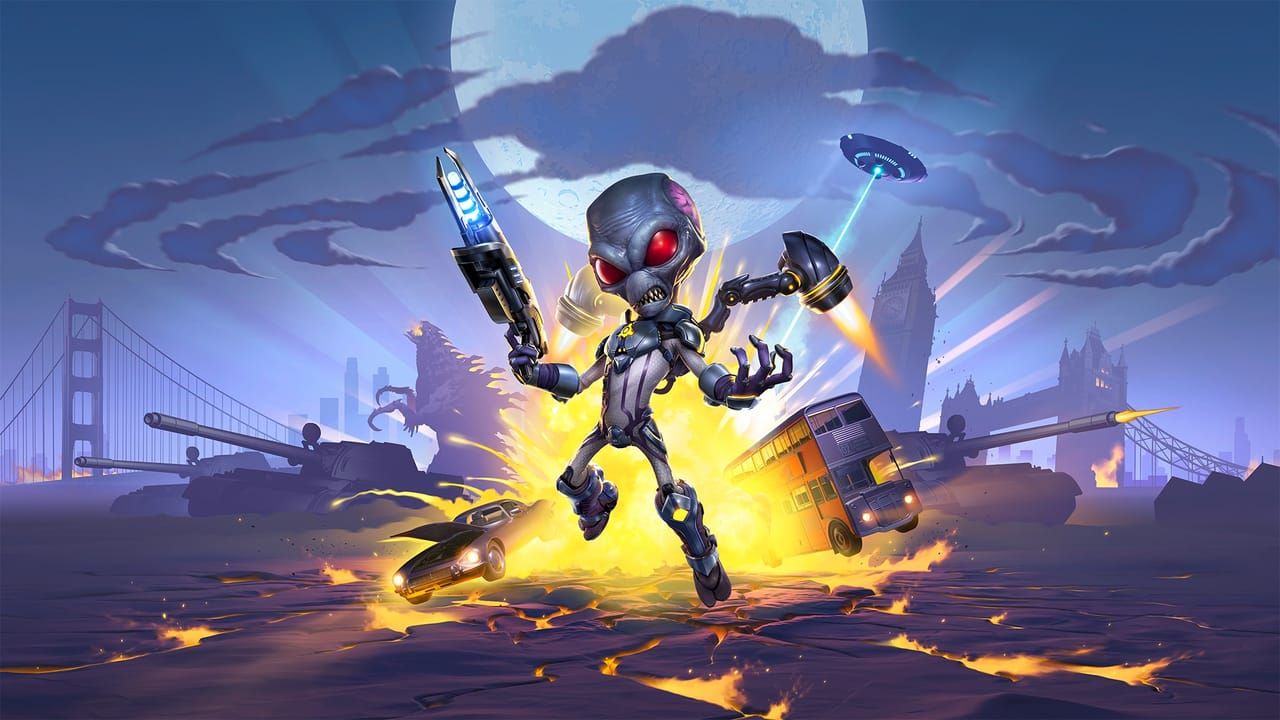
Image: gamedeveloper.com
Black Forest leaves THQ Nordic, but the clean break has a catch
Black Forest Games, the Offenburg, Germany studio known in recent years as the Destroy All Humans remake developer, has split from THQ Nordic through a management buyout and joined the newly formed Third Signal as a founding member and co-owner. The move was announced in a Games Press release from Third Signal and has been reported by Gematsu, Rock Paper Shotgun, GamingBolt, MCV/DEVELOP, and others.
The immediate tension is that this is both an independence story and a continuity story. Third Signal’s announcement says Black Forest Games is spinning out of THQ Nordic, where it had been part of THQ Nordic within Embracer Group since 2017. It also says THQ Nordic and Black Forest Games will continue to collaborate on game development tasks. Gematsu similarly reported that the companies will pursue different business priorities while continuing to collaborate on future game development projects.
That distinction matters. This is not a studio shutdown, a renamed internal team, or a publisher simply moving an asset around a corporate chart. It is a management buyout that returns ownership control to Black Forest leadership while leaving at least some working relationship with THQ Nordic intact. Financial terms were not disclosed in the provided announcement. Platforms, timing, budget, and scope for Black Forest’s next game have also not been announced.
Third Signal is selling a team-size philosophy, not a single game
Third Signal’s public pitch is unusually explicit about scale. Andreas Tobler, Third Signal founder and CEO, said in the announcement: “Some of the best games of the last decade came from teams of fifty, not five hundred.” He described Black Forest Games as the right studio to launch Third Signal and said the group’s vision is to give teams “independence, resources and creative freedom” to continue their legacy and bring their own ideas to life.
That is the core strategic claim behind the Black Forest Games split. Third Signal is positioning itself around experienced, mid-sized teams making premium games for PC and console, according to the Games Press and MCV/DEVELOP versions of the announcement. The press release describes Third Signal as a new independent group of game studios co-owned by Third Signal Ventures and the management team of Black Forest Games.
For AA development, that is a specific bet. A team of around fifty is large enough to carry production discipline, pipelines, art direction, engineering ownership, certification knowledge, and platform experience. It is also small enough, at least in theory, to avoid the overhead that turns every design change into a coordination problem. Tobler’s “fifty, not five hundred” line is not proof that Third Signal can deliver better games. It is a thesis about the current production meta: constrain headcount, preserve senior decision-making, and keep the burn rate low enough that premium console and PC projects do not need blockbuster sales curves to survive.
GamingBolt framed the new group as a way for Black Forest to keep working on the kinds of games it wants without being forced to grow its team too much. That reading fits the quotes in the announcement, but it remains an interpretation until Third Signal discloses headcount targets, funding structure, project budgets, or publishing arrangements.
Black Forest’s past makes the creative freedom pitch more interesting
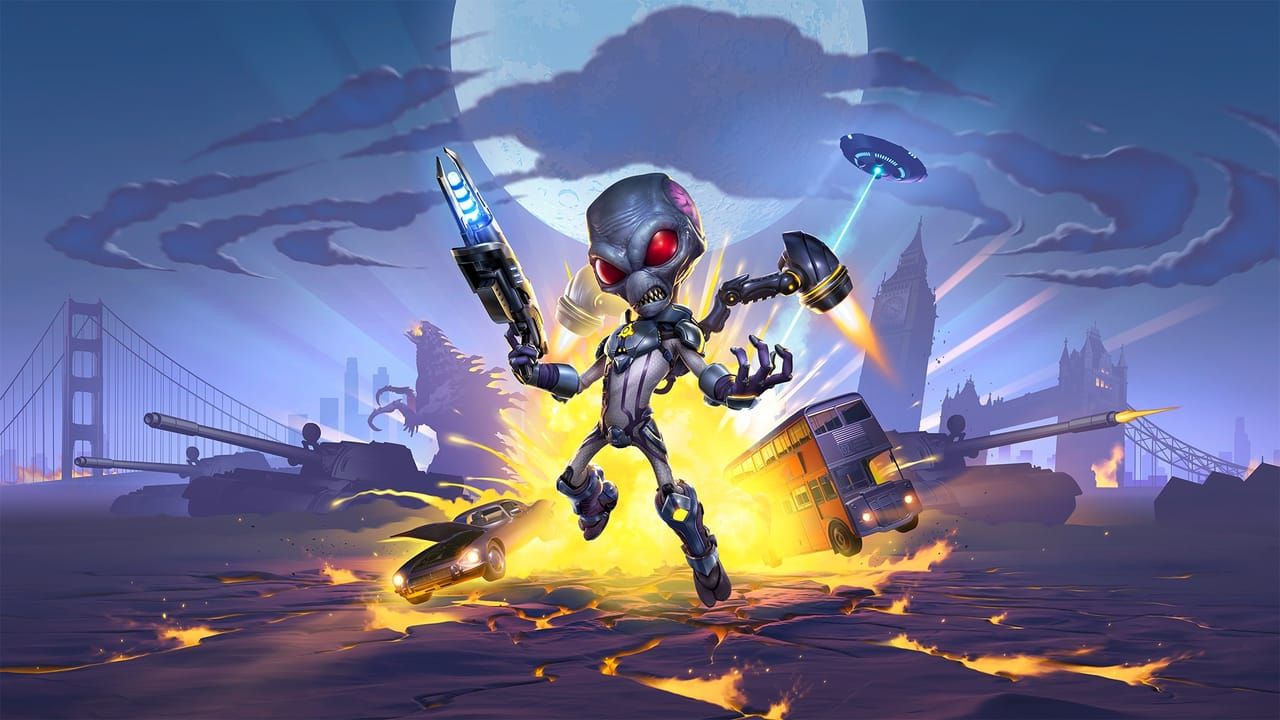
Black Forest Games’ catalog gives the announcement its sharper edge. The studio’s best-known recent work under THQ Nordic includes 2020’s Destroy All Humans! remake and 2022’s Destroy All Humans! 2: Reprobed, with Rock Paper Shotgun also pointing to DLC Clone Carnage during that period. The official Third Signal announcement names Destroy All Humans! - Remake, Giana Sisters: Twisted Dreams, Fade to Silence, and other titles as part of the studio’s record. Games Press also lists Destroy All Humans! 2 - Reprobed, Fade to Silence, Giana Sisters: Twisted Dreams, and Rogue Stormers among Black Forest’s popular titles.
That history is mixed in a useful way. Black Forest has shipped original work and platformers, but its highest-profile assignments in the THQ Nordic years were tied to existing intellectual property. Rock Paper Shotgun noted that Destroy All Humans!, Bubsy, and Giana Sisters all originate from earlier creators or companies, with Pandemic Studios behind the original Destroy All Humans!, Accolade tied to Bubsy, and Time Warp connected to The Great Giana Sisters.
So when Third Signal talks about letting teams “bring their own ideas to life,” it lands differently for Black Forest than it would for a studio already known mainly for self-owned franchises. The confirmed fact is that Black Forest is now a co-owner in an independent studio group and is working on an “exciting new project,” according to Black Forest co-founder and CEO Adrian Goersch’s statement. The unanswered question is whether that project is original, licensed, co-developed, self-published, or backed by an outside publisher.
Adrian Goersch said Black Forest is grateful to THQ Nordic and Embracer for “nine good years” and the games they made together, and that the team is excited to shape its own future “as owners again.” Andreas Speer, also identified in the announcement as a Black Forest CEO and co-founder of Third Signal Studios, added: “There are lots of opportunities for lean, experienced teams, and we will use them.” That is the clearest signal available so far about the intended direction, but it is still a business philosophy rather than a product reveal.
The AA opportunity is real, but lean teams do not remove production risk
From a strategy perspective, Third Signal is reading the board correctly in one respect: AA development works best when scope discipline is treated as a design pillar rather than a late cost-cutting measure. A fifty-person team can make a visually strong, mechanically focused PC and console game if the project avoids feature sprawl, uses mature tools, and chooses battles carefully. That kind of team can also move faster on combat tuning, level iteration, UI clarity, and post-launch fixes because fewer departments need to be synchronized around every patch or milestone.
The tradeoff is that lean does not mean easy. Rock Paper Shotgun made the same caution in its coverage, observing that declaring a fifty-person team can make a top game does not make the task simple. Premium PC and console games still need content depth, platform compliance, accessibility work, localization, QA, marketing, and a launch window that does not bury them beneath larger releases. If a smaller team chases the content expectations of a much larger production, the math breaks quickly.
That is where the Black Forest example cuts both ways. The studio has experience shipping console and PC action games, remakes, and platformers. It also has experience working inside a publisher-owned structure where funding, IP access, marketing, and portfolio planning were connected to THQ Nordic and Embracer. Third Signal’s model promises independence plus resources, but the public announcement does not yet explain how those resources will be allocated, how many studios the group intends to add, or whether Third Signal will act like a publisher, a holding company, a shared-services network, or some blend of the three.
MCV/DEVELOP’s post, marked as a press release alongside editorial content, says Third Signal is a new independent group of game development studios making premium games for PC and console. That gives readers a platform category, not a launch plan. No release date, price, game title, engine, store page, or console list has been provided.
The split also reflects a changing balance between publishers and veteran teams
The Black Forest Games split from THQ Nordic fits a wider strategic pattern in games industry news, even if the specific deal terms remain private. Veteran teams that have shipped multiple projects become valuable because they carry production memory. Publishers value that stability, but the same stability can give studio leadership enough leverage to seek ownership again if business priorities diverge.
Gematsu reported that, after the management buyout, Black Forest Games and THQ Nordic will pursue different business priorities. Console Creatures also described the split as following a management buyout by leadership and said Black Forest will collaborate with THQ Nordic on future projects. The official announcement does not provide a detailed account of those different priorities, so it would be overreaching to frame the separation as a dispute, a cost-cutting measure, or a reaction to any one project.
What can be said is narrower and more useful. THQ Nordic acquired Black Forest Games in August 2017, according to Gematsu and GamingBolt. During the years that followed, Black Forest’s most visible releases included the Destroy All Humans remakes. In 2026, studio leadership has moved the company into a new group where management becomes a co-owner. That changes incentives. A studio with ownership participation has a different relationship to risk, greenlighting, scope, hiring, and IP creation than a wholly owned internal developer.
For players, the near-term consequence is probably less dramatic than the corporate language suggests. The announcement explicitly says Black Forest and THQ Nordic continue to collaborate on game development tasks. There is no confirmed cancellation, no confirmed sequel, and no confirmed change to availability for released Destroy All Humans titles in the provided material. The bigger question sits further out: whether Black Forest uses this independence to build a new identity beyond remakes and revivals, or whether Third Signal’s first practical win is giving it better terms for the kind of work it already knows how to ship.
What is confirmed, what is still missing, and what to watch next
The confirmed picture is clear enough to separate from speculation. Black Forest Games has spun out of THQ Nordic through a management buyout. It has joined Third Signal as the new group’s founding member. Black Forest’s management team becomes a co-owner of the group. Third Signal is described in the announcement as an independent group of studios making premium games for PC and console. Black Forest remains based in Offenburg, Germany, and the companies say Black Forest and THQ Nordic will continue to collaborate on development work.
The missing pieces are just as important. There is no announced next game title. There are no announced platforms beyond Third Signal’s broad PC and console focus. There is no release window, price, trailer, staffing number, or funding breakdown in the provided announcement. Third Signal’s website was described by Rock Paper Shotgun as a logo splash with a “coming soon” message at the time of writing, along with an email address and legal and privacy notices.
Readers looking for a new Destroy All Humans announcement should wait. The sources provided do not confirm a new Destroy All Humans project, a rights transfer, or a publishing change for that series. Readers tracking AA studios should pay attention to the next layer of disclosures: whether Third Signal signs additional teams, whether it announces original IP, whether THQ Nordic remains attached to Black Forest projects, and whether the group defines its “teams of fifty” philosophy with actual production limits.
For now, Third Signal studio is less a product announcement than a market position. Black Forest is betting that ownership, experience, and restrained scale can compete in a premium PC and console market where oversized teams often carry oversized risk. That is a sound strategic idea on paper. The real test will be whether the first post-split project shows the discipline that the announcement is selling.