
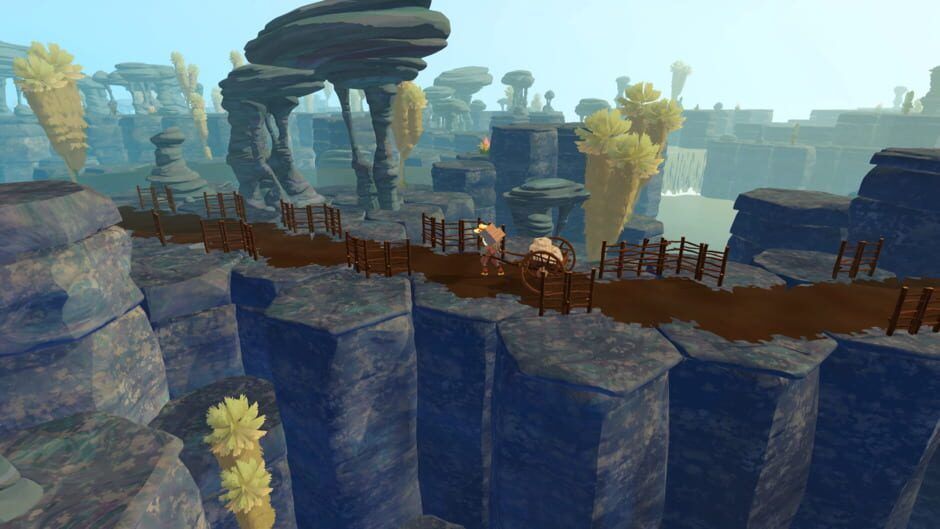

How prospecting, Midwinter Eve Cloth, and festive decor turn a holiday patch into a blueprint for Bitcraft’s social-first MMO future.
Bitcraft’s world has always felt more like a sleepy village waking up than a themepark queuing players for the next boss. The Midwinter Eve update leans into that identity in a way that quietly says more about Bitcraft’s long term direction than a dozen combat balance patches ever could.
Instead of raids or limited time power grinds, Clockwork Labs used its holiday patch to deepen the game’s social and economic loop. Prospecting, Midwinter Eve Cloth, and the new line of festive decorations are all small, focused systems, but together they reinforce what Bitcraft wants to be: a cozy, persistent sandbox where cooperation and craft matter more than kill counts.
Prospecting: Gathering As A Social Hunt
Prospecting is the mechanical centerpiece of the Midwinter Eve patch. On paper it’s simple: players take on special hunts to track down resource nodes that can’t be accessed through normal gathering. In practice it turns basic professions like Mining, Foraging, and Hunting into a kind of shared treasure hunt.
When a prospecting opportunity appears, it doesn’t just hand you a glowy node on your minimap. You move through the world following clues and subtle prompts, working with friends or nearby players to actually locate the resource. Once you succeed, only the people who participated in the hunt can harvest the resulting materials. That one rule massively changes the tone of gathering. You’re no longer racing strangers to tap a vein first; you are incentivized to bring others along and share the payout.
For a game that is still young and deliberately light on combat, that shift matters. Prospecting takes a familiar MMO verb – “go get resources” – and reframes it as collaborative problem solving instead of quiet solo grinding or node sniping. It also gives higher level gatherers a reason to organize outings, mentor newer players, and treat the landscape as something to read and interpret rather than strip mine.
In a lot of live MMOs, the holiday patch is where you see the designers sneak in a new gear treadmill or a bite sized raid. Bitcraft is using the same calendar slot to prove out a different idea: that the most memorable seasonal events can come from systems that slow players down and point them back at each other.
Midwinter Eve Cloth: Seasonal Resources As Social Currency
The headline seasonal drop for this event is Midwinter Eve Cloth, a special material tied directly into prospecting and the broader gathering game. You don’t get it by killing a limited time boss or turning in a random currency at an event vendor. Instead you earn it by participating in Midwinter hunts and broader seasonal activities around the world.
That design choice does two things at once.
First, it anchors the holiday event inside the professions system. If you are already a dedicated gatherer or crafter, Midwinter Eve Cloth is not just fluff. It is a sought after ingredient that feeds directly into your existing progression path, whether that is tailoring, carpentry, or furnishing a town. If you are more combat or exploration focused, it nudges you toward those social economic loops without forcing a full lifestyle change.
Second, it turns the cloth itself into a kind of social currency. Because the material flows through prospecting groups and cooperative gathering, Midwinter Eve Cloth naturally ends up being traded, gifted, or stockpiled for community projects. You might buy some from a local market stand to finish a set of decorations, or you might join a prospecting party because your neighbor needs a pile of cloth for a town square redesign. Either way, the resource pulls you into the wider player economy instead of sitting in your personal holiday stash.
It is a clever inversion of the classic MMO winter event, where everything important usually comes from an isolated activity track. Bitcraft’s cloth is rare, but it is rare in a way that makes your server feel more alive.
Festive Decoration Crafting: Cozy As Content
The payoff for all that prospecting and cloth collecting is a surprisingly robust set of Midwinter themed decorations. Snow, seasonal trees, fabrics, and holiday furniture can all be crafted and placed to transform cabins, hamlets, and burgeoning cities into glowing winter scenes.
In a combat heavy MMO, that might read as side content. In Bitcraft’s economy first sandbox, it is the content.
Decorators and builders now have a new catalog of short term goals that fit neatly into the game’s existing rhythms. You gather seasonal resources, work with crafters who have unlocked the relevant recipes, and then decide how to deploy those items in shared spaces. A communal hall might become a Midwinter feast site. A sleepy crossroads might sprout lanterns and banners that make it feel like a real, lived in village.
That visual transformation feeds directly back into the social loop. Players have a reason to visit one another’s claims, host small gatherings, or simply travel through town centers to see how the community has dressed up for the season. Screenshots and short clips of cozy settlements become their own form of word of mouth marketing, and in a young MMO that kind of organic visibility is invaluable.
Mechanically, the decorations are powered by existing crafting disciplines. Tailors, carpenters, and gatherers all have skin in the game, which keeps the holiday from feeling like a bolt on mini game. Economically, the demand for Midwinter decor spikes trade in base resources as well as seasonal ones. Newer players can contribute by foraging or hauling, while veterans handle rare materials or high level crafts.
All of this adds meaningful friction and purpose without introducing a single new monster.
What Midwinter Eve Says About Bitcraft’s Future
Taken together, prospecting, Midwinter Eve Cloth, and decoration crafting read like a thesis statement for Bitcraft’s long term design.
Clockwork Labs is clearly comfortable leaving combat in a supporting role while it layers depth onto gathering, crafting, and city building. The Midwinter Eve update could easily have been framed around world bosses dropping festive weapons, but instead it leans into the fantasy of being part of a slow growing civilization. Your contribution is measured in how your town looks, how your market stalls evolve, and how often you are collaborating with others to wring value out of the landscape.
The structure of prospecting also hints at where future systems may go. Limited access rewards that are shared only among participants are a powerful tool for encouraging intentional groups without relying on raids. You can imagine later updates that expand prospecting like hunts for ancient ruins, caravan routes that only pay out to those who escorted them, or communal agriculture projects that reward everyone who tended the fields. Midwinter Eve is a small scale testbed for that style of social contract.
The seasonal resource design points toward a live service model that uses holidays as accelerants for the core loop instead of separate progression tracks. Autumn brought harvest themed gatherables and recipes; Midwinter delivers cloth and snowy decor; future events are likely to keep reinforcing the same professions rather than spinning up side economies that die on patch day. That consistency is crucial if Bitcraft wants a stable, player driven market that feels persistent.
Finally, the sheer coziness of the event is not accidental. Bitcraft has been marketed as an MMO where farming, building, and social strategy can matter more than combat, and Midwinter Eve puts that pitch on screen. Snow drifting over communal builds, hand crafted decorations in windows, and players organizing prospecting runs for cloth all sell a particular fantasy: that this is an online world you live in, not just a lobby you log into for boss timers.
For an emerging MMO, that identity work is as important as any content drop. Midwinter Eve is not just a holiday celebration; it is Bitcraft quietly doubling down on being a social sandbox first and an RPG second, and it suggests that future updates will keep adding complexity to the village rather than the battlefield.