
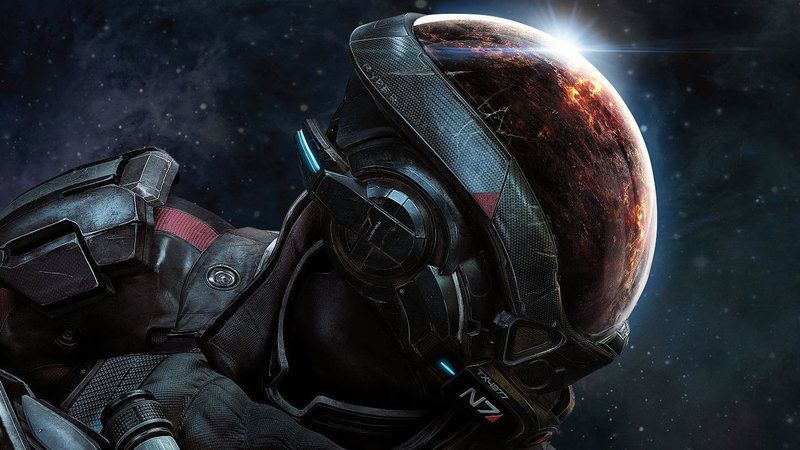

Canadian fans have pushed a BioWare petition past the House of Commons threshold. The hard part is turning a political signal into funding, an EA deal, and a viable Canadian studio.
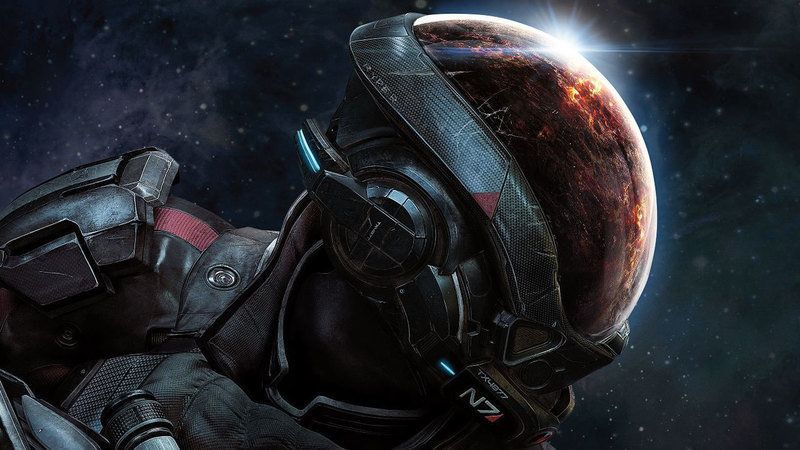
Image: change.org
A fan campaign has reached Parliament, but EA still holds the board
Canadian BioWare fans have moved their campaign from social media outrage into the formal machinery of government. According to Kotaku, petition e-7898 on the Canadian House of Commons website has passed the 500 validated signatures required for a petition from Canadian citizens and residents to be presented or tabled in Parliament, which should trigger an official response through that process.
That is the strongest concrete development in a story otherwise crowded by grief, anger, and wishful strategy. The BioWare Canadian petition, sponsored by Parliament member Don Davies, asks the Government of Canada to provide BioWare with the capital needed to secure independence from Electronic Arts, obtain its intellectual property, and resume business as an independent Canadian company. VGC reports that the petition frames BioWare as one of Canada’s important cultural exports and argues that its closure is a loss to the country’s cultural legacy.
The immediate tension is that a parliamentary petition is a political signal, not a purchase order. EA still owns BioWare and its IP, according to both Kotaku and VGC. Even if the Canadian government were interested in funding some version of a rescue, the practical path would require EA’s cooperation, a valuation, a buyer structure, and a plan for the rights. The petition can force a response. It cannot force Electronic Arts to sell Mass Effect, Dragon Age, or the BioWare name.
What the petition is actually asking Canada to do
The House of Commons petition, as quoted by Kotaku, calls on the Government of Canada to provide BioWare with capital to secure independence from Electronic Arts and resume operations as an independent Canadian company. It also asks Ottawa to protect Canadian businesses and cultural institutions from American and foreign corporate interests and to preserve BioWare’s contribution to the global entertainment industry.
VGC’s report includes the petition’s broader argument: that BioWare games have sold tens of millions of units globally and that its productions champion inclusivity, tolerance, democracy, justice, and civil rights. The petition also describes BioWare as one of Canada’s most important cultural exports in the 21st century. Those are the cultural-policy terms campaigners are using to move BioWare from a fan grievance into a public-interest argument.
That framing matters because it changes the arena. A normal fan petition asks a publisher to reverse a decision. This one asks the federal government to treat a shuttered game studio like a cultural asset worth protecting. In strategy terms, the campaign is trying to change the win condition. Instead of persuading EA that a new Mass Effect is commercially attractive, it is asking Canada to decide that keeping BioWare talent and intellectual property under Canadian control has national value.
The request is also much bigger than a grant. Funding a studio to go independent would be one problem. Funding a studio to buy itself and its IP from a global publisher would be another. The petition blends both into a single goal, but the second part is the real boss fight.
The political route is formal, slow, and limited
Kotaku reports that House of Commons petitions require 500 validated signatures from Canadian citizens or residents before they can be presented or tabled, and that this BioWare petition has crossed that threshold. That means it enters an official process and should receive some kind of government response. It does not mean Cabinet support, a funding commitment, or a negotiating mandate with EA.
The political spark came before the petition. Kotaku, PC Gamer, and IGN all covered comments from Avi Lewis, leader of Canada’s New Democratic Party, who argued that BioWare developers should receive federal support to buy and run the studio themselves. IGN quotes Lewis saying that the developers “know how to run the studio” and should be given “the first opportunity” and federal support to buy it. Kotaku reports that Lewis linked the closure to EA’s ownership by private equity following its acquisition by Saudi Arabia’s Public Investment Fund, Silver Lake Partners, and Jared Kushner’s Affinity Partners.
IGN’s account says EA announced on October 21 a major shift in strategy and internal restructuring involving the closure of BioWare in Edmonton, the cancellation of projects, and a reported 400 job losses. IGN also reported that the next Mass Effect had around 50 people working on it, all of whom were cut. VGC separately reported that EA was closing BioWare and cancelling the next Mass Effect.
There is a small but important sourcing wrinkle around EA’s ownership timeline and description. IGN describes a $55 billion acquisition by an investor group composed of Saudi Arabia’s Public Investment Fund, Silver Lake, and Affinity Partners, approved in December 2025. Kotaku’s earlier article says the acquisition went through in August. VGC’s quotation of the petition highlights Saudi Arabia’s Public Investment Fund and Jared Kushner’s Affinity Partners. The shared confirmed point across the provided reports is that campaigners and Lewis are tying BioWare’s closure to EA’s post-acquisition corporate direction. The exact legal and timing details would matter if Ottawa ever treated this as a real industrial-policy file.
EA’s incentives are the largest obstacle
The hardest part of any BioWare government funding plan is not getting fans to agree that the studio mattered. It is getting EA to sell what the petition wants to buy. VGC notes that EA’s closure announcement did not mention an effort to find a buyer for BioWare or an offer for the studio to buy itself out. Kotaku adds that EA historically does not sell its IP or studios, which is one reason observers should temper expectations.
That point cuts through the emotional logic of a rescue campaign. If EA owns BioWare’s franchises, then public capital alone does not recreate the old studio. An independent group of former developers could potentially form a new company, but using Mass Effect, Dragon Age, or other BioWare-owned material would require rights that EA controls. The petition’s request explicitly recognizes that by calling for capital to secure both independence and intellectual property.
VGC also reports that the Mass Effect TV series is still in production despite the studio closure, which suggests EA may still have plans for the IP outside game development. That does not prove EA would refuse every deal, but it weakens the assumption that the company sees Mass Effect as dead weight. A publisher can close a studio while keeping an IP alive for licensing, adaptation, merchandising, or a future development partner.
From a long-range strategy perspective, this is the difference between saving a roster spot and saving the whole franchise ecosystem. A funded employee buyout without the IP could preserve jobs and expertise but would not automatically restore Mass Effect. A buyout with the IP would be far more expensive and would require EA to part with assets tied to decades of brand equity.
Canada already funds games, but a BioWare rescue would be a different class of intervention
IGN notes that Canada already offers significant federal and provincial tax relief to support video game development studios, offsetting costs and helping explain why many studios maintain bases in major Canadian cities. That existing policy context makes the BioWare petition less random than it might look from outside Canada. Games are already part of the country’s economic-development playbook.
But tax credits and a direct capital-backed rescue are different tools. Tax relief helps studios reduce production costs when they are operating. The petition asks for capital that would help BioWare separate from EA and obtain its IP. That would move the conversation from support for an industry into a targeted intervention around one studio’s ownership and cultural value.
Realistically, public funding could take several shapes if the government were to engage at all. The sources do not report any announced Canadian funding package, so these should be treated as possible structures rather than confirmed plans. Ottawa could respond politically without funding anything. It could point to existing programs and tax relief. It could explore support for displaced developers. Or, in the most ambitious version imagined by the petition and by Lewis’s comments, it could back an employee-led acquisition attempt.
Each option carries a different risk profile. Supporting developers after layoffs is easier to justify and administer than buying IP from one of the world’s largest game publishers. Backing a new independent studio could preserve Canadian talent, but it would not guarantee access to BioWare’s classic franchises. Funding an IP purchase would raise questions about price, governance, creative control, public return, and whether taxpayers should underwrite a deal that EA has not publicly offered.
The fan movement is broader than one parliamentary filing
The government petition is part of a larger Mass Effect fan mobilization that has grown since the closure reports. VGC says another petition seeking to save the Mass Effect series had reached 299,618 signatures at the time of its report. The same outlet says campaigners have bought Times Square billboards in New York to advertise the movement.
That scale helps explain why the BioWare studio funding push has political oxygen. Fans are not only asking for a cancelled project to be uncancelled. They are building overlapping pressure campaigns around Mass Effect’s future, BioWare’s Canadian identity, and the role of foreign ownership in domestic cultural production.
The movement is also arriving at an awkward calendar moment for the franchise. VGC reports that fans are preparing for a sombre N7 Day and that at least two new merch drops are expected, suggesting BioWare had plans for the day before its closure. IGN also reported that a trailer for the cancelled next Mass Effect leaked online after EA’s announcement and showed the title Mass Effect Universe. Kotaku’s coverage similarly refers to fan efforts around the cancelled Mass Effect: Universe.
For players, that mix of merch, leaked material, petitions, and political action can create false certainty. The confirmed state from the provided reports is still bleak: BioWare has been closed, the next Mass Effect has been cancelled, and fans have secured a formal Canadian petition milestone. Nothing in the source material confirms a buyer, a revived project, a new studio, or an EA willingness to transfer IP.
The practical outlook for BioWare in Canada
The most likely near-term result is an official government response to the petition, not a sudden rebirth of BioWare. Kotaku’s explanation of the House of Commons process supports that expectation. Crossing the signature threshold gets the petition into Parliament’s formal channel. It does not settle the commercial questions that sit between fan demand and a functioning studio.
For a BioWare government funding plan to become real, several gates would have to open in sequence. The government would need to decide that the studio’s fate merits direct intervention. A credible buyer group, likely involving former BioWare workers if the campaign follows Lewis’s proposal, would need to exist. EA would need to negotiate. The parties would need to decide whether the deal covers the studio name, technology, ongoing assets, and major IP such as Mass Effect and Dragon Age. None of those steps has been confirmed by the current reporting.
Still, the petition has already reframed the argument in a way publishers and politicians may notice. BioWare’s closure is being treated by campaigners as a Canadian cultural and industrial-policy issue, not only a disappointing corporate decision. Whether Ottawa accepts that framing is the next test.
Readers looking for immediate guidance should keep expectations conservative. There is no announced release path for the cancelled Mass Effect, no reported platform plan, no price, and no confirmed successor studio. The petition is meaningful because it creates a formal political response point. It is limited because EA still controls the assets fans most want saved. In the current meta, the fans have won tempo. They have not taken the objective.