
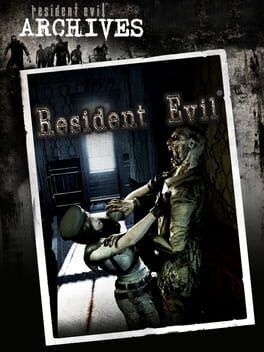

Inside the BioRand randomizer mod that scrambles classic Resident Evil into a surreal, endlessly watchable remix of rooms, items, enemies and characters.
BioRand is what happens when a community loves a game so much that it stops treating it like a museum piece and starts treating it like a toy. For the original PlayStation era of Resident Evil, this randomizer doesn’t just shuffle a few key items and enemy spawns. It pulls the whole mansion, police station and city apart, then rebuilds them into a barely coherent but shockingly playable comedy fever dream.
At its core, BioRand is a tool that hooks into the classic PC versions of Resident Evil 1, 2 and 3 and reassembles almost everything you take for granted. Rooms do not have to connect to their canonical neighbors. Safe rooms do not have to be safe. Dialogue does not have to belong to whoever is currently on screen. The result is a version of Resident Evil that feels like you’re dreaming about the games after binge-watching lore videos and meme compilations all night.
The most dramatic switch in BioRand is door randomization. In the original games, opening a door is a breather, a moment of tension before you re-enter a familiar layout. With BioRand, every door becomes a jump cut. You might step through the dining room door in the Spencer Mansion and materialize in a late game laboratory, then leave that lab into a chunk of Raccoon City from Resident Evil 3. The mod cross-wires exits across all the areas in a game, building an improvised labyrinth that still maintains a hidden logic so that keys and progression items are eventually reachable.
This is the magic trick. On the surface, BioRand looks like random chaos, but under the hood it is carefully constrained. The modders use logic rules so that vital items and key-locked doors remain solvable. You are still playing Resident Evil, hunting for crests, keys, emblems and fuses. You just have no idea which door will spit you out near the next step. The familiar fixed camera angles, pre-rendered backgrounds and stiff animations suddenly feel new again, because your mental map is completely unreliable.
Item and enemy randomization will be familiar to anyone who has tried other randomizers, but BioRand leans hard into turning those systems into slapstick. A healing herb in a safe corridor might turn into a rare weapon in a death trap of a hallway. Ammo can appear in places it never did before which changes how bold you feel about tackling rooms that might be full of high tier monsters. On the flip side, a room that used to be a mild nuisance can become a nightmare if BioRand decides to populate it with boss tier threats.
This is where the survival horror tension transforms into something closer to dark comedy. Opening a door and hearing the audio cue of a huge creature in what used to be a cozy save room is equal parts horrifying and hilarious. Players who know the original games by heart get to watch their hard earned knowledge implode as a familiar route suddenly becomes an enemy gauntlet or a once crucial hallway turns into a dead end that goes nowhere useful.
BioRand also plays with identity. It includes a large suite of playable characters pulled from across the Resident Evil series and even neighboring Capcom horror titles. You can run through the Spencer Mansion as characters who were never there, then bump into voice lines that clearly were not written for them. Cutscenes get chopped and reassembled so that characters borrow each other’s lines, and reactions that once carried melodramatic seriousness now land as bizarre non sequiturs. The acting has always had a campy edge, and BioRand leans into that, recasting classic scenes as unintentional comedy sketches without crossing into outright parody.
The audio chaos does not stop at dialogue. The soundtrack can be randomized so that intense combat themes kick in during quiet exploration while somber ambient tracks play over deadly encounters. The tonal whiplash works surprisingly well with the already dreamlike feeling of fixed camera horror. When a dramatic sting erupts as you slowly push a statue or when chill lobby music plays during a boss fight, it pushes the experience toward surreal horror comedy rather than the controlled pacing of the original release.
What makes BioRand special among randomizers is how deeply it touches the structure of the games. Most randomizers stay conservative, keeping level layouts intact and limiting themselves to item and enemy placement. BioRand treats rooms, doors, characters, music and even the boundaries of each individual title as variables to be remixed. The upscaled background packs that often accompany BioRand builds heighten this effect. Some of those AI touched backgrounds look slightly wrong, with smudged details or strange lighting, which only adds to the impression that you are wandering through a corrupted memory of Resident Evil rather than the pristine original.
This approach has turned BioRand into a favorite for streamers and YouTubers who thrive on unpredictability. Classic Resident Evil speedrunners and lore experts can no longer rely on rote memorization, which creates genuine surprise on camera. Watching a seasoned player open a door expecting a save room and instead stumble into a monster filled arena is compelling content. Randomizers and chaos mods in general have become a major way for older games to stay alive in the age of live content, and BioRand fits neatly into that trend.
In communities built around games like The Legend of Zelda or Dark Souls, randomizers have extended the lifespan of speedrunning and casual play by forcing new routing strategies and revealing obscure mechanics. For classic survival horror, BioRand serves a similar role, but with an extra layer of theatricality. Every new seed is a bespoke haunted house designed for both the player and the audience. The tension between danger and absurdity is perfect for clipped highlights and reaction compilations, which helps the older PC versions of Resident Evil 1 through 3 find new viewers decades after release.
Behind that spectacle is a dedicated modding scene that treats these games as living platforms. BioRand itself is under active development, with community members contributing new character packs, voice sets and refinements to the randomization logic. Players share seeds that led to particularly unhinged runs, and some creators establish house rules or challenges built around BioRand’s systems. One run might ban powerful weapons and force knife only combat through a heavily enemy packed mansion. Another might lean into the comedy angle by prioritizing the most out of place character combinations and dialogue swaps.
Importantly, BioRand does all this without replacing the classic games or trying to rewrite their stories. The original campaigns remain intact and available for players who want the traditional slow burn of survival horror. The mod sits alongside them as a remix machine that lets veterans experience that architecture and pacing in broken, remixed form. It is a celebration of how well those foundations hold up even when everything built on top of them is gleefully rearranged.
Within the larger history of Resident Evil modding, BioRand represents a shift from surface level tweaks to deep structural experimentation. Earlier mods often focused on difficulty, new enemy placements or cosmetic swaps. BioRand goes after the skeleton of the game, treating camera angles, room connections and narrative context as fair game. That ambition is why it resonates so strongly in the modern streaming era. It respects the design of the classics enough to keep them solvable, but it refuses to keep them static.
For players who grew up with fixed camera angles, ink ribbons and tank controls, BioRand is a way to return without simply retracing the same steps. For newcomers discovering the series through remakes and curated retrospectives, it offers a parallel track, a glimpse of how playful and strange survival horror can become in the hands of a community that knows every corner of these games. The scares are still there, but they share the stage with a kind of delirious, improvised comedy that only emerges when you open a door and have no idea what world you are about to step into.