
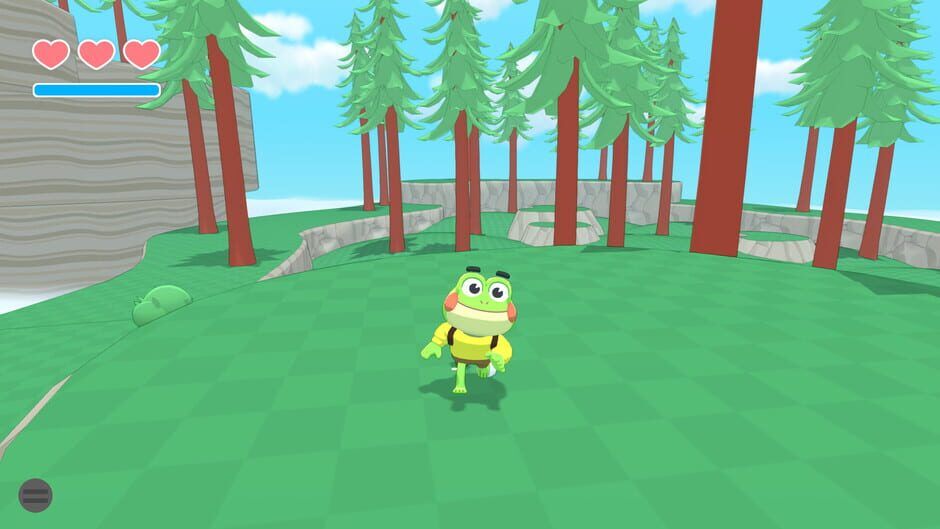

Early speedrunners are tearing apart this froggy 3D platformer, and its movement tech and category potential make it feel built for the Games Done Quick stage.
Big Hops only just hopped out of the pond, but it already feels like a future Games Done Quick regular. Luckshot Games’ movement‑driven 3D platformer has been quietly building a speedrunning scene since its demo days, and now that the full release is here, the tech and category potential look tailor‑made for a marathon crowd.
A platformer that wants you to break it
Both Rock Paper Shotgun and Console Creatures zero in on the same thing: Big Hops really wants you to push its systems. You play as Hop, a tiny frog tossed into strange worlds and asked to rebuild an airship by hunting down parts and collectibles. The structure screams classic collectathon, but the feel is closer to a modern Mario blended with a PC “jank‑friendly” sandbox.
Almost everything about the design reads like an invitation to speedrunners. Hop’s full kit is available very early, from jumps and dives to a long‑reaching tongue grapple, wall movement and a fast ground slide. The levels are wide and open, with multiple routes and a lot of space to improvise lines. The veggie system, where you throw plantable gadgets to create new platforms, routes and interactions, turns each room into a routing puzzle as much as a platforming one.
Reviews highlight how often the game lets you ignore the obvious golden path and instead chain a wild sequence of dives, tongue swings and improvised veggie placements to reach objectives way ahead of schedule. That kind of intentional looseness is exactly what marathons love to showcase: the moment a runner explains “you’re not supposed to be here yet, but…” and then clears a huge chunk of the game in a single flowing movement string.
A scene that started before launch
Big Hops arrived on speedrun.com months before release thanks to its Steam demo. The earliest board focused on Demo%, with runners racing from a fresh file to the end of the limited build. Even at that stage, times were dropping into the 5–7 minute range. Names like InvalidBluu, Themimik, LitPotato57 and EvanEdits set the tone, squeezing every bit of momentum out of slide‑hops and tongue swings.
That early ladder matters for an AGDQ‑style future. It shows the game has a lab‑rat community that was willing to dissect tech when there was barely anything at stake. Moderators like LitPotato57 and strangermiles have been curating categories and keeping the boards healthy, which is often what separates a flash‑in‑the‑pan indie from something that can support a serious marathon submission.
Developer Chris Wade has also been very open about courting that crowd. In interviews he talks about Big Hops being built with speedrunning in mind, citing the in‑game speedometer trinket, challenge‑room leaderboards, movement‑centric level design and a willingness to leave in some rough edges if they lead to interesting player expression. That attitude tends to resonate with Games Done Quick planners, who want runs that are consistent enough to finish on schedule but wild enough to generate water‑cooler clips.
Movement tech that reads great on stream
On camera, Big Hops has three big advantages for a marathon slot: clarity, flow and personality.
Clarity comes from clean visuals and readable goals. The worlds are bright and colourful, with landmarks that make it easy for viewers to parse where the runner is headed even if they have never touched the game. Collectibles like Drips are scattered in ways that telegraph optimal lines. When a runner takes a bizarre looking shortcut, you can still see the logic behind it.
Flow is where the tech shines. Hop’s dive can sharply redirect in midair, his tongue can chain grapples between hook points, veggie gadgets create ladders, springboards or sticky ricochet nodes and slides carry momentum into jumps. In practice, high‑level play ends up looking like a continuous parkour line, closer to a best‑of‑tape Tony Hawk combo than a traditional stop‑and‑start platformer.
It also has personality in spades. Fully voiced characters, snappy writing and a froggy protagonist with a very readable silhouette give commentators plenty to latch onto. There is room to fill downtime with story context without losing the audience in lore. Even if you tune in partway through a run, you know you are watching a determined frog break physics to get back to his family.
The categories that look made for GDQ
The current public boards lean on the old demo categories, but the full release suggests a natural set of marathon‑ready runs.
Any% will almost certainly revolve around exploiting the airship structure. Because worlds can be tackled in different orders and many objectives are accessible well before the story nudges you toward them, routing is going to be about threading the fastest sequence of airship upgrades with the most broken veggie and badge setups. Expect runners to prioritize badges that extend slides, boost speed and reduce recovery, then chain long strings of airship parts in routes that make a very non‑linear game look surgical.
100% is the crowd pleaser. Big Hops is stuffed with Drips, side quests and world stories, from Red Desert sewers to junker ocean towns and pirate kidnappings. A full clear forces runners to visit all of that content while still squeezing every second out of movement tech. For a marathon, that is perfect. Commentators get time to showcase different biomes, music mixtapes and character arcs, while the runner demonstrates advanced tech in varied contexts rather than just one perfectly tuned route.
IL and challenge‑room relay segments are another natural fit. The game already tracks challenge times and encourages community competition. A Games Done Quick block that rotates runners through the toughest or most stylish rooms would play well as a shorter showcase: rapid resets, visible time saves and very tight execution with low narrative overhead.
Finally, you can imagine a glitch‑heavy category taking root as the community digs deeper. The physics are generous and the veggie system allows strange geometry interactions. That is exactly the recipe that often leads to out‑of‑bounds discoveries, storage quirks or chainable zip launches. A late‑night “Frog%” or “Veggie%” meme category that strings together the weirdest state breaks in a 30 minute chaos run would feel right at home beside the other experimental AGDQ blocks.
Why it fits the AGDQ vibe
Games Done Quick runs live and die on three things: mechanical ceiling, crowd‑visible payoff and commentary hooks. Big Hops looks like it will deliver all three.
The ceiling is obvious. Even in early demo runs, you can see time falling as players discover new slide‑cancel angles or better use of tongue momentum. With a full campaign and more veggies introduced in later worlds, the potential for sequence breaks and line refinement is huge.
The payoff is easy to read. When a runner nails a triple chain of bubble hooks across a gap or threads through a desert sewer route at full speed, viewers can tell immediately that they just watched something difficult and risky. The game’s camera and animation work make speed feel tangible, which is not always the case in more zoomed‑out or low‑contrast platformers.
Commentary hooks come from the fiction and from the dev’s speedrunner‑first mindset. There are plenty of fun tidbits to drop during quieter traversal sections, from the inspirations behind Hop’s move set to the wild mix of references in each world’s art direction. The froggy theming is light enough that you do not need to memorize lore, but strong enough to keep a block feeling cohesive when runs of different categories are scheduled back‑to‑back.
Most importantly, Big Hops feels welcoming. It is not a punishing precision platformer. It is a playful, colourful world that rewards experimentation. That is the kind of game where new runners feel comfortable taking their first shot at a marathon submission, where established runners can put on a stylish show without worrying that one missed input ruins half an hour of progress and where an audience can simply enjoy watching a very fast frog improvise their way through an adventure.
AGDQ is always looking for new games that can grow with the event over multiple years. With its early leaderboard community, movement‑first design and clear stage presence, Big Hops is already lining up to be one of those games.