

A practical, source-grounded shortlist of Android and iOS grinding games that still reward steady progress when you cannot count on constant Wi-Fi.
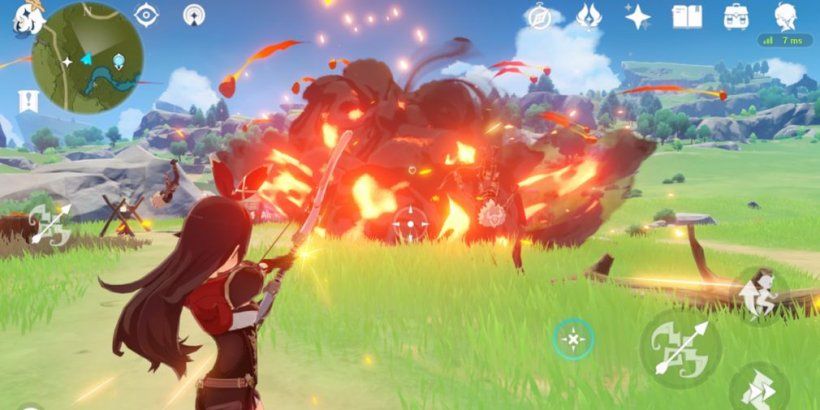
Image: pocketgamer.com
Offline progress is the real filter for mobile grinding
The strongest confirmed detail for players hunting the best mobile grinding games is also the most practical one: MMOCulture’s 2026 offline mobile games roundup says its listed games are available on Android and iOS, need internet for installation and latest files, then allow their main single-player content to work offline. That matters because “grindy” and “offline-friendly” are often treated as the same thing in mobile lists, when they are very different asks.
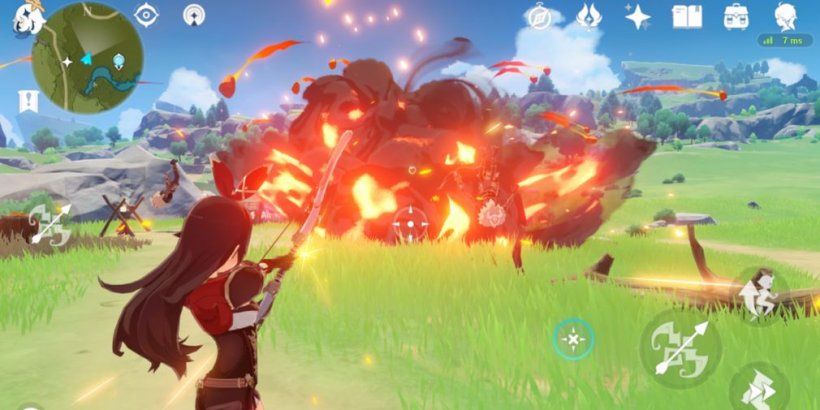
Pocket Gamer’s updated mobile grinding list defines the appeal clearly: grinding games ask players to spend time earning experience, money, materials, or other resources to push upgrades forward. Its examples include Genshin Impact, where Pocket Gamer points to character materials, weapon materials, and Domains with scheduled rewards as part of the loop. That is a strong grind, but it is not the same promise as a game that lets you keep advancing on a plane, train, or weak commute signal.
So this shortlist is intentionally narrower. It favors games where the cited source material supports both parts of the pitch: repeatable progression and offline-friendly play. The best offline Android games and iOS grinding games here are not chosen because they are the biggest live-service time sinks. They are chosen because their progress loops survive without constant online dependence, with clear caveats where storefront downloads, DLC, multiplayer, or leaderboards still need a connection.
Stardew Valley is the safest long-save grind
Stardew Valley is the cleanest recommendation for most players because its grind is broad, gentle, and easy to portion into mobile sessions. MMOCulture describes it as a farming simulation RPG where you turn an inherited piece of land into a farm across many in-game years, with seasonal crops, animals, fishing, mines, quests, and relationships in Pelican Town. That is a lot of repetition on paper, but it is repetition with texture: one day might be about planting, another about mining, another about fishing, another about nudging a friendship forward.
The offline case is strong. MMOCulture says farm saves work offline after installation and latest files, while hidden experimental multiplayer requires a local network or direct IP connection and iOS leaderboards need internet. It also lists Stardew Valley as a premium purchase with no in-app purchases. For readers specifically searching for offline mobile games with steady progress, that payment model is part of the appeal. You are buying a save file that can grow for dozens of hours rather than checking in on a stamina timer.
Its Version 1.6 mobile content, autosave, and multiple control options are also cited by MMOCulture. Those details help explain why it fits phones so well. The game’s day structure gives players a natural stopping point, which makes the grind feel handcrafted rather than endless. If you want the warmest Android games for grinding, Stardew Valley is the one I would hand to someone who wants visible progress without turning every session into a combat test.
Terraria is the deepest offline grind if you want systems stacked on systems
Terraria is the recommendation for players who want their progress measured in tools, bosses, biomes, buildings, and discoveries. MMOCulture describes it as a 2D sandbox with caves, bosses, equipment, building materials, and more than 5,000 items. The same source says each world can become a survival challenge, a long boss hunt, or a space for building an entire town. That makes it one of the best offline Android games for players who like a grind that branches instead of marching down one upgrade track.
The offline terms are clear in the source material. MMOCulture says solo worlds work offline, while local Wi-Fi and online multiplayer require a network connection. It lists Terraria as a premium purchase with no listed in-app purchases. Fix Gaming Channel’s offline Android games coverage also frames Terraria as a huge offline choice, citing building, crafting, boss fights, underground trips, equipment progression, and world generation as reasons it can occupy a phone for a long time.
The tradeoff is density. Terraria can be less immediately cozy than Stardew Valley because its progression depends on understanding what your world is offering you and what danger you are ready to face next. MMOCulture notes that the mobile version includes the 1.4.5 Bigger & Boulder update, with Dead Cells and Palworld crossover content, new furniture, transformation mounts, whips, world seeds, and other additions. That is excellent value for players who enjoy digging into systems, but it also means the early hours can feel busy. If your ideal grind is exploration into crafting into boss prep into better gear, Terraria is the strongest pick on this list.
Dead Cells turns repetition into skill progression
Dead Cells is the sharpest choice here for players who want a grind that fights back. MMOCulture describes the mobile version as a roguevania action platformer set inside a castle where every failed escape sends you back to the beginning. The source points to new weapons, permanent upgrades, and knowledge of enemy patterns as the things that make later attempts more manageable.
That is a different kind of mobile grind. Stardew Valley rewards planning and routine. Terraria rewards accumulation and experimentation. Dead Cells rewards execution. The run-based structure means your progress is partly mechanical, partly mental, and partly permanent unlocks. For my taste as a platformer obsessive, that gives it a satisfying edge: even a failed run can leave you better at spacing, timing, weapon choice, and reading enemy behavior.
MMOCulture says the base game and installed content work offline, while purchasing or downloading DLC requires internet access. It also lists Dead Cells as a premium base game with optional paid expansions and notes that the mobile port includes Original and Auto-Hit modes, customizable touch controls, controller support, and no ads or free-to-play mechanics. That last part is important for anyone searching for the best mobile grinding games but tired of progress being tangled in monetization pressure. Dead Cells is demanding, but its grind is honest about what it wants from you.
Good grinds that need a caveat before you travel
Some games belong in the conversation but do not make the core offline shortlist based on the supplied source material. Genshin Impact is the big one. Pocket Gamer highlights it as a grind-heavy mobile game because players build teams of up to four characters, gather materials for each character, grind weapon materials, and visit different Domains throughout the week as rewards change on a schedule. GamesRoid also calls Genshin Impact one of mobile’s most complete open-world experiences, citing Teyvat’s regions, combat built around elemental abilities, exploration, puzzles, quests, and hidden chests.
Those details support Genshin as a major grinding game on Android and iOS. They do not, in the provided material, support it as an offline-friendly recommendation. If your search is simply “best mobile grinding games,” it belongs in the wider field. If your search is “offline mobile games” or “iOS grinding games I can rely on without Wi-Fi,” it sits outside this article’s safest picks.
Pocket Gamer also names Dungeon Chronicle as a classic mobile RPG with heavy grinding, character creation, weapon choice, endless dungeon levels, and progression pressure as players advance. That sounds like a natural fit for players who want straightforward loot and levels, but the supplied excerpt does not confirm offline functionality. DroidGames, meanwhile, lists Labyrinth Legend as an offline action RPG and dungeon crawler with fast-paced combat, dungeon exploration, loot, equipment upgrades, and character progression. That gives it a stronger offline signal, though the excerpted listing is thinner than the available sourcing for Stardew Valley, Terraria, and Dead Cells. Treat it as a title to verify on your own app store before counting on it for a no-signal trip.
How to pick the right grind before you lose signal
If you want relaxed, long-term progress, start with Stardew Valley. The source-backed strengths are farm saves that work offline, a premium model without in-app purchases, autosave, control options, and a daily rhythm that can fit a short break or a long evening. It is the least punishing recommendation here and the easiest one to resume after days away.
If you want one offline game with the most mechanical sprawl, choose Terraria. Its solo worlds work offline according to MMOCulture, and the combination of crafting, bosses, building, items, and world generation makes it the densest pick. The price of that depth is a steeper learning curve and a greater need to set your own goals.
If you want grind through mastery, choose Dead Cells. It is best for players who enjoy repeat runs, difficult combat, and steady improvement through practice. The base game and installed content work offline, but MMOCulture’s caveat is worth following: buy and download any DLC before traveling.
The practical rule is simple. Install the game, open it once, let it download current files, and test a save in airplane mode before you need it. MMOCulture explicitly notes that its offline picks still require internet access for installation and latest files, and some optional features need a connection. That small check separates a reliable offline grind from a dead icon on your home screen.