

A deep dive into Before I Go, the challenging, dreamlike Metroidvania heading to Nintendo Switch, exploring its death-acceptance premise, surreal art direction, and focus on precision platforming and unforgiving combat.
"Before I Go" is not the kind of Metroidvania that offers comfort. Announced for Nintendo Switch with a planned 2026 release, J’s Labratory’s debut is positioning itself as a punishing side-scroller built around intense platforming, uncompromising combat, and a quietly devastating theme: accepting the inevitability of death.
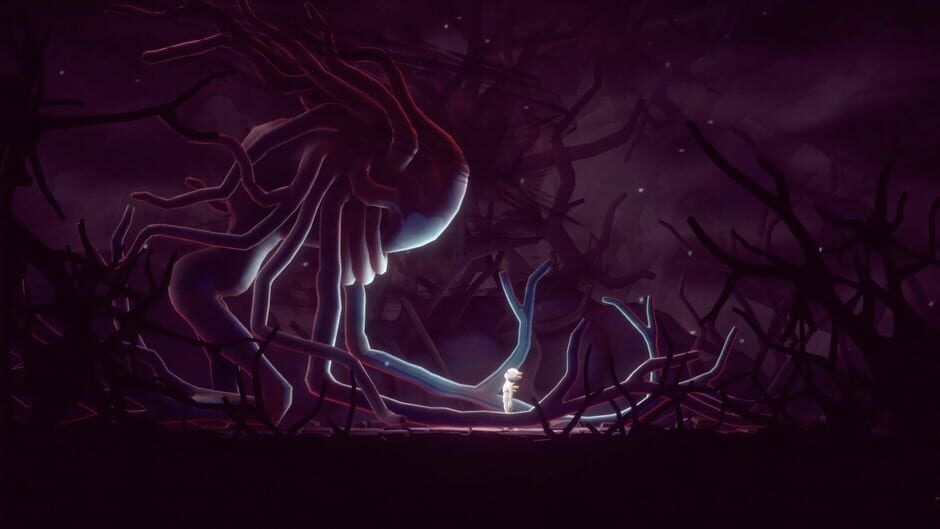
You play as the innocence of a young child, roaming a surreal, limbo-like world ravaged by a mysterious plague. Everyone else is helpless, frozen in a reality slipping away, and only this fragile inner child can move through the in-between spaces, searching for meaning and a way to face what comes next. It is an allegorical journey, and the tone immediately places "Before I Go" closer to the introspective side of the genre, beside games like Hollow Knight or GRIS, rather than a quip-heavy action romp.
Structurally, "Before I Go" is a classic Metroidvania. The world is non-linear, looping and interlocking, with paths that twist back on themselves as you gain new powers. The developers talk about distilling the essence of old-school action platformers while still feeling modern, and that comes through in how the game is pitched. You can expect an elaborate map filled with shortcuts, gated routes, and secret routes that reward curiosity, but progression hinges on your willingness to master its demanding mechanics.
Platforming sits at the heart of the experience. Trailers and early descriptions highlight precise, handcrafted sequences that demand tight control and timing. This is not a floaty, forgiving hop across wide platforms. Instead, it leans into razor-thin margins, repeated attempts, and the satisfaction that comes from finally threading through a gauntlet of hazards you once thought impossible. The studio is emphasizing responsive inputs and a feel tuned specifically for those moments where a single missed jump means starting a sequence again.
Combat looks just as unforgiving. The enemies in "Before I Go" are described as parasitic abominations, twisted shapes that feel more like manifestations of fear and decay than traditional fantasy monsters. Expect close-quarters clashes where committing to an attack window carries real risk. Learning patterns, spacing, and attack tells will likely be essential, with punishment for overextending. Taken together with the platforming, this positions the game as a challenge-first Metroidvania that wants players to learn through failure and iteration.
Character growth is built around assimilation of new powers and abilities. These serve both as combat tools and as keys that reshape how you navigate the world. While full details are still under wraps, what has been shown suggests abilities that improve mobility, extend your reach in platforming segments, and open new options in fights. That dual purpose is a staple of the genre, and here it supports the broader metaphor of a child gradually confronting, understanding, and integrating difficult truths.
What sets "Before I Go" apart at a glance is its dreamlike visual direction. The world is suffused with a hazy, fantasy aesthetic that looks almost like a reverie collapsing in slow motion. Environments shift between soft, ethereal backdrops and stark, surreal imagery that makes the parasitic enemies stand out like infections on a dying landscape. The child protagonist exists at the center of this contrast, a small figure pushing through spaces that feel at once beautiful and quietly terrifying. That tension between innocence and decay is baked into the art style, giving every vista a sense of emotional weight.
Thematically, the game does not hide its intentions. This is a story about death acceptance, about reflecting on existence from the perspective of a fading world and a fragile inner self trying to make sense of it. The plague that has immobilized everyone else reads as a metaphor for inevitability, while your journey through limbo is a process of confronting fears and coming to terms with an ending you cannot avoid. Expect environmental storytelling, melancholic encounters, and bosses that likely embody specific anxieties or stages of acceptance.
On Nintendo Switch, "Before I Go" has the potential to find a strong audience among players hungry for tough, atmospheric side-scrollers. Portable play is a natural fit for the genre, but it also raises questions about performance and input latency in a game that demands precision. J’s Labratory is promising tightly tuned controls, so how well those translate to both handheld and docked play will be crucial. If the studio can deliver smooth performance and a clean image, the contrast-heavy visuals should look striking on the OLED screen.
With a planned release targeting 2026, there is still time for the team to refine difficulty balancing, accessibility options, and progression pacing. The early pitch is unapologetically hard, centered on platforming gauntlets and punishing fights, yet the emotional core suggests a more reflective, narrative-driven experience. That combination is compelling. For players who enjoy mastering exacting challenges while being pulled through a moody, metaphor-rich world, "Before I Go" is a Switch-bound Metroidvania to keep firmly on the radar.
As more details emerge, the key things to watch will be the depth of its interconnected world, the variety of powers that transform how you traverse and fight, and how gracefully the allegory of death acceptance is woven into the moment-to-moment action. If J’s Labratory can align its dreamlike art, fierce difficulty, and intimate storytelling, "Before I Go" could stand out as one of the more memorable and emotionally resonant Metroidvanias in the coming years.