
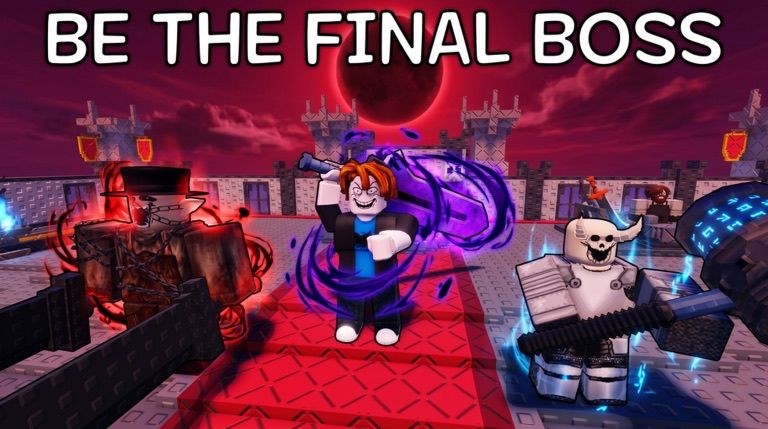
A systems-focused Roblox Be The Final Boss tier list that explains which units and weapons are worth building first, how Update 2 changed the early meta, and where new players should spend Souls and Coins.
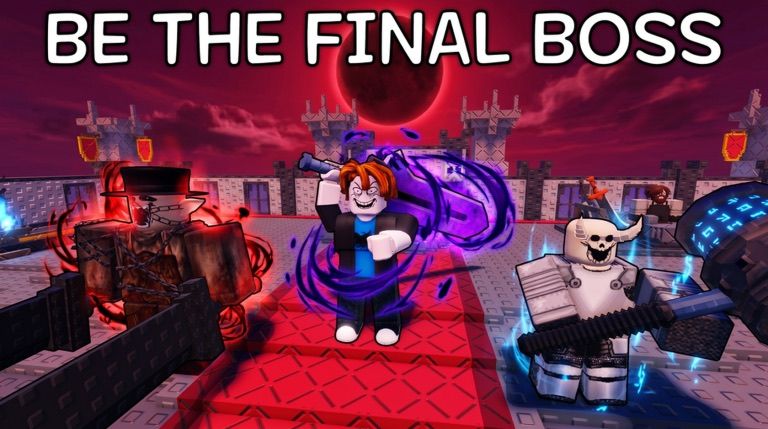
Image: bethefinalboss.net
Update 2 made the tier list a resource question, not a trophy case
The clearest new development for Roblox Be The Final Boss players is that Update 2 has already shifted the top of the community meta. The unofficial Be The Final Boss wiki says UPD2 arrived on July 24, 2026 and added Doomfist as a new S-tier carry, while Gamepur’s July 26 Update 2 tier list frames units as the game’s most important progression mechanic. That creates the real tension behind any Be The Final Boss tier list right now: the best name on a chart is not always the best place to spend your next pile of Souls.
Be The Final Boss, developed by Apparently Champions according to LDPlayer’s guide, is a Roblox defense experience built around summoning minions, protecting a castle from hero waves, improving a permanent Skill Tree, and unlocking weapons for the playable boss. The game is also in Early Access, according to the unofficial wiki, so current rankings are provisional rather than settled meta law. The wiki explicitly warns that balance can change frequently and that players should revisit rankings after major patches.
That caveat matters because several July sources are ranking the game from different levels of certainty. LDPlayer’s July 23 list limits itself to six units whose names and broad roles it says were verified through available footage and current guides. The unofficial wiki, updated around Update 2, ranks a wider S tier that includes Doomfist, Mighty Orc, Demon Butcher, Shiny Lava Imp, Iron Skeleton, and Bloody Gargoyle. Gamepur’s July 26 guide goes further into mutations and investment efficiency, arguing that the cost to max a unit can outweigh a small stat advantage. For players, the useful question is not simply “what is S tier?” It is “which upgrade keeps my castle alive long enough to earn the next one?”
For new players, the safest core is still front line, ranged pressure, then area damage
If you are starting fresh in Roblox Be The Final Boss, the most practical early recommendation across the available guide material is to build a complete defense before chasing expensive late-game picks. LDPlayer ranks Iron Skeleton and Skeleton Archer in its top tier among the six verified early units, with Iron Skeleton valued as a safer front-line upgrade over Bone Grunt and Skeleton Archer described as a dependable ranged attacker that works behind a melee line.
That combination is the foundation of early progression. Iron Skeleton buys time at the first contact point, while Skeleton Archer turns that time into damage. LDPlayer’s explanation is especially useful because it identifies the failure pattern many early players hit: ranged units collapse when the front line breaks before they can clear the wave. In practical terms, if ordinary heroes are reaching your back line, your next upgrade is probably durability or placement stability rather than a flashier damage unit.
Imp Bomber, which LDPlayer places in A tier, fills the next gap. The guide describes it as valuable when groups of heroes arrive together and overwhelm melee units faster than archers can remove them. That gives Imp Bomber a clear progression role rather than a blanket “always better” ranking. If your losses come from one tough enemy leaking through, Skeleton Archer and boss weapon upgrades may feel better. If your losses come from clustered waves shredding the front, area coverage becomes the smarter spend.
Grave Warlock is also listed by LDPlayer as an A-tier later progression option, but the same guide cautions that newer players usually gain more immediate value from finishing a basic melee, ranged, and area-damage formation first. That is the patient route: hold the lane, add consistent back-line damage, then invest in specialized or more expensive summons once your formation can function without leaving critical positions empty.
The strongest Update 2 picks are powerful, but timing decides their value
For returning players with saved Souls or a developed Skill Tree, the Update 2 conversation starts with the unofficial wiki’s S tier. Its Early Access ranking currently lists Doomfist, Mighty Orc, Demon Butcher, Shiny Lava Imp, Iron Skeleton, and Bloody Gargoyle as dominant options worth prioritizing. The wiki specifically names Doomfist as a new S-tier carry added in UPD2, which makes it the headline pick for players coming back after earlier builds.
The useful distinction is that these S-tier units do not all answer the same progression problem. The wiki ranks by wave clear speed, castle safety margin, currency efficiency, and accessibility for players without premium advantages. That means an S-tier placement is partly about how a unit performs inside a full build, not how impressive it looks in isolation. The same page warns that a top-tier minion that costs prohibitive Souls can rank lower for beginners even if veterans value it in later waves.
Gamepur’s Update 2 guide adds an important mechanical layer to that discussion. It says ranking factors include DPS, tank potential, support potential, and cost, and gives a concrete example: a max-level Demonic Skeleton Archer is described as slightly weaker than a max-level Demonic Grave Warlock, but requires 25 times fewer materials to reach max level. Gamepur’s conclusion is that investing in the Demonic Skeleton Archer first can be smarter while saving resources for a more meaningful upgrade.
That example is the best lens for returning players deciding between a familiar upgraded unit and a newly hyped one. Doomfist may be the new carry signal from the wiki’s Update 2 list, but a carry only becomes a carry if you can afford the surrounding build. If your account is short on Souls, a cheaper high-efficiency unit can push waves faster than an underleveled prestige pick sitting in your roster.
Tanks and supports should be judged by uptime, not rarity alone
Gamepur’s ranking notes are especially helpful for tanks because they focus on how easily a unit’s defensive value actually triggers. The guide contrasts Mighty Orc and Blood Gargoyle by saying Mighty Orc regenerates every two seconds regardless of combat, while Blood Gargoyle needs to take damage to heal, resulting in less healing overall in Gamepur’s evaluation. That does not erase Bloody Gargoyle from the unofficial wiki’s S tier, but it does explain why Mighty Orc is the cleaner investment when you want predictable lane stability.
For a new or mid-game account, predictable tank value is often stronger than theoretical ceiling. A front line that heals reliably can protect ranged units through uneven waves, while a conditional tank may require better placement, better timing, or more enemy contact to show its full value. The best bosses Be The Final Boss players build tend to have that same logic behind them: the playable boss can clean up leaks, but the minion line must create enough control for the player to act.
Support units complicate the usual rarity chase. Gamepur says that, in general, only Demonic units are worth getting, with exceptions for low-rarity Cursed units and some supports. The guide singles out Deathlock as a support that provides strong buffs and does not require upgrades or the Demonic mutation to be worthwhile. That is a major progression note because support value can scale with deployment count. The more units you can place, the more a buffing support can affect the entire formation.
The practical takeaway is to separate three jobs before you spend: a tank must hold contact, a damage unit must clear efficiently for its cost, and a support must amplify enough of the board to justify the slot. Rarity and mutation matter, but uptime and formation fit decide whether a unit actually accelerates progression.
Mutations are the spending trap behind many bad tier-list decisions
Gamepur’s strongest warning is blunt: before buying units, players should know that usually only Demonic units are worth getting, with the noted exceptions of low-rarity Cursed units and some supports. In a game where units, upgrades, and mutations all compete for resources, that advice changes how a Be The Final Boss guide should be read. A low-tier unit with cheap access may be useful briefly, but a long-term investment should have a mutation path that still matters once waves scale.
This is where tier lists can mislead players who copy the top row without checking upgrade cost. The unofficial wiki warns against sinking Souls into a unit you cannot upgrade yet, calling it a common Early Access mistake. Gamepur’s Skeleton Archer versus Grave Warlock comparison supports the same principle from another angle: a slightly weaker unit can be the better immediate investment if it reaches max level dramatically faster.
For new players, this means you should treat early units as tools, not commitments. Bone Grunt and Necromancer appear in LDPlayer’s lower tiers among the six verified names, but that does not mean they are useless during the first stretch. It means they should not automatically become your long-term sink if Iron Skeleton, Skeleton Archer, Imp Bomber, or a stronger mutation line is available and affordable.
For returning players, the trap is different. You may have enough currency to unlock a stronger unit but not enough to upgrade it to the point where it replaces a cheaper, developed core. In Early Access, where the wiki says Apparently Champions may buff underused minions, rework weapons, or shift Skill Tree costs without long lead times, overcommitting to an expensive half-built unit is risky. Save large spends for upgrades that solve your current wave failure, not for names that only become dominant after several more layers of investment.
Weapons form the boss half of the progression plan
Minions hold the lane, but weapons decide how well your playable boss can cover leaks and pressure high-health heroes. The unofficial wiki separates minions, weapons, and full builds into different ranking categories, noting that minions are Soul-funded while weapons are Coin-funded boss combat tools. That split is important because a strong account is not built from one currency track.
Phrasemaker’s July 18 weapon list says Roblox Be The Final Boss has 24 weapons across six rarities and argues that players should focus Coins into one main weapon rather than spreading upgrades thinly. It ranks Obsidian Executioner, Infernal Greataxe, Monolith Greatsword, and Steel Colossus in S tier. The same source describes Obsidian Executioner as a high base-damage late-game option, Infernal Greataxe as useful for grouped heroes, Monolith Greatsword as a reach and crowd-control all-rounder, and Steel Colossus as a mid-to-late stepping stone with high raw damage.
That weapon advice lines up with the unit economy discussion. If your minions already hold lanes but heroes survive too long, Coins into a main weapon may produce a clearer power spike than buying another underleveled summon. If your front line collapses before you can swing safely, weapon damage alone will not fix the run. The wiki makes a similar point when it says builds integrate minions, weapons, and skills rather than ranking isolated units only.
A-tier weapons from Phrasemaker, including Warlord Axe, Obsidian Cleaver, Runic Shadowblade, Voidweaver Pincer, and Silverwind Glaive, are better read as progression bridges than consolation prizes. The same list highlights cleaving, reach, heavy hits, faster attacks, and late-game control as different strengths. Choose based on how you lose waves. Grouped leaks point toward cleave or area pressure. Tough individual heroes point toward heavy single-target damage. Unsafe positioning favors reach and smoother attacks.
How to use this Roblox tier list without wasting your next reset
The most reliable Be The Final Boss tier list right now is a layered one. For brand-new players, start with the LDPlayer-confirmed early structure: Iron Skeleton or your best available melee unit in front, Skeleton Archer behind it, then Imp Bomber when grouped waves become the problem. Grave Warlock can wait until the formation is stable enough to afford a later back-line damage slot.
For returning players, check the Update 2 S-tier signals from the unofficial wiki first, especially Doomfist as the new carry, then filter those picks through Gamepur’s cost logic. Mighty Orc looks especially attractive when you need consistent tank uptime, while Bloody Gargoyle’s S-tier placement should be weighed against Gamepur’s note that its healing depends on taking damage. Deathlock deserves attention if your deployment count is high enough for its buffs to scale, since Gamepur says it can be worthwhile without upgrades or a Demonic mutation.
For weapons, do not treat the weapon tier list as a separate mini-game. Phrasemaker’s recommendation to pour Coins into one main weapon is sound progression logic when paired with the wiki’s reminder that full builds combine skills, minions, and weapons. A focused Obsidian Executioner, Infernal Greataxe, Monolith Greatsword, or Steel Colossus path is easier to justify than several partially upgraded weapons that leave your boss underpowered during leaks.
The unanswered piece is balance stability. The unofficial wiki says there is no official wiki and that community testing drives its lists, using high-wave screenshots, clear times, and castle health remaining at wave end. It also says rankings can shift when developers confirm balance intentions on @ApparentlyGames or when new heroes and castle damage formulas change. Until Update 2 settles, the best Be The Final Boss guide is conservative: build a functioning lane, upgrade units you can actually finish, keep one weapon ahead of the curve, and treat every S-tier chase as a resource plan rather than a shopping list.