
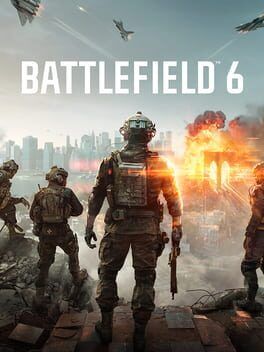
DICE’s quiet removal of Battlefield 6’s Wicked Grin skin is more than just a cosmetic tweak. It exposes the series’ ongoing struggle to balance realism, live-service monetization, and what Battlefield fans actually want from a modern military shooter.
Battlefield has always sold itself on the fantasy of boots-on-the-ground military realism. Not sim-level realism, but enough authenticity that the chaos of jets screaming overhead and tanks rolling through craters feels grounded in a believable warzone.
That promise is exactly why Battlefield 6’s Wicked Grin cosmetic, and its quiet removal, hit such a nerve.
What Wicked Grin Was, And Why It Blew Up
Wicked Grin started as a premium soldier skin variant tied to Battlefield 6’s Season 1 cosmetics. On paper it was just another outfit: a NATO assault operator with a bright, saturated blue look and a stylized mask painted with a wide grin.
In practice it was impossible to miss. The color grading made the operator look less like a soldier and more like a character from a hero shooter. Screenshots and clips flooded social media with players calling it the “blue Crayola” or “clown” skin. The criticism wasn’t subtle. It wasn’t just that the skin was loud, it was that it looked like something from a completely different game.
For a live-service shooter, a loud cosmetic is usually a win. For Battlefield, which had spent months reassuring fans that Battlefield 6 would deliver “grounded, realistic” customization after the tonal whiplash of Battlefield 2042, it felt like a broken promise.
DICE’s Silent Removal And What It Signals
Instead of defending the design, DICE quietly pulled Wicked Grin from the in-game store and loadout menus with no splashy announcement. Players simply noticed it was gone, then began comparing notes across regions to confirm it had been removed or hidden globally.
The timing matters. The removal came days after another contentious cosmetic, the more sci‑fi leaning System Override skin, had already been reworked following similar pushback about clashing with Battlefield’s grounded tone. In close succession, that reads less like a one-off reaction and more like a course correction.
By acting without a big PR statement, DICE avoided reigniting the controversy for players who might never have seen the skin in the first place. But the quiet approach also underlines how sensitive the studio is to Battlefield’s identity right now. After 2042’s loud, meme-prone cosmetics drew heavy fire, DICE went into Battlefield 6 promising a return to authenticity. A neon-adjacent operator in a game marketed on gritty realism was always going to be a pressure point.
Realism As A Brand Pillar, Not Just A Visual Style
The Wicked Grin fallout only makes sense if you understand how strongly long‑time fans link Battlefield’s value to realism. The series has always been more cinematic than simulation-heavy, but its tone has typically skewed serious. Even when things get chaotic with collapsing skyscrapers or tornadoes, there is a consistent military framing that keeps the fantasy coherent.
Cosmetics exist inside that framework. In Battlefield 6’s pre-launch messaging, DICE repeatedly highlighted that its skins would be “grounded,” with designs rooted in believable gear, camouflage, and regional military aesthetics. When players see a saturated, toy-like blue soldier with a painted smile, the response isn’t just “this looks goofy,” it is “this doesn’t belong in Battlefield at all.”
That expectation is partly aesthetic and partly about what kind of stories players want to tell in this sandbox. A squad doing a nighttime infiltration across a war-torn California map loses some of its weight when one member looks like they fell out of an arcade hero shooter. For those players, immersion and self-serious tone are part of the value they paid for.
The Monetization Tension: Flashy Sells, Grounded Reassures
From a pure live-service business perspective, Wicked Grin made sense. Bright, readable skins are easy to recognize in killcams and on social feeds, which helps sell more bundles. Call of Duty has proven how profitable over-the-top cosmetics can be, from anime rifles to superhero crossovers.
The catch is that Battlefield’s audience has historically rejected that direction. Battlefield 2042’s Santa-style “Father Winter” skin and other highly stylized cosmetics were met with the same kind of backlash that Wicked Grin is now getting in Battlefield 6. DICE and EA pivoted messaging after that uproar, telling fans that Battlefield 6 would lean back into authenticity and that cosmetics would not undermine the game’s tone.
Wicked Grin is a clear example of that monetization-versus-brand tension. On one side are revenue pressures to keep the store feeling fresh, distinct, and social media ready. On the other are players who want cosmetics that fit a believable military setting and who are willing to call out anything that strays too far.
By pulling the skin quickly, DICE effectively chose the brand over the short-term earning potential of a loud cosmetic. That suggests the studio sees greater long-term risk in eroding Battlefield’s identity than in missing a few weeks’ worth of sales on a controversial design.
The Shadow Of AI Art And Industrialization
Layered over this debate about tone is a growing unease over how modern shooters create and ship cosmetics at scale. Around the same time as the Wicked Grin controversy, fans began dissecting Battlefield 6 key art and promotional images, claiming they showed telltale signs of AI-generated assets, similar to the discussion happening around recent Call of Duty art.
Whether every accusation is correct matters less than the sentiment behind it. Players increasingly feel like cosmetic design is being industrialized. Instead of a small team hand-crafting fewer, thematically cohesive looks, they suspect automated tools are helping churn out dozens of variations, some of which feel disconnected from the game’s identity.
If a skin already reads as out of place, any hint that it might have been generated or iterated on with AI tools just deepens the sense that Battlefield is being bent to fit a broader live-service content treadmill rather than an artistic vision. Wicked Grin, with its almost plastic-blue color palette and exaggerated mask, slotted neatly into that fear.
Cosmetic controversies then stop being about one skin and start becoming a referendum on how the game is being made.
Learning From Battlefield’s Own History
Battlefield 6 is not the first time DICE has stumbled over cosmetics. Battlefield V had the Great War fashion debate, with players arguing that certain character designs and face paints went too far for a World War II setting. Battlefield 2042 followed with the Father Winter backlash and more general discontent over how some operators looked and quipped in-game.
The throughline is simple. Every time Battlefield leans too hard into spectacle or humor in its skins, sections of the community push back, citing a mismatch with the series’ traditionally serious tone. Every time that happens, DICE eventually reassures players that it has heard them, then trims or reworks the most egregious content.
Wicked Grin fits this pattern perfectly. What is different this time is the speed and discretion of the response. Rather than months of arguing and a late apology, the skin was quietly removed within days, and other out-of-step cosmetics were quickly adjusted. That suggests the team has internalized at least one lesson: Battlefield’s cosmetic experiments need to be carefully tested against the audience’s expectations, not just against market trends.
Where Battlefield 6 Could Go From Here
If DICE wants to avoid repeating this cycle, Battlefield 6 needs a clearer cosmetic philosophy that is communicated to players and adhered to internally.
One path is to double down on grounded realism across the board. That would mean hard rules around color saturation, silhouette readability, and gear authenticity, even if it limits how visually distinct premium skins can be. The selling point then becomes craftsmanship and subtle detail rather than loudness.
Another path is compartmentalization. DICE could keep the main modes and core playlists visually grounded while reserving any wilder cosmetics for limited-time events, non-canon modes, or clearly labeled “fantasy” playlists. This gives monetization teams room to experiment without contaminating the core Battlefield fantasy that most fans care about.
More transparency around creation practices would also help, especially as AI art tools creep further into asset pipelines. If players are worried that cosmetics are being churned out by machines, clear communication about how concept art is sourced, reviewed, and approved could rebuild confidence. Saying “this is hand-designed to fit Battlefield’s world” matters when your audience is primed to read anything garish as a quick cash grab.
What Wicked Grin Really Tells Us
The quiet death of Wicked Grin is not just about one skin that was too bright for its own good. It is a data point in a larger story about what Battlefield wants to be in an era where the biggest shooters treat their worlds as theme parks filled with collaborations and meme-worthy skins.
Battlefield’s strength has always been its ability to sell a particular kind of war fantasy: chaotic, spectacular, but still anchored in some version of reality. Each time a cosmetic steps outside that frame, the community reacts as though the contract has been broken. Each time DICE walks one of those cosmetics back, it reinforces that there is still a line the studio is not willing to cross.
Wicked Grin shows that, at least for now, Battlefield 6 is still trying to stand on the side of grounded realism, even as the pressures of live-service monetization push it in louder, more colorful directions. How DICE navigates that tension in future seasons will do more to define Battlefield 6’s legacy than any single skin ever could.