
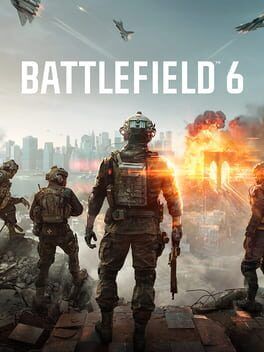

Breaking down Battlefield 6 Season 3’s roadmap, from remade classic maps and returning weapons to Obliteration, the new casual battle royale mode, and how EA is using nostalgia to rebuild long-term engagement.
Season 3 At A Glance
Battlefield 6’s Season 3 roadmap is a clear statement of intent. After a rocky launch and a year of incremental fixes, EA and DICE are leaning hard on the series’ past to secure its future. Across three updates – Warlords: Supremacy, Blastpoint, and High-Value Target – Season 3 layers remade classic maps, returning fan‑favorite weapons, and the long‑requested Obliteration mode on top of a maturing battle royale ecosystem.
It is the most overtly nostalgic Battlefield season in years, but it is also structured to keep you logging in with ranked ladders, rotating events, and a new low‑pressure battle royale playlist that feels designed to pull lapsed players back into the fold.
Phase One: Warlords Brings Back The Old Arsenal
Season 3 opens with Warlords: Supremacy, which focuses on bolstering the core multiplayer sandbox and setting the tone for the nostalgia hit that follows.
The weapon pool is where veterans will feel it first. The M16A4 returns as a burst‑fire centerpiece, a rifle that immediately calls back to Battlefield 3 and 4’s mid‑range duels. It is joined by the RPK‑74M, a classic light machine gun that favors sustained fire and lane control, and the L115 sniper rifle, a bolt‑action icon that Battlefield snipers have been asking to see again since the game launched.
These weapons are not simple copy‑pastes. Attachments like Burst Mode, Aftermarket Buffer, and new compensators let you push each gun in different directions, while Subsonic Ammo and Cryogenic Barrels hint at a deeper meta where stealth and recoil management matter more than raw damage. It is nostalgia expressed through modern systems: familiar silhouettes and recoil patterns with the flexibility today’s progression‑driven shooters demand.
Underneath all of that are smaller tweaks aimed at keeping players invested over dozens of hours instead of a weekend. The Speed Holster makes swapping to a sidearm more viable, opening up clutch pistol plays, and the Handheld Jammer pushes the gadget meta toward information denial and counter‑recon, a space Battlefield 4’s best squads already occupied a decade ago.
Phase Two: Blastpoint And The Classic Map Revival
The middle of the season is where the roadmap leans fully into its retro pitch. Blastpoint is the update that brings the battlefield itself in line with longtime players’ memories.
Railway to Golmud is the clear headliner. A modern take on Battlefield 4’s Golmud Railway, it is billed as Battlefield 6’s largest map yet. Long, exposed lanes give armor and long‑range snipers room to work, while scattered villages and rail yards create pockets of brutal infantry fighting. If you played the original, you already know how quickly a quiet flank can become a tank graveyard once C4 and guided missiles start flying. The new version adds more verticality and cover without losing that huge, rolling front line feeling.
Cairo Bazaar offers the opposite experience. It is a close‑quarters reinterpretation of Battlefield 3’s Grand Bazaar, with tight alleyways, overlapping sightlines, and enough side streets to keep flanks constantly in play. Vehicle access is limited and channeled, which tilts the map toward infantry squads trading grenades, smokes, and shotgun blasts in cramped objectives. It is the kind of design that rewards rhythm: quick respawns, fast pushes, and constant repositioning.
By choosing these particular maps, DICE is tapping into two pillars of the series’ identity. Golmud represents the large‑scale, vehicle‑driven warfare that made Battlefield stand apart from other shooters. Bazaar is the tight, infantry‑first brawl that kept players grinding unlocks long after launch. Modernized art, lighting, and cover placements keep them feeling fresh, but the layout beats are unmistakably old school.
Obliteration Returns, With A Tactical Twist
Obliteration might be the single most important nostalgia play in Season 3. First introduced in Battlefield 4, it quickly became a cult favorite because it mixed conquest scale with clear, bomb‑centric objectives. Two teams fight over a neutral bomb, race to plant it on enemy M‑COM stations, and try to defend long enough for the detonation. The bomb carrier becomes the focal point for the entire lobby, which naturally produces those classic Battlefield stories of last‑second dives, rocket‑launched transport vehicles, and smoke‑screened escapes.
Season 3 brings back the full mode, tuned for Battlefield 6’s movement and destruction, but it also debuts Tactical Obliteration. This new 8v8 variant trims away the chaos and focuses on tight squad coordination. With fewer players on each side, every death matters more, communication is mandatory, and objective control becomes a game of small, decisive pushes instead of brute force.
That split is smart from an engagement standpoint. Standard Obliteration supports big lobbies and highlights Battlefield’s trademark spectacle, perfect for casual squads and large parties. Tactical Obliteration, on the other hand, fits neatly into the game’s competitive aspirations, giving clans and premade squads a structured mode that rewards practice and strategy. Both recycle the same nostalgic ruleset, but they appeal to different player motivations.
REDSEC, Ranked BR, And A New Casual Battle Royale
Alongside traditional multiplayer, Battlefield 6’s REDSEC battle royale continues to evolve in Season 3. Most of the headline changes are squeezed into the bookends of the roadmap: Ranked Battle Royale early in the season, then Casual Battle Royale during the High‑Value Target update.
Ranked Battle Royale is the hardcore hook. It takes the existing BR ruleset and layers on visible ranks, seasonal rewards, and stricter matchmaking. For veterans of Apex or Warzone, it is a familiar structure: push up ladders, chase cosmetics tied to your highest rank, and come back week after week to avoid decay or climb higher. For Battlefield 6 specifically, it gives REDSEC a clearer identity as a legitimate long‑tail competitive mode instead of a side experiment.
Casual Battle Royale is pointed in the opposite direction. It introduces a lower pressure playlist that blends players with bots, eases up on matchmaking, and is explicitly pitched as a place to practice, warm up, or play with friends who are new to the game. That is a notable change in philosophy. Instead of assuming everyone wants sweaty, fully human lobbies, EA is building a softer on‑ramp that acknowledges how intimidating traditional BRs can be.
In practice, this should do two things for engagement. First, it widens the funnel for newcomers, who can learn rotations, weapon behavior, and late‑circle pacing without being farmed by high‑skill squads. Second, it offers regular players a place to experiment with new guns and gadgets without sacrificing ranked MMR. Sitting these two playlists side by side signals that EA wants REDSEC to accommodate different skill levels and moods, not just its most dedicated grinders.
Events, Gear, And The Slow Grind Of Retention
Beyond the headline features, Season 3 layers in a steady drip of events and unlocks that are clearly tuned around long‑term retention rather than short bursts of activity.
The Explosive Charge and Wet Work events in REDSEC are good examples. Each comes with a themed ruleset and limited time challenges that reward cosmetics and gear for both battle royale and traditional multiplayer. By hosting them in specific phases of the season, DICE avoids the dead weeks that plagued earlier updates while giving lapsed players obvious moments to jump back in.
A similar logic informs the gadget rollout. The Handheld Jammer, new shotgun ammunition types like #00 Buckshot, and the PP‑19 event weapon all push players to revisit loadouts and experiment. Even the EOD Bot Arm melee weapon, a novelty on the surface, nudges players back into objective play and repair duties by tying a flashy unlock to a support‑oriented role.
From a systems perspective, this is textbook live‑service design: spread content across the calendar, stagger unlocks, and use nostalgia as the initial draw. What makes Season 3 a bit more interesting is how those systems are anchored by content that already has emotional weight for the community.
EA’s Nostalgia Strategy And The Road To Stability
Underneath every map remake and weapon callback is a bigger strategic question: can Battlefield 6 rebuild long‑term trust using its own history as a foundation?
The Season 3 roadmap suggests EA believes the answer is yes, but only if nostalgia is backed by modern structure. Classic content like Railway to Golmud, Cairo Bazaar, the M16A4, and Obliteration gives longtime fans a reason to pay attention again. At the same time, ranked ladders, casual playlists, and a dense schedule of events provide the framework that contemporary live‑service shooters need to survive beyond the honeymoon phase.
There is also an element of course correction here. Earlier seasons pushed more experimental ideas and original maps that did not always line up with what the Battlefield audience actually wanted. Season 3, by contrast, is almost conservative in its pitch. It signals that EA and DICE are listening, that they are willing to prioritize requests like Obliteration and server‑friendly, large‑scale maps over riskier design swings.
Whether that will be enough to secure Battlefield 6 a long life alongside its competitors is still an open question. But as a single season of content, this roadmap feels cohesive in a way previous ones did not. It offers veterans a familiar battlefield to come home to, gives new players safer spaces to learn, and stitches both together with a structure that encourages you to stick around past the first weekend.
If Battlefield 6 is going to find its footing as a modern live‑service shooter, Season 3 is the clearest sign yet of how EA intends to get there.