
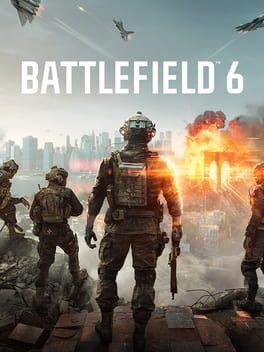

Breaking down Battlefield 6 Season 3’s High-Value Target update, its Call of Duty: Ghosts-inspired Wet Work contracts, community reaction, and how DICE is tackling gunplay and balance issues heading into Season 4.
Battlefield 6 is closing out Season 3 with its most experimental update yet. The High-Value Target patch, arriving alongside the Wet Work event, adds a new contract-style mechanic that many players immediately recognized from one very specific place: Call of Duty: Ghosts.
Rather than dropping another specialist or map, DICE is using this final phase of the season to shake up pacing, reward risk-taking, and quietly address several of the community’s biggest complaints around gunplay, vehicles, and overall match flow.
What actually is the High-Value Target update?
High-Value Target is the name DICE is giving to the final chapter of Season 3. Structurally, it is a mid-season refresh that bundles a few key elements: the limited-time Wet Work event, tweaks to existing modes like Tactical Obliteration, and a round of balance and quality-of-life changes to weapons, vehicles, and UI.
Instead of forcing players into a brand new playlist, the core twist arrives through match-specific contracts that can appear during regular play. These contracts flag one squad or player as a high-value target, putting a bounty on their head and offering team-wide rewards if you can eliminate or defend them. The goal is to inject spontaneous objectives into standard matches without rewriting the rulebook.
DICE is pitching this as a way to reward aggressive, objective-minded squads and to create flashpoints of action that sit on top of Conquest, Breakthrough, and Tactical Obliteration rather than replacing them.
Wet Work contracts and the Ghosts connection
The Wet Work event is where the new mechanic goes all in. During this limited-time playlist, contracts are at the center of every match. Briefcase-style pickups or on-screen prompts assign short objectives, often tied to a specific player or squad. Complete the objective and you earn a burst of rewards, from XP and cosmetic progress to temporary advantages that can swing a single engagement.
If this sounds familiar to Call of Duty veterans, it should. The system mirrors Call of Duty: Ghosts’ old Field Orders, where a briefcase dropped from a fallen enemy would task you with a mini-challenge. Succeed and you were paid off with bonuses that could turn the tide of a life or a round.
In Battlefield 6’s take, the focus skews more toward teamplay than solo heroics. Contracts are woven into the squad system and Battlefield’s larger map design, often encouraging coordinated pushes on contested sectors or stacking pressure on a player who is already having a strong match. It is a clear nod to Ghosts, but it is framed through Battlefield’s obsession with large-scale chaos and vehicle play.
How the new mechanic changes match flow
On paper, Wet Work contracts and High-Value Targets seem like a simple add-on. In practice, they reshape how squads move and when they choose to commit to fights.
When a player becomes a high-value target, their position and status instantly become a mini-drama inside the match. Teammates are incentivized to escort or shelter them, often pulling armor and support vehicles away from longer-term objectives to respond to the immediate threat. Enemy squads, meanwhile, have a concrete incentive to break off from a stagnant front line and hunt.
This pull toward temporary flashpoints answers one of the recurring criticisms leveled at Battlefield 6 since launch: that matches can devolve into static, long-range trading with little reason to reposition. Contracts break that stasis by putting a clock on specific engagements, something Battlefield has traditionally avoided but increasingly experimented with through RedSec and seasonal events.
Crucially, the system is temporary and limited to the event window. DICE seems to be using Wet Work as a test bed to see how far Battlefield can lean into reactive PvE-style mini-objectives without losing its identity as a sandbox shooter.
Community reaction: cautious interest and Ghosts jokes
The moment the mechanic was revealed, community discussion split along predictable lines. Longtime Battlefield players who already feel the series has drifted too close to Call of Duty saw the Ghosts parallels as yet another step away from the franchise’s roots. Threads calling Battlefield 6 a “CoD clone” have been running since launch, and the Wet Work contracts became fresh ammunition.
At the same time, many players have welcomed anything that meaningfully changes how people move around the map. Early reactions from hands-on previews and creator breakdowns highlight how contracts create short-lived hotspots that feel closer to Battlefield’s best emergent moments, but with a bit more structure.
There is also an undercurrent of nostalgia. For all the criticism Ghosts took in its day, a portion of the FPS community remembers Field Orders as one of the game’s few genuinely fun ideas. Seeing Battlefield 6 of all games revive that concept has led to plenty of lighthearted memes and side-by-side comparisons across social media.
The dividing line largely comes down to execution. If contracts remain a limited, opt-in layer that supplements objectives, players are more forgiving. If they start to feel mandatory or overpowered, the perception that Battlefield 6 is chasing trends rather than setting them will harden further.
Addressing long-running gameplay complaints
Underneath the headline-grabbing Ghosts comparison, the High-Value Target update also continues DICE’s slower, more methodical work on core gameplay. Community updates around Season 3’s final phase outline coming changes to gunplay, vehicles, and UI responsiveness.
On the gunplay side, the studio is tightening recoil patterns and damage falloff on several popular rifles and marksman weapons. Early feedback has knocked Battlefield 6 for inconsistent hit registration and weapons feeling either laser-precise or useless beyond mid-range. The Season 3 finale aims to compress that gap so that more weapons sit in a viable middle ground instead of living at the extremes.
Vehicles are another pressure point. Fast respawns and overbearing aerial dominance have been frequent complaints, especially in larger Conquest lobbies. The incoming patch adjusts vehicle health and countermeasure cooldowns, and slightly lengthens respawn timers on certain armored units. The intent is clear: keep vehicles powerful and central to the fantasy of Battlefield, but prevent them from snowballing matches where one side gains early control of armor and air.
User experience changes round out the patch, with clearer contract tracking, more readable kill logs, and cleaner HUD indicators for high-value targets. Battlefield 6 launched with a busy UI that often buried critical information. Each season has chipped away at that noise, and the High-Value Target update continues that iterative process rather than reinventing the interface.
How DICE is using events to test the future of Battlefield 6
Looking at the pattern from Season 1 to Season 3, a strategy emerges. Instead of shipping radical overhauls as permanent features, DICE is introducing bold experiments through limited-time modes and events, then rolling the most successful pieces into the core game.
RedSec’s battle royale-style contracts, Escalation’s shifting capture points, and now Wet Work’s Ghosts-style contracts all point in the same direction. DICE is searching for ways to keep Battlefield’s large-scale warfare feeling fresh without abandoning the series’ emphasis on squads, vehicles, and sandbox chaos.
The community’s mixed reaction to RedSec was a clear warning shot. Players do not want to feel forced into separate modes just to progress a paid battle pass, nor do they want Battlefield to mirror Warzone’s exact systems. With High-Value Target, DICE is trying a more integrated approach, using contracts as a spice in existing modes rather than a separate ecosystem.
How players respond over the course of the Wet Work event will likely shape what Season 4 looks like. If contracts are embraced as a fun opt-in challenge, expect to see a refined version return as a playlist modifier or recurring event. If they are rejected as too intrusive or too derivative, DICE will probably scale them back to smaller, more experimental spaces.
What this means heading into Season 4
Season 3’s finale is less about raw content drops and more about future-proofing Battlefield 6. The Ghosts-inspired contracts attract attention, but the deeper story is DICE using this moment to smooth gunplay, rein in vehicles, and probe how much reactive, moment-to-moment direction players actually want in a Battlefield match.
If the High-Value Target update hits the right balance, Battlefield 6 could head into Season 4 with a clearer identity: still chaotic and vehicle-driven, but with smarter incentives that pull squads into meaningful fights instead of endless, directionless trading across the map.
If not, the conversation around Battlefield 6’s identity crisis will only get louder. For now, Wet Work is an intriguing, if controversial, bet that borrowing one of Ghosts’ few good ideas might help Battlefield rediscover what makes its own large-scale warfare feel unforgettable.