
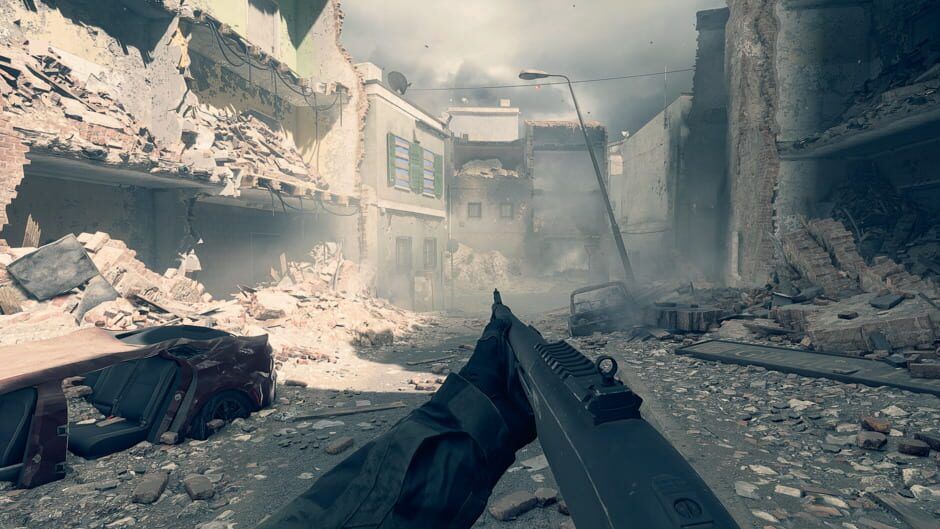

A deep dive into Battlefield 6’s latest netcode and hit registration update, early community feedback, and what it all means for the Winter Offensive event and competitive play.
Battlefield lives or dies on whether bullets land where you expect them to. With its latest update, Battlefield 6 is finally taking a hard swing at the series’ most persistent complaint: unreliable hit registration and frustrating netcode. This patch arrives just ahead of the Winter Offensive update, and it is not a minor tuning pass. It is a foundational change in how the game interprets your shots, your damage, and the chaos happening on screen.
What Actually Changed In Battlefield 6’s Netcode
The patch targets the core places where players were losing trust in the game’s gunplay: shots that looked dead-on but did nothing, enemies who seemed to sponge bullets, and the sensation that firefights played out differently on the server than on your monitor.
First, there are deep changes to hit registration itself. The server now does a better job of aligning bullet trajectories with what the client shows in fast-paced situations. This is most noticeable in close to mid range gunfights where you are snapping in and out of ADS or stutter-stepping around cover. Before this update, shots fired during the transition into zoom or while aggressively strafe-peeking could sometimes go missing or feel like they connected without triggering damage. The new logic narrows the gap between the animation you see and the hitbox the server is tracking.
High-density combat is another specific focus. When multiple squads collide in tight spaces or when objectives become meat grinders, the game was more likely to drop or mis-evaluate packets related to projectile tracking. The update refines how the server prioritizes combat data when a lot of players, explosives and destructible objects are all competing for bandwidth. In practice, this should reduce the number of times you get a killcam that shows you clearly landing shots that apparently never mattered.
Alongside pure registration, there are improvements to how damage information travels and is displayed. Health changes now update more quickly, damage indicators are clearer, and hit markers sync more reliably with the server’s version of events. None of this changes the underlying time to kill on its own, but it drastically affects how trustworthy the game feels. If the UI is slow or misleading, players assume netcode is failing even when the math is technically correct. DICE is clearly trying to close that psychological gap.
The patch also tackles a particularly aggravating issue related to destruction and cover. In some cases, a wall or piece of cover would appear intact on your client even though the server already considered it destroyed. That led to situations where you thought you were safely tucked behind solid geometry while the enemy saw only rubble and a clean line of sight. From your perspective, bullets looked like they were phasing through solid walls. The update syncs destruction states more aggressively and reduces the window where the client and server disagree about what is still standing on the map.
These netcode and registration fixes land alongside a package of balance changes. Soldier visibility has been tuned so that targets are a bit easier to track without feeling like glowing silhouettes. Weapon handling has been adjusted, with particular attention to first shot accuracy and recoil behavior, which indirectly supports better perceived hit registration. When your weapon kicks in a more predictable way and the game is more faithful about where bullets go, it becomes much easier to build mechanical consistency.
How It Feels In Real Matches
In live lobbies, the most immediate difference is how consistent close quarters duels feel. Tracking a sprinting target across a doorway or breaking into ADS as you swing a corner now lines up more closely with the damage you deal. The classic Battlefield scenario where both players dump half a magazine and then trade confused death stares on the killcam is noticeably less frequent.
Another subtle but important change is the reduction of “ghost” hitmarkers. Previously, players would sometimes see clear hit confirmation with no visible effect on the opponent’s health bar, then die a moment later to what felt like a single bullet. With cleaner damage replication and quicker health updates, the feedback loop from crosshair placement to kill is tighter. You still lose fights when you are outplayed, but it is easier to understand why.
In crowded objective modes, such as Breakthrough chokes or dense Rush lanes, the game handles overlapping combat a bit more gracefully. The update does not magically erase all the problems that come from 64 or more players throwing explosives into a single corridor, but it does tone down the most egregious moments where your bullets seem to vanish into the server abyss. When you commit to a peek under heavy fire, you are more likely to get a result that matches what your screen showed.
The destruction sync fix may be the quiet hero of the patch. The number of times you are deleted behind what looks like intact cover drops significantly once both sides agree on whether that wall is still there. It will not end every confusing death, but it removes one of the most immersion-breaking edge cases that players reliably identified as proof that the netcode was flawed.
Community Reaction So Far
Initial community feedback is cautiously optimistic. Across social channels and early Reddit threads, players are reporting that the gunplay feels tighter and more honest. Many long-time fans point out that they can finally trust tap-firing and burst-firing again, especially on weapons that previously felt unreliable at mid range.
There are still skeptics. Some players in higher latency regions say that while the patch helps, it does not fully resolve long peekers’ advantage scenarios or that familiar Battlefield sensation where you die behind cover after sliding to safety on your screen. Others note that large scale fights can still feel inconsistent when server performance dips, and there are scattered reports of edge cases where hit registration seems worse on very high tickrate servers when packet loss spikes.
The core sentiment, though, is that this feels like a real attempt to listen to the game’s most vocal criticism instead of just nudging numbers. Threads that once revolved around “this game’s netcode is broken” are shifting toward more granular questions about weapon balance and map design. When players start arguing about whether a certain assault rifle’s first shot multiplier is fair, it usually means they trust the layer underneath it enough to care about details.
What It Means For The Winter Offensive Update
The timing of this netcode overhaul is not a coincidence. The upcoming Winter Offensive update will push more players into limited time modes, condensed objectives and curated playlists that stress test the combat experience. If those modes launched on the previous networking setup, they would likely amplify every hit registration complaint and drown out whatever new content was added on top.
With the new patch in place, DICE is clearly aiming to ensure that Winter Offensive is judged on its map flow, mode design and reward structure rather than basic mechanical reliability. Better hit registration and damage feedback mean that new weapons introduced for the event should be easier to evaluate and balance. If a gun feels too strong or too weak, data and player perception will be more closely aligned, accelerating balance passes throughout the event’s lifecycle.
The update also sets expectations for how aggressively the studio plans to iterate. Framing this as the first big netcode step before a seasonal milestone signals that more network tuning could arrive during or shortly after Winter Offensive. If any new modes create server load patterns that reveal fresh edge cases, players should expect follow-up patches that target those specific pain points rather than broad, opaque “stability improvements.”
Impact On Competitive And High Level Play
For competitive players and organized communities, this patch is less about feel and more about trust. Scrims, ladders and custom tournaments succeed only if both teams believe the server is an impartial referee. When hit registration is inconsistent, every clutch moment becomes suspect and every close map loss can be written off as netcode luck.
More consistent bullet alignment and faster damage replication directly benefit high level play. Players who invest time into practicing recoil patterns, headshot angles and jiggle peeks will see more reliable returns on that effort. The reduction in ghost hits and misaligned destruction states also lowers the number of rounds that feel tainted by forces outside anyone’s control.
That does not mean competitive play is suddenly problem free. Battlefield’s scale and reliance on large lobbies still introduce variables that tighter arena shooters do not have to manage. Long peekers’ advantage and high ping abuse will always be harder to fully eliminate in a game with massive maps, vehicles and complex destruction. For now, organizers will still prefer to host events on well performing servers with region-locked participants, but they at least gain a more predictable baseline.
In the short term, expect competitive players to stress test specific angles and engagements to see how far they can push the new netcode. Positions that were previously written off as desync traps may become viable again, while some aggressive peeking styles that relied on exploiting latency could lose their edge. As teams adapt, the meta around weapon selection, attachment choices and preferred engagement ranges is likely to shift.
Setting Realistic Expectations
This update is not a magic cure for everything players dislike about Battlefield 6. Latency will always exist, complex destruction will always introduce synchronization challenges and large scale modes will occasionally push servers to their limits. There will still be deaths that feel unfair and clips that look suspicious when replayed in slow motion.
What the patch does represent is a critical step toward a more consistent foundation. When you take a fight, you are more likely to get an outcome that matches where you put your crosshair, regardless of whether you win or lose. That consistency is what allows balance tuning, map iteration and competitive formats to actually matter.
As Winter Offensive approaches, players should expect more stable firefights, clearer feedback in the moment, and fewer obvious cases where the game’s networking layer betrays the fantasy of high tech combined arms warfare. The real test will come when the event drops and the servers are packed. If the current improvements hold under that strain, this patch could mark the turning point where Battlefield 6 finally earns back the trust of the fans who care most about every bullet.