
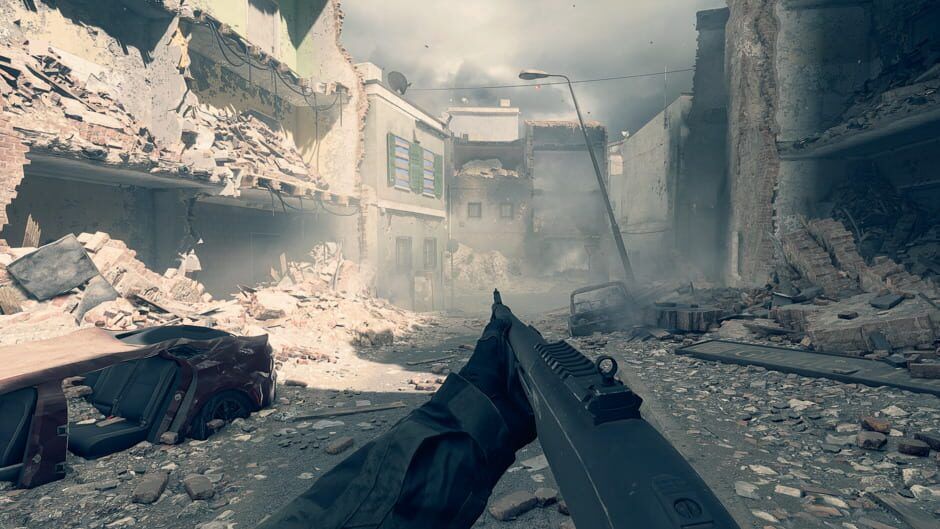
Battlefield 6’s June 30 update is the series’ biggest gunplay rework in years, leaning into Battlefield 4‑style long range fights, predictable recoil, and long‑requested community features. Here’s what is changing, why it matters, and how it will actually feel in‑game.
Battlefield 6 is about to feel like a very different shooter.
With the June 30 Season 3 High‑Value Target update, DICE is shipping a full pass on the way guns behave, especially at medium and long range. The studio is explicitly chasing the feel of Battlefield 4, and pairing those changes with the kind of quality‑of‑life tweaks veteran players have been asking for since launch.
This is not a balance patch that nudges numbers by a few percent. It is a structural rework of recoil, bullet behavior, and time‑to‑kill, built on months of Battlefield Labs testing and a long list of community complaints.
Aiming to feel more like Battlefield 4 at range
Across Eurogamer’s report and EA’s own gunplay blog, the through‑line is clear: DICE wants ranged gunfights to reward control and intention rather than dice rolls.
The core goal is to make each weapon archetype claim a clear lane. Submachine guns are being pulled firmly into close‑quarters dominance, light machine guns are being pushed toward lane‑holding and suppression, and assault rifles are meant to sit in the flexible mid‑range role that made BF4’s M416‑style builds so iconic.
To get there, the studio is revisiting how bullets behave once they leave the barrel. Muzzle velocities and damage drop‑off profiles are being retuned so that engaging someone 80 to 120 meters away feels closer to BF4’s slow, deliberate tap and burst meta. Automatic fire at those distances should technically be possible, but inefficient. The idea is that if you win a long‑range duel, it is because you spaced your shots and managed your recoil, not because the game quietly smoothed out your misses.
That philosophy is backed by a sweeping reduction in random bullet deviation. One of the most consistent complaints around Battlefield 6’s launch was that even when you did everything right, bullets would sometimes sail wide for no obvious reason, especially during extended bursts. The upcoming patch cuts down that unpredictability and makes weapons track along more consistent patterns, particularly when you are disciplined with your fire.
Recoil that is harsher on paper, friendlier in practice
The most immediate change players will notice is recoil. According to EA’s own combat blog and early coverage, nearly every automatic gun in the sandbox has had its recoil profile reauthored.
On paper, many guns will kick more than they used to, especially past the first few bullets. In practice, the key difference is that the recoil is now built around readable, per‑weapon patterns instead of a loose mix of kick and deviation.
The first bullets in a string are intended to be more consistent. That benefits tap‑firing and short bursts across the entire weapon roster. If you are feathering the trigger on an assault rifle at mid range, you should land more of your shots than before, provided you keep your crosshair in check.
As you hold the trigger down, the gun will climb and sway in ways that are specific to that weapon. Heavy LMGs might drag you upward and slightly to one side, while compact rifles settle into a gentler vertical climb. The goal is not to remove recoil, but to make it something you can learn and master. In theory, the more time you invest into a specific gun, the more you can pre‑aim into its pattern.
DICE is also emphasizing a smoother transition into aim‑down‑sights. Part of the gunplay pass touches the feel of snapping into ADS, firing the first shot, and then riding the recoil, rather than just the spray itself. The studio talks in terms of "gunplay depth" rather than raw accuracy, which suggests they are trying to give high‑skill players more to do without making casual play miserable.
Long‑range fights: pacing shots instead of holding mouse1
One of the reasons BF4’s gunplay still gets praised is how it treated distance. Past a certain range, it stopped being sensible to hold full auto, and you had to play a mini‑game of timing and rhythm.
Battlefield 6 is consciously walking back toward that design.
The coming update tweaks muzzle velocities alongside recoil and dispersion so that long‑range tracking is more demanding. Bullets will still reach their target, but you are expected to work for it by:
- Pacing your shots instead of dumping mags
- Adjusting for a gun’s natural climb between bursts
- Respecting the effective range of your weapon class
Eurogamer’s breakdown notes that submachine guns should feel clearly out of their depth when you try to stretch them into long‑range duels. Light machine guns, conversely, should own the space where suppression and sustained fire matter more than surgical precision. Assault rifles sit between these extremes, echoing the old BF4 meta where a well‑handled AR could win fights from close buildings out to modest sightlines, but not effortlessly laser players hundreds of meters away.
Snipers and designated marksman rifles benefit indirectly. When automatic rifles can no longer comfortably spam players across a valley, the traditional long‑range tools get more room to breathe. That shift should make classic Battlefield map flows feel more familiar, with dedicated long‑range players locking down angles and assault‑focused squads pushing up under cover.
Community‑requested changes finally land
On top of the raw shooting feel, the coming patch also folds in a few long‑requested improvements that frame the new gunplay.
The headline feature from PC Gamer’s coverage is the full server browser. For years, Battlefield fans have argued that a browser is core to the series identity, letting players chase specific map and mode combinations, or stick with a reliable community server. Battlefield 6 launched without a traditional browser and leaned hard on matchmaking. With this update, a proper browser joins the Labs and official playlists, making it easier to find lobbies that match the gunplay experience you want, from sweaty conquest marathons to more relaxed casual servers.
That change pairs neatly with the new gunfeel. Mastering recoil patterns and long‑range pacing makes a lot more sense when you can reliably return to similar server conditions, rather than bouncing between inconsistent, short‑lived matchmaking sessions.
Elsewhere, EA’s combat blog talks about targeted adjustments to damage multipliers and time‑to‑kill. The community has been vocal about edge cases where enemies could apparently tank headshots or shrug off accurate bursts. The new tuning aims to clamp down on those moments by making damage outcomes more consistent with what your crosshair is doing. When you land center‑mass shots in the intended range band for your gun, you should see predictable results.
Although aim assist specifics are not the headline in the coverage, the overall direction fits what controller players have been asking for since launch: less feeling like the game is fighting your intention, more feeling like it is accurately reflecting your inputs.
What this means for the meta
In practical terms, the Battlefield 6 meta is likely to shift in a few key ways after the patch lands.
First, broad "laser beam" builds for assault rifles and LMGs will probably lose some of their all‑purpose dominance. Recoil that ramps up more aggressively during sustained fire will punish mindless spraying and encourage builds that lean into controlled bursts.
Second, class and role identity should become more pronounced. SMGs and carbines earn their keep when clearing rooms and fighting through choke points, not when trying to tap enemies across the map. LMG‑focused support players will find more value in establishing sightlines and maintaining suppressive fire around objectives.
Third, individual weapon mastery will matter more. With deviation toned down and patterns dialed up, there is more payoff to sticking with a favorite gun. Longterm players who invest in learning a rifle’s kick will start to separate from the pack in ways that feel earned, rather than arbitrary.
Finally, squad coordination should get a gentle bump. When long‑range spray is less reliable, pushing between cover, calling crossfires, and rotating roles within the squad matter more. That sort of soft, emergent teamwork is where Battlefield has always looked strongest compared to more rigidly structured shooters.
A late, but promising, course correction
If there is a theme to Battlefield 6’s Year 2 so far, it is humility. EA’s own messaging around the patch describes “revisiting your initial vision” and being willing to change it in response to how the game actually plays over time.
Gunplay has always carried outsized weight in Battlefield’s reputation. Map reworks, new modes, and seasonal content all help, but if the act of firing a gun feels off, no amount of surface‑level updates will fix the perception.
By explicitly chasing Battlefield 4’s strengths in long‑range engagements, trimming random deviation, and delivering the long‑awaited server browser alongside a deeper TTK pass, DICE is making a clear statement that it understands where the friction has been.
How successful the overhaul is will depend on what happens after June 30. Predictable recoil patterns invite competitive optimization, and there will almost certainly be outlier guns that rise to the top. The important part is that those conversations will be about how players aim, move, and build their loadouts, not about whether the bullets are doing something invisible under the hood.
For now, the message is simple: if you bounced off Battlefield 6 because the shooting felt floaty or unfair, the next update might be the best reason yet to reinstall and give its firefights another chance.