
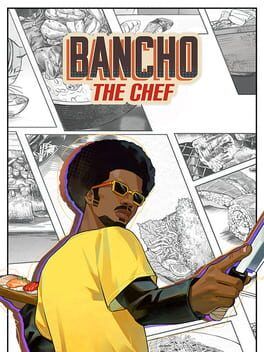

A deep dive into Bancho the Chef’s tactile DualSense tricks, layered cooking systems, and how this PS5 prequel widens the Dave the Diver universe.
Bancho the Chef is Mintrocket finally admitting what every Dave the Diver fan already knew: Bancho was always the main character.
Set in 2004, nineteen years before Dave ever belly‑flopped into the Blue Hole, this PS5 and PC prequel rewinds to a younger, hungrier Bancho and asks a simple question. What if the best part of Dave the Diver, the frantic late‑night sushi rush, became the entire game?
The answer is a cooking‑driven RPG that leans hard on DualSense tricks, folds in Mintrocket’s usual genre stew of mini games and side stories, and quietly fills in the gaps of how a stern workaholic chef became the calm anchor of Dave’s chaotic ocean expeditions.
From side character to roaming culinary protagonist
Where Dave the Diver split your time between diving and restaurant management, Bancho the Chef is about the craft itself. Bancho leaves the comfort of his future sushi bar behind and hits the road across Japan, Korea, China, and other parts of Asia, chasing legendary regional techniques and trying to build a reputation from scratch.
Structurally it sounds closer to a restaurant road trip than a static management sim. Each region has its own restaurant, its own clientele, and its own culinary master whose approval you need to earn. You are not just repeating a single evening loop in one sushi joint. You are effectively rebooting your kitchen from city to city, learning new ingredients, plating styles, and challenge types as you go.
That framework does more than justify new biomes and dishes. It turns Bancho’s origin story into a literal progression path. When you unlock a new region or technique, you are also watching this gruff perfectionist become the world‑class chef you meet in Dave the Diver.
Cooking as the core gameplay loop
Crucially, Bancho the Chef moves the focus from serving to cooking. Dave the Diver treated the sushi counter like a fast‑paced management minigame. Bancho’s prequel zooms the camera into the kitchen itself and makes each step of the recipe a discrete, mechanical interaction.
Orders still come in under time pressure, but the stress now lives in the sequence of actions. A single dish can ask you to slice ingredients with precise timing, control pan temperature, flip and plate at the right moment, then rush the finished meal to a waiting customer. Miss a step and the dish loses quality, which hits both your payout and your reputation in the current region.
That structure naturally creates the same escalating panic that made Dave’s dinner rushes so good, but with a different flavor. Instead of juggling where you send staff or which menu items to prioritize, you are locked into the intimate details of a single plate, trying not to ruin a cut of fish while three more tickets print behind you.
Progression hinges on mastering these routines. Completing requests for locals, nailing special orders, and impressing regional masters unlocks better ingredients, new recipes, and expanded restaurant layouts. It is an RPG where your skill tree looks more like a battered recipe book than a stat screen.
DualSense: turning kitchen work into tactile play
Mintrocket is very clear about one thing. On PS5, DualSense is not a garnish. It is the main course.
Bancho the Chef is built around the assumption that you feel the difference between gently scoring salmon and hacking through frozen meat. Haptic feedback, adaptive triggers, the speaker, gyro, and even the touchpad are all drafted into kitchen duty.
During prep, slicing sequences use haptics to mimic the blade catching on bone or gliding through fresh fish. Light resistance in the triggers pairs with small, precise vibrations for fine cuts, then ramps up as you rush or botch the motion. It is the sort of feedback loop that could make perfect prep feel almost meditative in early stages, before the orders ramp up.
Handling eggs is where Mintrocket gets theatrical. Cracking an egg tightens the adaptive trigger until you feel the shell about to give, then releases with a sharp click from both the trigger and the controller speaker as it breaks. It is exaggeration for effect, but that kind of sensory punch is what makes DualSense integrations memorable rather than invisible.
The touchpad pulls double duty for messier work. Dishwashing and scrubbing use broad, circular swipes and taps to clear plates, accompanied by sloshing audio from the controller. It is mundane in concept, yet fits Mintrocket’s habit of turning chores into oddly satisfying little vignettes.
Gyro control rounds it out for actions that feel better with motion. Tilting to pour soup without spilling, angling pans to baste, or flicking your wrists to flip ingredients out of a wok all suit the controller’s strengths. Combined with the 3D presentation of sizzling oil and rising steam, Bancho’s kitchen aims to feel almost physically noisy in your hands.
The big question is whether this tactile layering will remain readable once the game starts stacking multiple inputs at once. Dave the Diver thrived because its many systems stayed legible. If Mintrocket nails that same clarity with DualSense, Bancho the Chef could easily become one of those showcase "feel this" titles you hand a controller to friends for.
A deeper, more hands‑on cooking system
Mechanically, Bancho the Chef is not just a series of quick‑time events. Underneath the input flourishes sits a more granular cooking model than Dave ever needed.
Each step in a recipe matters. Ingredient freshness, cut quality, cook time, and plating speed all layer into a final dish score that feeds back into your restaurant’s reputation and Bancho’s personal growth. A perfectly seared piece of fish with sloppy knife work will not impress a regional master. Likewise, cutting everything to perfection means little if you burn it at the pan.
Recipes themselves feel more like modular puzzles than static prompts. As Bancho travels between countries, he learns both new dishes and new techniques that can slot into older recipes. Mastering a Chinese stir‑fry or a Korean barbecue cut might unlock alternate cooking paths for Japanese staples later in the game. That in turn encourages replaying older menus with an upgraded toolkit, chasing elusive three‑star ratings or impressing VIP guests.
The RPG progression system binds it together. Instead of raising abstract stats, you are often investing in workflow and specialization. Faster prep on certain cuts, more precise temperature control, or extended plating windows all subtly change how a night’s service feels under pressure. Bancho is not becoming a wizard with higher damage numbers. He is a chef shaving seconds off each motion.
Side activities help reset the pace. Fishing makes a return, this time reframed as sourcing your own ingredients rather than deep‑sea monster hunts. Petting cats sits at the opposite end of the spectrum, a tiny emotive beat that echoes Dave the Diver’s fondness for cozy downtime amid frenetic loops.
3D presentation that worships food
The shift from pixel art to full 3D is more than a visual flex. Dave the Diver made sushi look delicious through suggestion and clever animation. Bancho the Chef is about texture.
Oil spits from pans, smoke curls from grills, and the surface of broths and sauces picks up subtle lighting changes as you tilt the pot using gyro controls. Fried batter looks crisp instead of merely golden. Fatty cuts of tuna and marbled beef are rendered with a sheen that makes every mistake sting more, because you can see exactly what you just ruined.
This fidelity is not only there for screenshots. It supports the mechanical focus on precision. When a game asks you to time a flip by eye, you need to read how edges brown or how bubbles rise in batter. Mintrocket’s move to 3D is specifically about giving you that information clearly, so that the fancy DualSense flourishes always sit on top of readable visual cues.
Stitching Bancho into the wider Dave the Diver universe
As a prequel, Bancho the Chef has the obvious job of showing you how Bancho became the rock of composure we know from Dave the Diver. But it also has a subtler task. It needs to make this expanded universe feel like a place that exists when Dave is not tumbling into the Blue Hole.
Cross‑regional travel hints at how widely Bancho’s reputation eventually spreads. Side characters and rival chefs are natural candidates for future cameos or name drops in later Dave projects. Even smaller details like ingredient suppliers, fishing spots, and regional restaurant chains can serve as connective tissue, letting Mintrocket seed little nods for fans to pick up on.
Tonally, Bancho the Chef looks set to keep the lightly absurd, warm sense of humor that defined Dave the Diver, just filtered through a more grounded lens. Where Dave’s world bent around mysterious underwater ruins and sea monsters, Bancho’s conflicts are about harsh mentors, grueling training, and learning to balance pride with hospitality.
If Mintrocket pulls that off, Bancho’s journey should re‑contextualize moments in Dave the Diver. Serving a particular dish in Dave might feel different once you have struggled through the prequel’s brutal early training that taught Bancho how to make it.
Why Bancho the Chef matters
On paper, Bancho the Chef could have been a safe spin‑off, a smaller side project carried by a beloved character. The early details suggest something more ambitious. Mintrocket is using this prequel to test a fully tactile, DualSense‑driven approach to cooking, to see how far it can push its love of genre mixing inside a single kitchen, and to prove that the Dave the Diver universe can stand up even when Dave himself is nowhere in sight.
If the studio can keep its trademark variety without diluting the clarity of its mechanics, Bancho the Chef has a shot at doing for cooking games on PS5 what Dave the Diver did for hybrid indie adventures. At the very least, it should make every future sushi run with Dave feel richer, knowing exactly how much sweat and scorched oil went into the stern nod behind the counter.