
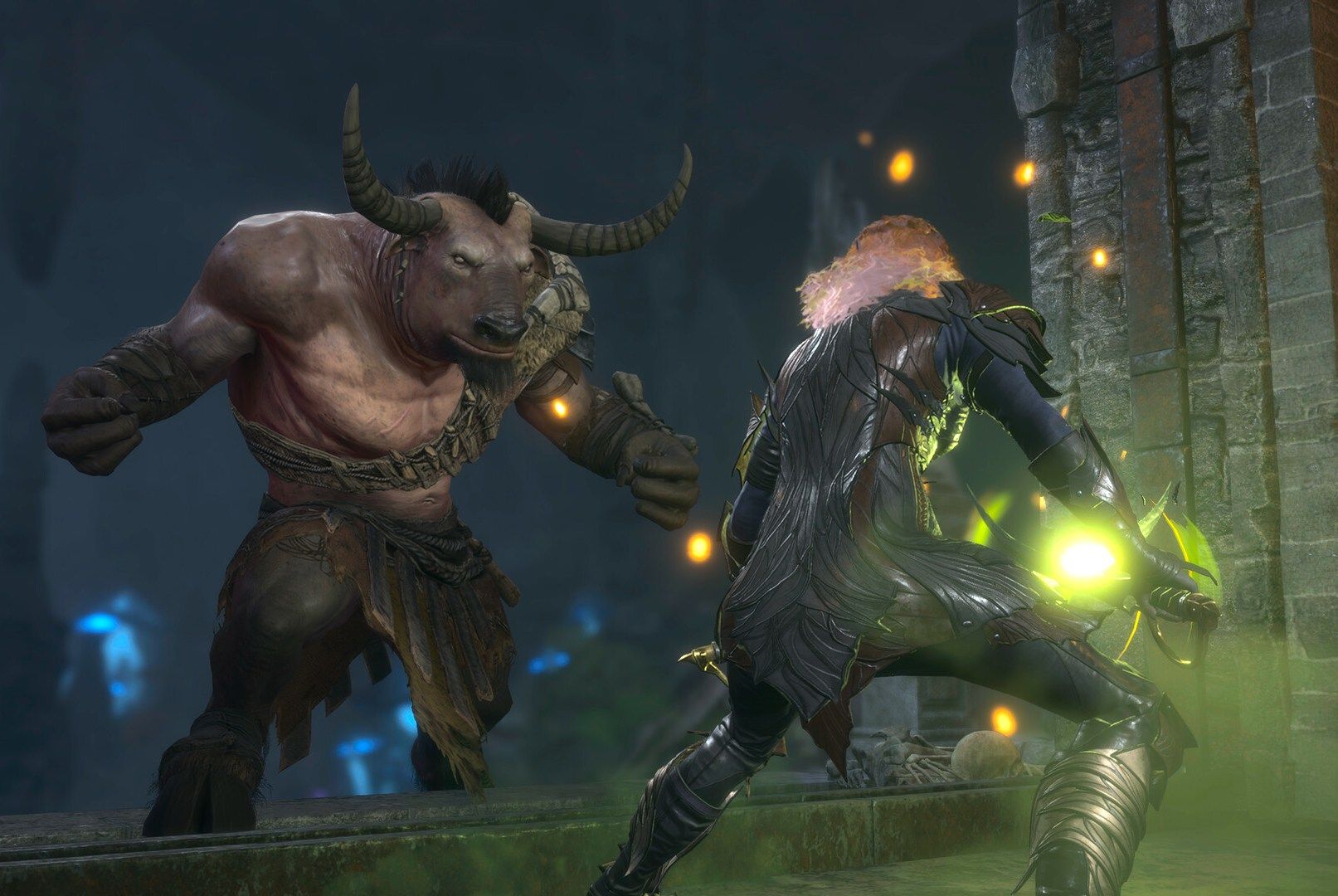
Larian's latest Baldur's Gate 3 player data turns up 9,008 portrait aspect ratio players, huge NPC death totals, and a bleak surprise for Alfira.
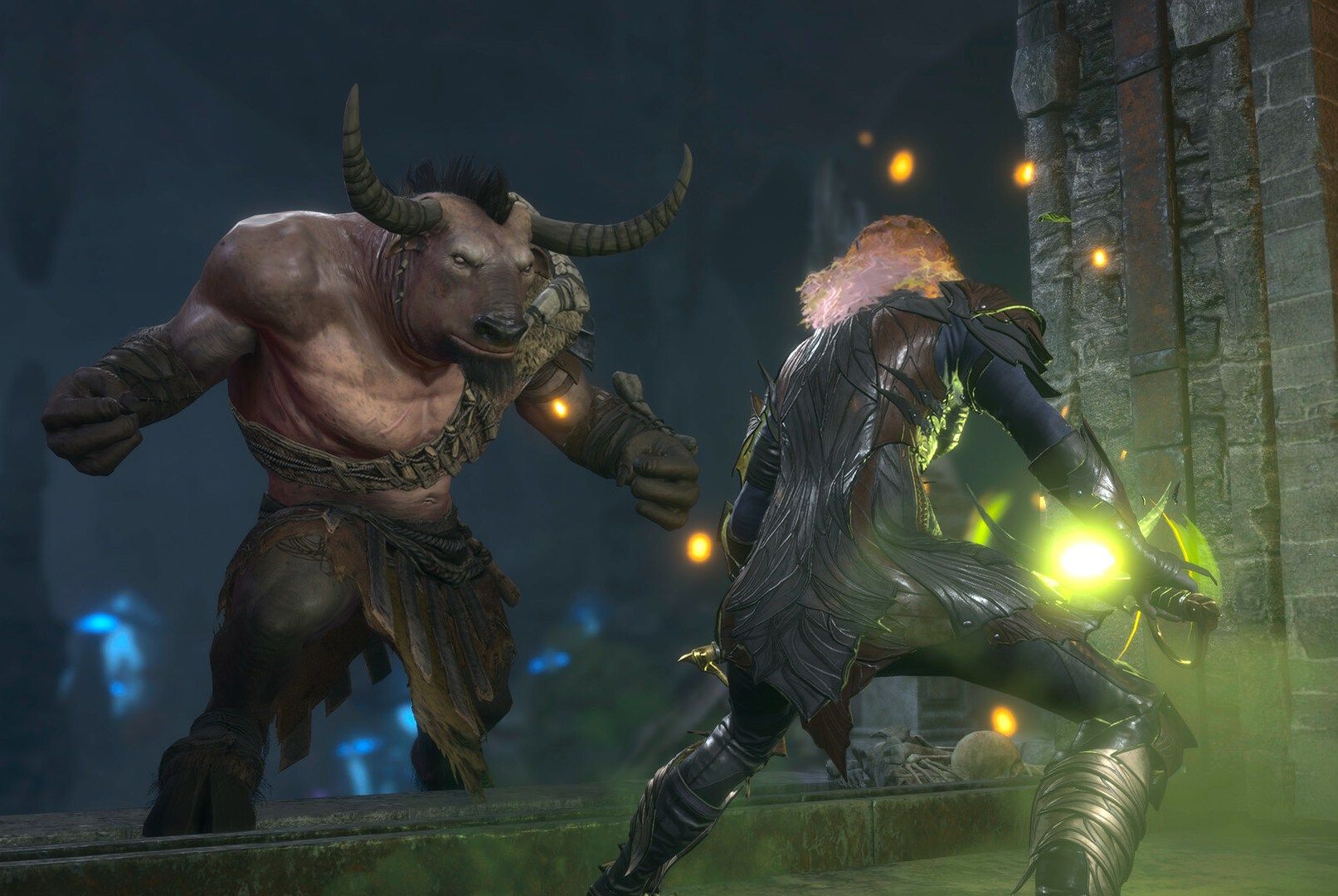
Image: theverge.com
Larian’s strangest anniversary number is vertical
Larian Studios’ latest Baldur’s Gate 3 stats include plenty of blood, but the first number that stops the eye is a technical oddity: according to the player data shared by Larian and reported by Rock Paper Shotgun, 9,008 people have played Baldur’s Gate 3 in a 9:16 portrait aspect ratio. Another 114 played in 1:1, a perfect square.
That is a strange fit for a party-based RPG built around dense combat arenas, dialogue framing, inventory management, tooltips, spell ranges, and a combat log that already competes for space on a normal display. It also makes the data feel unusually personal. A dead NPC can be explained by a failed quest, a bad initiative roll, or a player choosing the darkest available option. A portrait monitor playthrough is harder to file away as ordinary RPG chaos.
The Baldur’s Gate 3 portrait monitor stat came from the same new wave of Larian Baldur’s Gate 3 player data that outlets including Rock Paper Shotgun, Polygon, Kotaku, TheGamer, DualShockers, and PC Gamer covered after Larian posted the figures on social channels for the game’s third birthday. Taken together, the numbers show a community still finding weird edges in a game many players have already dissected for hundreds of hours. They also show where the game’s systems allow intent, accident, negligence, and experimentation to blur together.
Portrait mode is confirmed, the motive is not
The confirmed part is simple: Larian’s data says 9,008 players used 9:16 and 114 used 1:1. The motive is not confirmed by the sources. Rock Paper Shotgun speculated that some of the 9:16 players may have used a second monitor already set vertically, while Kotaku floated the possibility of vertical capture for content creation. Those are plausible explanations, but they remain interpretation rather than something Larian has attributed to players.
The portrait figure is funny because Baldur’s Gate 3 is full of systems that benefit from width. Combat wants room for initiative order, hotbars, enemy positions, elevation, surfaces, and party status. Dialogue scenes want room for companions and environmental context. Exploration frequently asks the player to scan a wide space for traps, interactable objects, ledges, ladders, and suspiciously placed barrels. A tall frame can theoretically suit some isometric navigation, especially when moving north and south through a map, but it fights the game’s information density elsewhere.
The 1:1 group is even smaller, with only 114 players reported. That number is too tiny to support sweeping conclusions, but it is another reminder that PC players will test any boundary the settings menu permits. Baldur’s Gate 3 is famous for accommodating strange role-play decisions. Larian’s aspect-ratio data suggests some players are also role-playing as display-format archivists, vertical-video experimenters, or people who simply refused to rotate a monitor back into landscape.
The death chart is less random than it first looks
The harshest character decisions in Larian’s new data are easiest to see in the story NPC death totals. According to figures reported by Polygon, TheGamer, DualShockers, and other outlets covering Larian’s anniversary posts, Zevlor leads the list with 12.31 million deaths. Rolan follows with 8.62 million, Isobel with 7.20 million, Volo with 4.62 million, Barcus Wroot with 2.66 million, and Alfira with 2.62 million.
Those Baldur’s Gate 3 stats look brutal, but TheGamer correctly notes that these totals should not be read as direct murder counts in every case. Some story NPCs can die because players miss a rescue, fail to intervene at the right moment, trigger a hostile sequence, or let a fight spiral out of control. Zevlor and Rolan, for example, are tied to situations where player attention and quest follow-through can matter. The data records outcomes, not courtroom-grade motive.
Even with that caveat, the list tells a familiar Baldur’s Gate 3 story: the game does not reserve consequence for major bosses or endgame choices. Side characters are threaded through acts, camp interactions, settlement conflicts, and rescue chains. A player who thinks they are leaving one area for later may discover that later never arrives. Larian’s death totals turn those design pressures into a community-wide ledger.
Alfira is where the data gets uncomfortable
The most pointed Baldur’s Gate 3 Alfira stats are not the raw total of 2.62 million deaths. The sharper figure is Larian’s claim, relayed by multiple outlets, that more non-Dark Urge players have murdered Alfira than Dark Urge players.
That distinction matters because Alfira is strongly associated with the Dark Urge origin. In a Dark Urge run, her appearance at camp and subsequent death are used to establish the character’s relationship to violence and compulsion. TheGamer describes her as one of the Dark Urge’s first victims and notes that players have discovered ways to avoid that specific outcome. Polygon reported that Alfira died in 48% of Dark Urge runs. MSN’s version of the same stat frames the 48% differently, saying Dark Urge runs account for only 48% of her kills. The provided reports agree on the larger point, however: ordinary, non-Dark Urge characters collectively killed Alfira more often than the origin built around murderous impulses.
That is the cruel joke hidden inside the data. The Dark Urge gives players a narrative excuse, or at least a narrative framework, for an atrocity. Non-Dark Urge Alfira deaths do not carry that same built-in premise. Some may come from chaotic experiments, hostile camp behavior, failed encounters, or players testing the limits of a reactive world. The statistics do not say why each Alfira died. They do say that the community’s harshest choices cannot be pinned neatly on Bhaalspawn role-play.
Barcus, Volo, and the comedy of preventable disaster
Barcus Wroot’s 2.66 million deaths sit near Alfira’s total, but his data has a more slapstick edge. DualShockers reported Larian’s note that 2.1 million of Barcus’ deaths were tied to the windmill incident in the Blighted Village. TheGamer similarly says around 80% of Barcus deaths were related to that moment. The exact joke is familiar to many players: a rescue scenario becomes a physics lesson when the wrong lever, timing, or intent sends Barcus flying.
Volo’s 4.62 million deaths are stranger in a different way. Larian’s own commentary, quoted by DualShockers, wondered what Volo did to deserve that fate. Volo is reckless enough to make survival feel like an ongoing negotiation, but the number is still high for a character whose value often comes through camp presence, odd services, and comic relief. Again, the stat does not tell us whether players killed him deliberately, lost him through consequences, or created a situation that turned lethal.
This is the central caution when reading Larian’s Baldur’s Gate 3 player data: the game’s systemic reactivity makes a death count richer and messier than a morality poll. A single NPC death may reflect malice, curiosity, failed tactics, a missed quest trigger, or a player who reloaded five minutes later. Larian’s figures are most useful when read as pressure points in the RPG’s design, showing where beloved characters are most exposed to player freedom.
The non-lethal stats are just as revealing
Larian’s latest data also tracks the edges of play that have nothing to do with NPC mercy. Polygon reported that Baldur’s Gate 3 mod downloads have reached 500 million, up from 265 million in a previous Larian figure cited by the outlet. That is one of the clearest signs that the game’s long tail is now being driven heavily by customization, challenge variants, cosmetic changes, and community-made tools.
The sillier edge cases are smaller but memorable. Polygon reported that the Poo-Scraper was used only four times in combat in Act 3, while Kotaku described the same figure as four players using the poop-knife weapon in battle during that act. Rock Paper Shotgun also highlighted Larian’s stat that less than 1% of players managed to acquire all 180,000 gold in a single playthrough. That gold figure says something different from the kill counts: completionist play in Baldur’s Gate 3 is not simply a matter of finishing every visible quest. It can mean wringing value out of vendors, containers, rewards, theft, and late-game economies across an enormous campaign.
The save data points to another kind of player anxiety. Rock Paper Shotgun reported that a small handful of players made more than 1,400 quicksaves in a single playthrough, while Polygon cited Larian data about a handful of players manually saving over 560 times. Those are different reported save behaviors, so they should not be collapsed into one number. Together, though, they sketch a familiar RPG habit: when choices branch hard and dice rolls can derail a plan, some players build their own safety net one save file at a time.
How to use the stats before your next run
For returning players, the practical lesson is not that everyone should become gentler, although Alfira might appreciate it. It is that Baldur’s Gate 3 keeps punishing autopilot. If you care about Zevlor, Rolan, Isobel, Barcus, Volo, or Alfira, treat their quest states as fragile. Follow up on rescues when the game signals urgency. Read levers before pulling them. Assume that leaving an act can close doors. If you are playing Dark Urge and want a specific outcome for Alfira, consult a dedicated route before committing, because the provided sources note both her Dark Urge association and the existence of ways players have avoided that camp outcome.
For new players, these stats are also a useful expectation check. Baldur’s Gate 3 is widely available on PlayStation 5, Windows PC, and Xbox Series X according to Polygon’s availability note, and the same report cites GamesIndustry.biz saying more than 20 million players have purchased and played it. The anniversary numbers show why people keep returning: the campaign is large enough that even a third-birthday data dump can surface portrait-monitor players, square-screen experiments, ultra-save-scummers, rare weapon usage, and millions of divergent NPC outcomes.
The strangest takeaway is that the technical oddities and the moral ones come from the same design philosophy. Larian built an RPG that records what players actually do, whether that means rotating the frame into 9:16, hoarding a kingdom’s worth of gold, saving before every breath, or killing a bard the Dark Urge was supposed to have the worst reputation around. The data is funny because the choices are funny. It lingers because many of those choices were avoidable.