
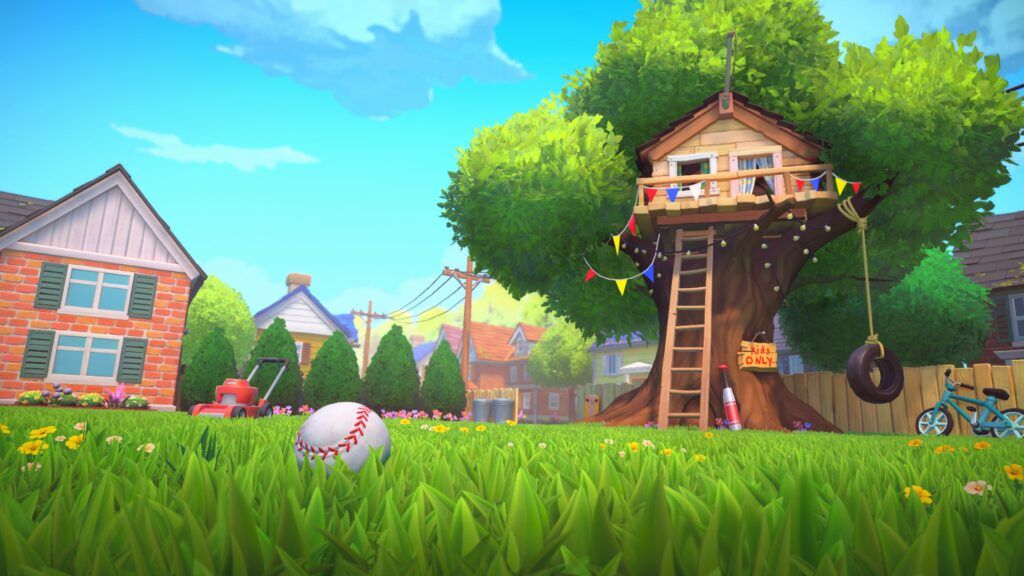

A player-first guide to Backyard Baseball 2026 stadiums, including the known ballpark list, the best parks for hitters, pitchers, chaos plays, and casual league fun.
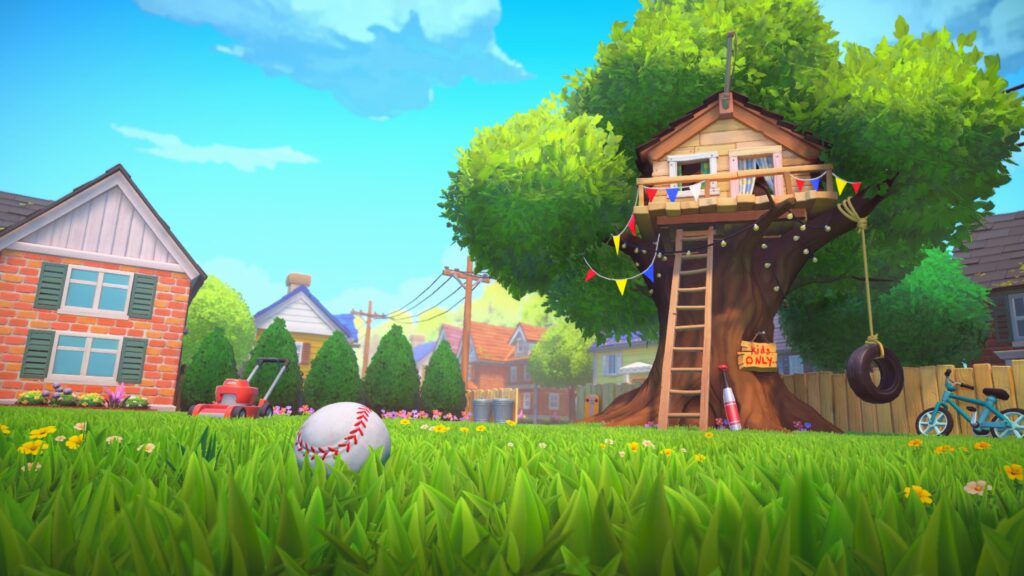
Image: yelzkizi.org
The stadium list is bigger than the menu first lets on
Backyard Baseball 2026 launches with 11 remastered ballparks, but players do not see the full set immediately. Operation Sports reports that 11 stadiums are playable at launch, while only 10 had been identified in its guide because some parks are locked behind progression. That makes the Backyard Baseball 2026 stadiums conversation a little different from a normal sports game venue list: the best park for your team may be one you have to earn first.
The 10 known stadiums listed by Operation Sports are Steele Stadium, Playground Commons, Cement Gardens, Tin Can Alley, Sandy Flats, Eckman Acres, Parks Dept. Field No. 2, Dirt Yards, Big City Stadium, and Super Colossal Dome. The same report identifies Playground Commons as the default stadium. Sports Illustrated separately says all 11 ballparks received a makeover in the new game, but the available source material does not name the final locked stadium.
That gap matters for a guide because the game’s park selection is tied to progression rather than being a fully open sandbox from the first inning. If you are searching for all stadiums Backyard Baseball 2026 has available, the honest answer is that 10 are publicly named in the provided reporting, one more is confirmed by multiple reports as part of the launch package, and its identity remains unconfirmed in the source material here.
How to think about ballparks in this version
The best Backyard Baseball 2026 ballparks depend on what kind of game you are trying to create. Operation Sports separates several parks by play profile: Steele Stadium for balanced all-around baseball, Tin Can Alley for limiting home runs, Eckman Acres for power hitting, and Big City Stadium for a Little League-style feel. Those labels are especially useful because this reboot’s on-field balance is already producing divided reactions.
IGN’s review-in-progress, based on 10 hours with the game, argues that hitting is easier than in the Backyard Baseball ’97 re-release and says its results often became home runs or line-drive singles. IGN also criticizes pitching impact and fielding reactions, saying routine defensive plays can turn into errors, overthrows, and collisions. Sports Illustrated, by contrast, describes the new game as a successful modern return and praises its classic feel, while also reporting that Playground Productions CEO Lindsay Barnett confirmed there are no microtransactions and that the $39.99 purchase includes updates, bonuses, and unlockables earned through play.
For stadium choice, that split suggests a practical approach. If you already feel the offense is too hot, pick a park that suppresses home runs. If you want the most arcade-friendly version of Backyard Baseball, lean into smaller or cleaner power parks. If you are introducing a younger player or jumping into league mode casually, use a park with familiar presentation and fewer strategic surprises.
Best Backyard Baseball 2026 stadium for balanced games: Steele Stadium
Steele Stadium is the safest recommendation for most players because Operation Sports calls it the best all-around stadium and notes that it is arguably the most recognized park in the franchise. That combination matters in Backyard Baseball 2026 because this is a reboot built around nostalgia and updated play, not a simulation package with published wall distances, park factors, or wind data.
For league mode, balanced is valuable. Sports Illustrated says league mode includes difficulty selection and notes that the highest difficulty, Backyard Legend, is unlocked by winning a championship in league mode. If your goal is to build a team, evaluate your roster, and avoid having the park dominate every outcome, Steele Stadium is the cleanest pick among the sourced recommendations.
It also fits the series’ tone. A familiar field can make the new timing, hitting, and fielding changes easier to judge because you are not also adjusting to an extreme park identity. If a line drive drops in, a homer clears the fence, or a fielder reacts late, Steele Stadium is the best place to ask whether that was your roster, your input, or the game’s current balance.
Best stadium for hitters: Eckman Acres
Eckman Acres is the clear hitter-friendly pick from the known list. Operation Sports identifies it as one of the best parks for home runs because the field tends to be smaller and does not have large outfield obstacles. In a game where IGN reports that offense can already feel powerful, Eckman Acres is the park for players who want that arcade baseball energy turned up.
That makes it a strong choice for quick fun, younger players, or anyone building a roster around power. If you are trying to stack a lineup and chase big innings, a smaller field without major outfield blockers is the most direct stadium advantage described in the source material. It should also make sense for casual multiplayer sessions where the goal is spectacle rather than grinding out pitcher’s counts.
The tradeoff is obvious: if the game’s current hitting model feels too forgiving to you, Eckman Acres may exaggerate that feeling. IGN’s criticism that too many players go deep gives this park a risk profile. It can be a blast when you want fireworks, but it may be the wrong venue if you are trying to test whether your pitcher can carry a close game.
Best stadium for pitchers: Tin Can Alley
Tin Can Alley is the top pick for players trying to keep the ball in the yard. Operation Sports says the buildings in its outfield make it very difficult to hit home runs there, which gives pitchers the clearest park-based help among the known Backyard Baseball 2026 stadiums.
That is useful because pitching appears to be one of the reboot’s pressure points. IGN says the new pitching timing mechanic adds a welcome skill element, but also argues that pitching well often feels unrewarded because the CPU still finds hits frequently. In that context, Tin Can Alley becomes a practical counterweight. It cannot make fielders faster, and the source material does not say it reduces singles or errors, but it does address the most punishing outcome: the automatic crooked-number swing of a home run.
If you are playing on a higher difficulty or trying to survive with a weaker pitching staff, Tin Can Alley is the park to circle once it is available. It is also a smart choice for players who want longer innings to be decided by defense and baserunning rather than repeated shots over the wall.
Best stadiums for casual fun and visual flavor
Big City Stadium is the best pick if you want the game to feel closest to organized youth baseball. Operation Sports says it comes closest to playing in a real Little League stadium and praises its aesthetics. That makes it a strong casual recommendation, especially for players coming to Backyard Baseball 2026 as a family game or a nostalgia purchase rather than a competitive project.
Playground Commons also deserves attention because it is the default stadium, according to Operation Sports. Default parks in sports games usually become the first place players learn timing, camera reads, and defensive movement. The source material does not give Playground Commons a specific hitter or pitcher label, so it should be treated less as a ranked specialist venue and more as the baseline park for learning the reboot’s feel.
The remaining known parks, Cement Gardens, Sandy Flats, Parks Dept. Field No. 2, Dirt Yards, and Super Colossal Dome, are confirmed as part of the known stadium list from Operation Sports, but the provided source text does not supply enough field-behavior detail to rank them responsibly by power, pitching, or chaos potential. Sandy Flats is described by Operation Sports as one of the famous returning parks, and several of these names carry the backyard personality returning players expect, but any deeper competitive ranking would need direct testing or developer-provided park data.
Which park should you pick first?
If you want one recommendation, start with Steele Stadium. It is the sourced all-around choice, it has franchise recognition, and it gives you a better read on the reboot’s updated mechanics before you start chasing extreme outcomes. For power, move to Eckman Acres. For pitcher protection, use Tin Can Alley. For a polished youth-baseball vibe, pick Big City Stadium. For learning the game from scratch, Playground Commons is the natural starting point because it is the default.
Players waiting on platforms should also note the release situation. The Game Haus reports that Backyard Baseball 2026 launched first on Steam for PC and Mac on July 9, 2026, with PlayStation and Xbox listings showing August 18, 2026, while Nintendo Switch is confirmed under a Summer 2026 window. The official Backyard Baseball site says the game is available now on Steam and invites console players to select a platform and leave an email for console news.
Because stadiums unlock through progression, the smartest Backyard Baseball guide advice is to match your park to your mode. In league mode, choose stability until your roster has an identity. In casual games, choose the park that creates the mood you want. In tougher matchups, use the field as a roster tool: protect shaky pitching at Tin Can Alley, reward sluggers at Eckman Acres, and use Steele Stadium when you want the result to feel least distorted by the venue.